BAFTA Issues Unreserved Apology Over Racial Slur Incident at Live Awards Show
BAFTA has apologised 'unreservedly' following the broadcast of a racial slur during this year's live awards ceremony, with an independent review uncovering 'weaknesses' in the event's preparations. The incident occurred in February when John Davidson, a campaigner with Tourette's syndrome, involuntarily shouted the N-word during the film and television awards.
Incident Details and Immediate Fallout
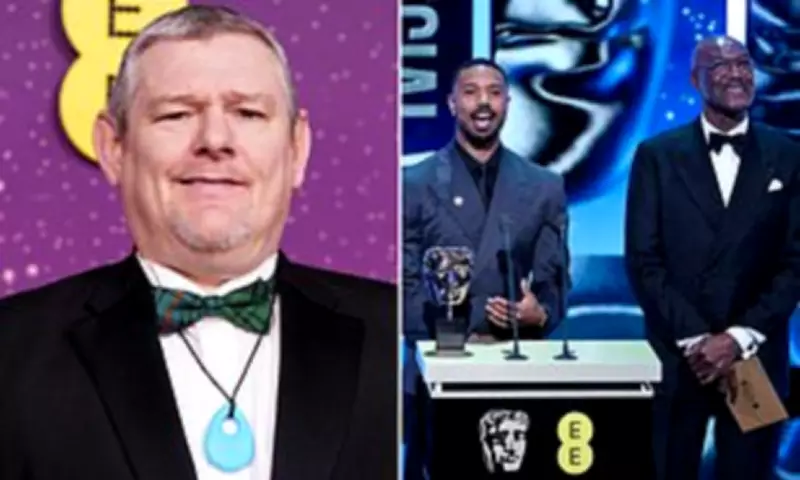
Black actors Michael B Jordan and Delroy Lindo, stars of the 2025 horror film Sinners, were onstage presenting the award for special visual effects at the time of the outburst. The slur was triggered by Mr Davidson's neurological condition, which can cause involuntary expletives or offensive language. In a statement released on Friday, BAFTA's board of trustees apologised to both the black and disabled communities, noting that the moment led to 'unfair judgement' for people with disabilities.
The academy commissioned an independent review by consultancy firm RISE Associates, which examined 'what happened and what must change'. The report found 'a number of structural weaknesses' in BAFTA's planning, escalation procedures, and crisis coordination arrangements. However, it did not find evidence of malicious intent among those involved in delivering the event.

BAFTA's Response and Action Plan
BAFTA's statement expressed deep regret: 'We apologise unreservedly to the Black community, for whom the racist language used carries real pain, brutality, and trauma; to the disability community, including people with Tourette Syndrome, for whom this incident has led to unfair judgement, stigma, and distress; and to all our members, guests at the ceremony and those watching at home.'
The review highlighted that BAFTA's planning and processes have not kept pace with its diversity and inclusion goals. The organisation admitted it did not adequately anticipate or prepare for such an incident in a live event environment, resulting in a failure in its duty of care.
Work is already underway to address the review's recommendations, focusing on three key areas:
- Improving escalation processes and information sharing chains for awards ceremonies.
- Strengthening planning for access, inclusion, and support at events with an intersectional approach.
- Addressing internal cultural gaps or lack of knowledge to better meet diversity, equity, and inclusion commitments.
BBC's Role and Apology
The BBC, which broadcast the event, also apologised for failing to edit out the involuntary outburst. The slur was audible on the iPlayer version for approximately 12 hours before removal. An investigation by the broadcaster found it breached editorial standards, with apologies sent to both actors onstage and Mr Davidson.
Mr Davidson criticised the BBC for sending its written apology via a third party, stating: 'The stress and upset I have had to endure has been shocking.' He added that the BBC failed to grasp the full human impact of its broadcast decisions. A BBC spokesperson explained they did not have direct contact details for Mr Davidson, who appeared in a 1989 documentary for the broadcaster.
The BBC's Executive Complaints Unit (ECU) described the inclusion of the slur as 'highly offensive' with 'no editorial justification', though it accepted the breach was unintentional. The ECU noted a lack of clarity among the production team about whether the N-word was audible, leading to delays in removing the recording from iPlayer.
Background on John Davidson and Tourette's Syndrome
Mr Davidson attended the ceremony as his biopic film I Swear, documenting his life with Tourette's syndrome, was nominated for several awards. He is Britain's most high-profile sufferer of the condition and was awarded an MBE in 2019 for his campaign work. Tourette's syndrome is a neurological disorder characterised by involuntary tics, both vocal and physical, often starting in childhood.
Campaigners emphasise that shouting offensive language due to Tourette's does not reflect the sufferer's beliefs and is entirely involuntary. Mr Davidson has been a vocal advocate, giving talks and organising workshops to raise awareness.

Ongoing Repercussions and Commitments
The Culture, Media and Sport committee wrote to the BBC's outgoing director-general Tim Davie seeking an explanation for the broadcast lapse. In response, Mr Davie acknowledged it was a 'serious mistake' and took full responsibility. BAFTA has committed to learning from the incident, ensuring inclusion and belonging are meaningful in practice as well as principle, with regular progress reports to the board of trustees.