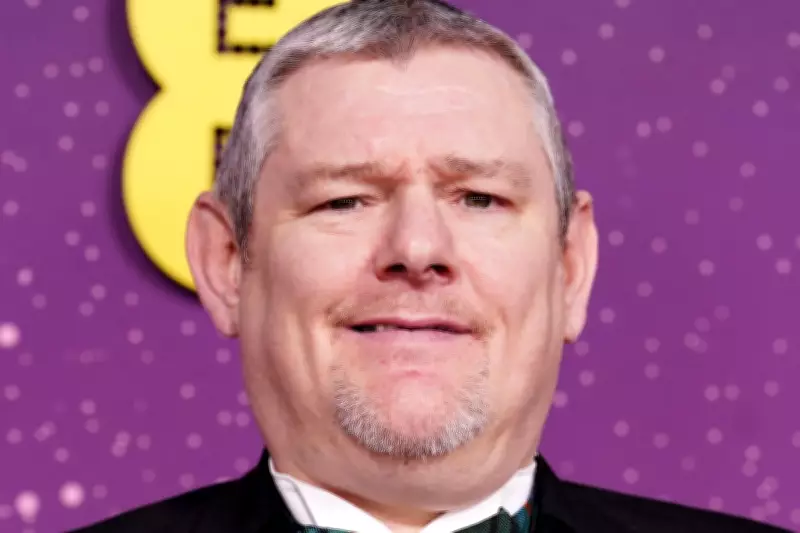
Bafta has issued a formal apology and admitted to significant "structural weaknesses" in its planning for the 2026 film awards, following an incident where a racial slur was broadcast during the ceremony. The British Academy of Film and Television Arts faced widespread criticism after disability campaigner John Davidson, who has Tourette's syndrome, was heard shouting the offensive term as actors Michael B. Jordan and Delroy Lindo presented an award on February 22.
Independent Review Findings
An independent review conducted by Rise Associates investigated the circumstances surrounding the broadcast. The review concluded that there was no evidence of malicious intent on the part of those involved in delivering the event. However, it identified serious flaws in Bafta's planning, escalation procedures, and crisis coordination arrangements for the awards ceremony.
Bafta's Apology and Statement
In a detailed statement, the Bafta Board expressed unreserved apologies to multiple communities affected by the incident. "We apologise unreservedly to the black community, for whom the racist language used carries real pain, brutality, and trauma," the statement read. It also extended apologies to the disability community, including people with Tourette Syndrome, noting that the incident has led to unfair judgment, stigma, and distress.

The board acknowledged that the celebration was diminished and overshadowed by the event, and confirmed that letters of apology have been sent to those directly impacted on the night. The statement further admitted: "The review is clear that while this was not a failure of intent, Bafta's planning and processes have not kept pace with its diversity and inclusion goals."
BBC's Role and Investigation
The ceremony was broadcast on the BBC with a two-hour time delay, which allowed for potential editing of offensive content. However, an investigation by the BBC's Executive Complaints Unit (ECU) found that the broadcaster breached its editorial standards by airing the slur. The ECU determined that the inclusion of the slur was "highly offensive" and "had no editorial justification," though it noted the broadcast was unintentional.
The report highlighted that the slur should have been edited out of the version available on iPlayer after the event concluded. A delay of several hours in removing the content was attributed to "a lack of clarity among the team as to whether the N-word was audible on the recording." The ECU described this delay as "a serious mistake, because there could be no certainty that the word would be inaudible to all viewers."
Ongoing Improvements and Responses
Bafta has committed to addressing the areas of improvement specified in the independent review as a priority. The academy stated that work is underway to enhance its planning and processes to reduce the risk of such incidents occurring in the future. This includes strengthening crisis management protocols and better aligning operations with diversity and inclusion objectives.
Additionally, the BBC's chief content officer has sent letters of apology to Delroy Lindo, Michael B. Jordan, and John Davidson. The incident has sparked broader discussions about broadcast standards, disability awareness, and the handling of sensitive content in live event environments.
The fallout from the 2026 Bafta film awards serves as a stark reminder of the challenges in managing live broadcasts and the importance of robust contingency planning. Both Bafta and the BBC are now focused on implementing changes to prevent similar occurrences and restore trust with their audiences and communities.