Bad Bunny's Super Bowl Halftime Show: A Symbolic Tribute to Puerto Rico
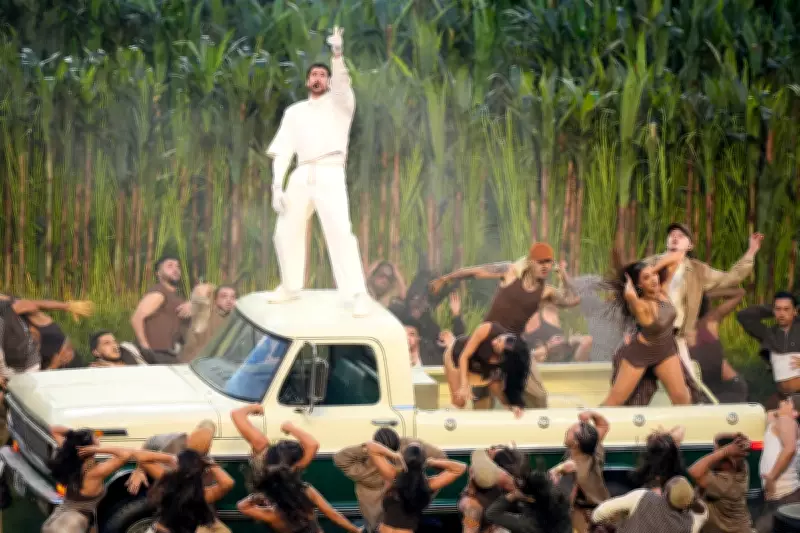
Bad Bunny's Super Bowl halftime show transformed the field in Santa Clara, California, into a vibrant tribute to Puerto Rico, transporting the audience over 3,500 miles to the island's heart. Even before launching into "Tití Me Preguntó," the Puerto Rican superstar infused the set with symbols of Puerto Rico and a broader Pan-American spirit. Here's a detailed breakdown of the Easter eggs hidden in plain view during the 13-minute performance.
Sugar Cane Fields and Jíbaros
The show opened in a sugar cane field, paying homage to Puerto Rico's main cash crop when it became a U.S. territory in the late 19th century. While the island shifted from an agricultural society in the 1950s due to tax incentives for manufacturing, jíbaros—farmers wearing traditional pava hats—remain iconic figures. Bad Bunny dressed in all white, mirroring the jíbaros' attire, which not only helps beat the Caribbean heat but also carries a figurative meaning of being "well dressed" in Latin American culture.
Caribbean Roadside Stalls and Pan-Americanism
A coconut stand touting "coco frio" evoked Caribbean roadside stalls selling refreshing coconut water, with coconut iconography appearing throughout, including drawings of coconut footballs. Other stops included dominoes, a makeshift nail salon, a cash-only gold and silver stall, and a taco stand, celebrating everyday life. Bad Bunny's quick stop for piraguas (shaved ice) featured syrup bottles with different Latin American flags, emphasizing the interplay and commonalities among American countries. This theme continued with boxers Xander Zayas and Emiliano Vargas wearing Puerto Rican and Mexican flags, highlighting a decades-long rivalry in boxing.

Celebrity Appearances and Cultural Icons
Dancing outside a casita were celebrities with ties to various American countries: singers Cardi B (Dominican Republic), Karol G (Colombia), and Young Miko (Puerto Rico); actors Jessica Alba (Mexico) and Pedro Pascal (Chile); and baseball player Ronald Acuña Jr. (Venezuela). The music itself included projections of the sapo concho cartoon, synonymous with Bad Bunny and Puerto Rico, and an appearance from Nicaraguan conductor Giancarlo Guerrero.
Lady Gaga's Flor de Maga and Wedding Scene
One of the most talked-about segments was a real wedding officiated onstage, followed by a surprise performance from Lady Gaga. Clad in a light blue dress, Gaga sported a large pinkish-red flor de maga, the national flower of Puerto Rico. A small child asleep on chairs nearby symbolized a common sight at Latin American gatherings, where kids doze off while parents dance.
Toñita and Ricky Martin's Plastic Chairs
After the wedding, the party continued with Toñita, owner of Brooklyn's Caribbean Social Club—one of the last Puerto Rican social clubs in New York—serving shots and receiving a shoutout in Bad Bunny's song "NuevaYol." Ricky Martin, another Puerto Rican legend, sang "Lo Que Le Pasó a Hawaii" while sitting on a white plastic chair in front of a plantain tree, evoking the cover of Bad Bunny's Grammy-winning album "Debí Tirar Más Fotos."
Electrical Poles and Political Symbolism
Bad Bunny and jíbaros scaled sparking power poles during "El Apagón" ("The Blackout"), referencing Hurricane Maria's catastrophic aftermath and chronic power outages on the island. The Puerto Rican flag waved in a lighter shade of blue, symbolizing the original flag associated with the independence movement, darkened under U.S. rule to mirror the American flag.
Final Nod to Pan-Americanism
Toward the end, Bad Bunny proclaimed "God bless America" while reciting countries from North and South America as their flags streamed behind him, a final nod to Pan-Americanism and the idea that "America" encompasses far more than the United States.
AP Music Writer Maria Sherman and Mallika Sen contributed to this report from "NuevaYol."