Bad Bunny's Super Bowl Performance Ignites Political Firestorm Over Immigration and Identity
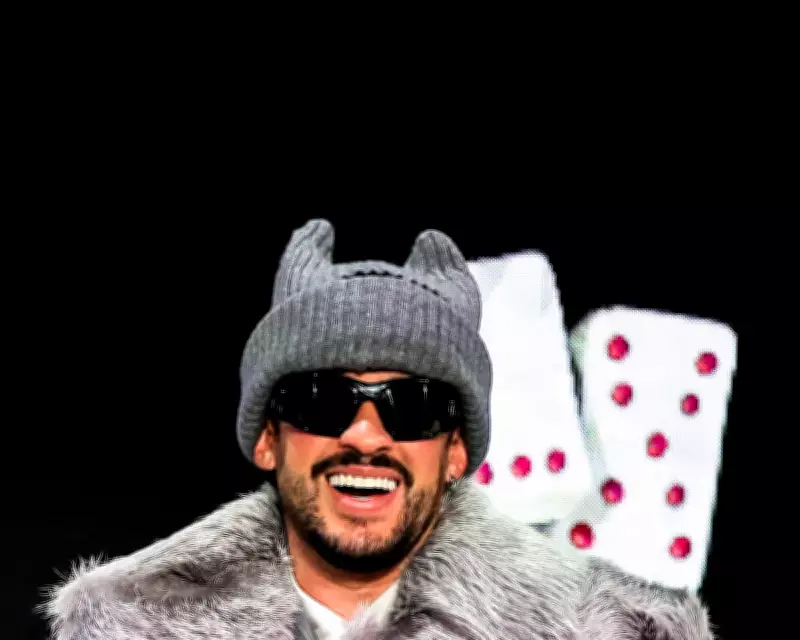
Puerto Rican superstar Bad Bunny is set to headline a groundbreaking Super Bowl halftime show this Sunday, performing primarily in Spanish at Levi's Stadium in Santa Clara. This historic event, featuring reggaeton and Latin trap rhythms, promises a vibrant celebration but has become a flashpoint in America's culture wars, particularly as the Trump administration intensifies immigration enforcement.
A Joyful Contrast to Federal Crackdowns
At a time when masked federal agents are conducting widespread raids targeting immigrants, including legal residents and U.S. citizens, Bad Bunny's performance offers a stark contrast. Vanessa Díaz, co-author of a book on the artist, notes that his music embodies Puerto Rican resistance and joy, with politically charged songs that double as party anthems. His recent Grammy wins, including Album of the Year for a Spanish-language record, underscore his cultural impact.
During his Grammy acceptance speech, Bad Bunny made a pointed statement, saying, "ICE out," and affirming the humanity of Latino communities. This defiance sets the stage for his Super Bowl appearance, which conservatives have criticized as un-American. Figures like Tomi Lahren have questioned his artistry, while Turning Point USA plans an alternative "All American" halftime show featuring Kid Rock.

Political Backlash and Community Response
The backlash taps into deeper debates about American identity and belonging, especially for Puerto Ricans, who are U.S. citizens but lack full political representation. Trump's administration has sought to redefine citizenship through policies like restricting legal immigration and ending birthright citizenship, adding urgency to Bad Bunny's performance as a symbol of Latino pride.
In response, California Governor Gavin Newsom has declared Sunday "Bad Bunny Day," and progressive groups are hosting watch parties to celebrate. Despite Trump skipping the event and calling the choice "terrible," polls show nearly half of Americans support the NFL's decision, with higher approval among Democrats, young people, and Hispanic adults.
Bad Bunny's Rise and Cultural Significance
Born Benito Antonio Martínez Ocasio in Vega Baja, Bad Bunny emerged from Puerto Rico's "crisis generation," shaped by economic hardship and natural disasters like Hurricane Maria. His music, rooted in local rhythms, explores themes of identity and resistance, resonating globally without softening his politics. He has avoided U.S. tours due to fears of ICE, instead staging a successful residency in San Juan.
Scholars like Jorell Meléndez-Badillo highlight how Bad Bunny challenges Trump's "America First" ideology by representing a broader hemispheric American identity. His performance at the Super Bowl, a platform steeped in patriotism, is seen as a political statement of colonial resistance at the heart of empire.
Looking Ahead to Sunday's Show
As anticipation builds, fans speculate on potential surprises, such as references to immigration crackdowns or collaborations with other Latin stars. Bad Bunny has teased a message of unity, promising "the world will dance." Regardless of the setlist, his presence at this iconic American event underscores a cultural shift, with the NFL courting Latino viewers to expand its fanbase.
This performance not only celebrates Latino culture but also highlights ongoing struggles for equality and recognition in the face of political division.