Australian Expat Dies in Bali Following Consular Refusal to Issue Emergency Passport
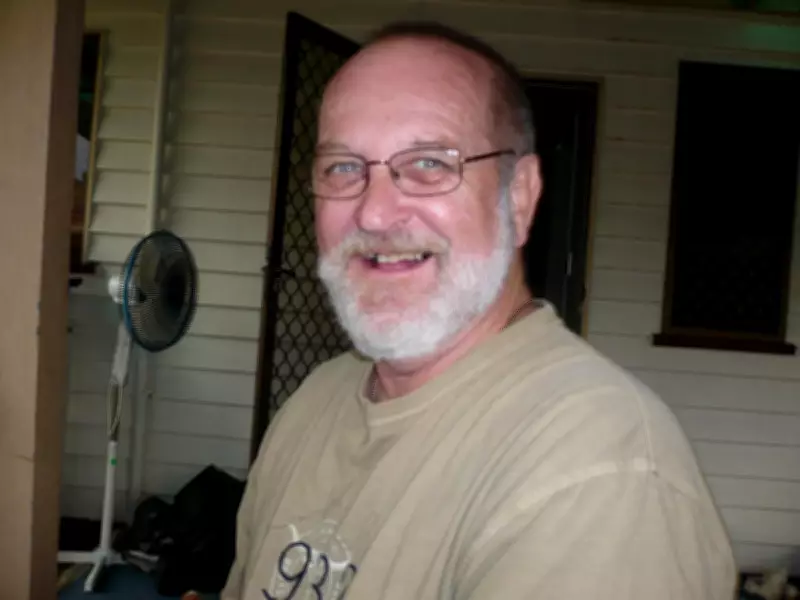
An Australian man has died in a Balinese hospital after the Australian consulate repeatedly refused to issue an emergency passport that his son insists could have saved his life. Wayne Harvey, a 69-year-old expat who had been living on the island since 2018, passed away in January 2023 following a series of failed attempts by his son to secure consular assistance for a vital medical transfer.
Hospital Admission and Complications
Wayne Harvey was admitted to the Puri Raharja hospital in Denpasar on Christmas Eve in 2022 with suspected appendicitis. After undergoing surgery to remove his appendix, the hospital informed his son, Jake Harvey, who was in Australia, that complications had arisen during the operation. Medical staff stated they were no longer equipped to provide adequate care and recommended an immediate transfer to the nearby Professor Ngoerah public hospital for specialised treatment.
However, a critical obstacle emerged: Wayne's passport, which was required to facilitate the transfer between hospitals, was missing. Without this document, the move could not proceed, leaving him stranded in a facility unable to manage his deteriorating condition.

Consular Emergency Calls and Privacy Act Hurdles
On 1 January 2023, Jake Harvey contacted the Department of Foreign Affairs' 24-hour Consular Emergency Centre from Australia. He explained that his father was unconscious and critically ill, urgently requesting an emergency passport to enable the hospital transfer. The consular official responded by citing the Privacy Act, stating they could not discuss the situation with Jake without his father's explicit permission.
Over the following days, Jake made numerous attempts to communicate with the consulate, sending emails and placing multiple calls to the emergency assistance line. He even provided confronting videos and photographs of his father on life support to underscore the severity of the situation. Despite these efforts, his pleas for help were met with bureaucratic resistance.
Escalating Desperation and Lack of Response
On 2 January, Jake informed the consulate that his father's condition was worsening. The next day, he wrote in frustration, "This is taking too long ... I am sick to death of hearing about the privacy policy." He urged the consulate to contact the hospital directly to obtain Wayne's consent, or to begin engaging with him as next of kin if consent was impossible due to his father's medical state.
On 3 January, the consulate emailed Jake a summary of his father's condition, based on information reportedly provided by an on-duty nurse. The email acknowledged that the hospital was "not up to Australian standard" but suggested Wayne's condition was "stable" and had improved. Jake contested this assessment, noting it conflicted with updates he was receiving from doctors and a family friend.
Later that day, Jake reiterated the need for documentation, writing, "Regarding the transfer to the other hospital: we were told by the hospital staff member that Wayne doesn't have his Passport, because it is in the immigration office ... The hospital staff said he needs these documents to be transferred to the other hospital, if his condition worsens. Is the Consulate able to help with getting these documents?" He received no response to this or subsequent follow-up emails.
Tragic Outcome and Delayed Accountability
The consulate never issued an emergency passport, Wayne was not transferred, and he died at the Puri Raharja hospital on 7 January 2023. His body was later moved to the morgue at the very hospital that had been recommended for his transfer.
Jake lodged a formal complaint about the handling of his father's case just two days after the death in early 2023. This complaint went unanswered for over two years. It was only after he sent a second follow-up email in mid-2025, expressing frustration at the lack of response, that the Department of Foreign Affairs finally replied.

Internal Investigation and Apology
In late 2025, the department conducted an internal investigation and issued an apology to Jake. A letter from Paula Brewer, assistant secretary for the consular branch, dated October 2025, acknowledged the concerns raised about interactions with the Consular Emergency Centre. Brewer stated, "Your experience has been shared with the relevant teams and managers to help inform improvements in how we communicate with families during critical situations."
The letter admitted, "In your father's case, it appears we did not initially have a clear understanding of the seriousness of his condition. Once it became evident that he was unable to provide consent, the Consulate took steps to share information with you, including a medical report. However, I acknowledge that the process and timeframes involved – particularly around public holidays – were not clearly explained to you at the time. I am truly sorry for any additional distress this may have caused during an already painful time."
Family Dissatisfaction and Ongoing Disputes
Jake has demanded further clarification, calling the department's claim of unawareness regarding his father's serious condition "unacceptable." In a November 2025 email responding to the apology, he wrote, "The consular services were contacted because his condition was so serious that he needed to be moved to a different hospital because the hospital that had him felt he needed more care. He was unconscious following complications from having his appendix removed. He could not be moved without his passport and that was missing. That's why consular services were contacted. We needed help with a passport."
The department defended its actions, stating that consular officers relied on hospital advice from 3 January indicating Wayne's condition was "stable," and emphasised that they are not medical professionals. A consular official wrote, "We recognise how deeply distressing your father's death has been for you and your family, and we are sincerely sorry the consular services provided in relation to Wayne's case did not meet your expectations."
Departmental Statement and Review Findings
In response to inquiries, a DFAT spokeswoman expressed deep sorrow for the family's loss and extended sincere condolences. She said, "An internal review found the case was managed in line with established consular procedures. It also identified areas to improve communication with family members and changes to DFAT processes have since been implemented. The review found these issues were not related to the medical outcome in this case." The department added that privacy obligations limit further discussion of case details.