The Relentless Pressure to Go Viral: Artists Confront Social Media Burnout
In an era dominated by digital platforms, creative individuals across industries are grappling with an unprecedented demand: the need to produce short-form video content to satisfy algorithmic appetites. A recent meme featuring Tony Soprano captures the zeitgeist, humorously imagining his reaction to being told to "create short form content to engage the algorithm." This sentiment reflects a stark reality, with 82% of internet traffic now comprising videos, and short-form content on platforms like TikTok and Instagram surging by 71% from 2024.
The Unavoidable Shift to Camera-Facing Roles
Suddenly, professionals from chefs and lawyers to podcasters and critics, once operating behind the scenes, are thrust into the spotlight. Even renowned film director Werner Herzog, previously a staunch non-user of social media, now engages audiences with steak-sizzling and unboxing videos. This shift underscores a broader trend where algorithms reward content featuring human faces, compelling creatives to adapt or risk obscurity.
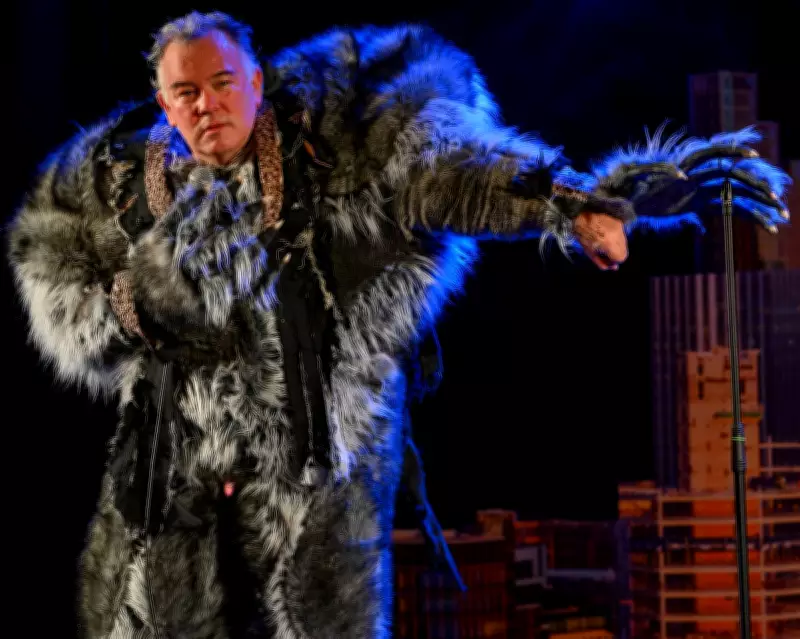
Comedian Stewart Lee, who has maintained a successful career without social media, describes the situation as "hideous." He warns, "We're at a real crossroads. The worst people on earth control the means of communication." Lee highlights the difficulty of directing audiences to affordable ticket purchases without falling prey to "parasitical" intermediary sites. For a recent London standup show, his marketing team urged him to create viral content, but he found himself unable to don a wolf costume from his act, fearing it would strip away the mystery essential to his work.

The Creative Conundrum: Engagement vs. Authenticity
Kingsley Hall, vocalist of the Teesside electronic-punk band Benefits, echoes this dilemma. "I have to be present, otherwise I run the risk of no one turning up to watch us," he admits. "But none of us really want to do it. It's a horrible conundrum. This grinding, relentless popularity contest. Seeing creative people chasing the algorithm, craving to go viral, and completely forgetting their purpose: it's tiresome."
Lee concedes that he may need to embrace social media to sustain his career, calling the prospect "horrifying" yet necessary to prevent audiences from ebbing away. This tension spans the creative spectrum. Actor Chike Chan, known for roles in Batman Begins and A Thousand Blows, questions the assumption that more exposure equates to more work. "It's a chicken and egg situation," he muses. "Do you get more work because of social media? Or do you do more social media to try to get work?"
Writing and Radio in the Video Age
In the literary world, bestselling author Benjamin Myers acknowledges the mixed blessings of platforms like BookTok. "I'm really grateful people want to enthuse about books and broadcast that," he says. "But that world is full of tropes. To film yourself crying because you've read a book is completely absurd. There's something very performative about it, which I find odd, because reading is such an introspective, personal experience." Myers, while addicted to Instagram like many, cautions that it's "not reality. It's a marketplace, and every time you step into it someone is going to try and sell you something – and occasionally you're the person doing the selling."
Even radio, once a haven for those with "a face for radio," now demands visual presence. BBC Radio 6 Music DJ Deb Grant feels "obliged to have a presence," noting that while she finds it exposing, it's crucial for building familiarity and authority. "It's about attaching people's ideas about what you have knowledge and authority on, with your face," she explains.
Embracing the New Landscape
Not all artists resist this shift. Comedian Lorna Rose Treen has thrived by creating viral video skits, leveraging their low cost to experiment creatively. "It's so cheap to make [videos] that you can spaff out loads," she says. Her strong online presence allows her to sell out shows in advance, a boon as the Edinburgh Festival Fringe becomes prohibitively expensive. However, she observes frustration among peers who struggle to crack online success, noting, "Some people resent comedians who have gone viral but haven't had any live experience, but I think it's all valid. We have to adapt."

An anonymous music journalist turned Substack writer has reluctantly embraced camera-facing content to chase dwindling advertising budgets. "I'm doing it to essentially chase the money," he confesses. Surprisingly, he finds it fun and effective, reaching audiences in ways long-form writing no longer does. "I would love for people to still want to read 4,000 words on a new band, and pay for it, but we are not there any more, and haven't been for quite a long time."
The Toll on Creativity and Well-being
Danielle Udogaranya, founder of Ebonix and a gaming and technology expert, notes that platforms like Twitch now blend gameplay with personality-led content, placing creators in roles as players, performers, and narrators. "For a lot of creators that pressure never really switches off," she says. "The cycle of posting, performing, engaging and staying visible can quietly turn into burnout."
Musician Yarni spent four hours daily in 2025 creating video content to promote his music, lamenting that he "barely picked up an instrument" during that time. An artist manager describes the challenge of balancing label demands for algorithmic hits with protecting a band's morale, calling it "the bane of my life right now."
Resisting the Algorithmic Tide
Some, like Charlie Wayne of the art-rock band Black Country, New Road, maintain a music-first ethos despite increased pressure. "We never cared at the start and we don't really care now," he asserts, though acknowledging a 100% rise in expectations since 2018. "The real change is the expectation of presence. That because you have the option of engaging your audience constantly, you should." Wayne believes audiences still reward quality music over viral content.
Udogaranya advocates for stepping away from screens to nurture creativity. "Stepping away from screens, having interests outside of digital consumption and allowing yourself to be offline without guilt all matter more than the algorithm ever will," she advises. "Creativity needs space to breathe. Without it, you're just sustaining output. That's not a sustainable way to build a career or a life."
The Future of Creative Work in a Digital World
Hall reflects on the fleeting democratization of promotion via social media, noting how platforms like Twitter, now X, have shifted, making previous strategies irrelevant. "Social media democratised promotion and, momentarily, it seemed to level the playing field. But these things become commodified and the field all of a sudden slopes 45 degrees and you find yourself struggling."
Lee expresses deeper concerns about social media's influence on artistic integrity. "A lot of successful people now have very bitty acts because they're assembled from things they've created to promote themselves on social media," he observes. "It's a case of the cart before the horse, where the promotional method is defining the timbre of the work." He worries that maintaining a distinct stage persona alongside a real-life identity is becoming untenable in a social media-driven world.
As creatives navigate this evolving landscape, the tension between engagement and authenticity continues to fuel burnout, prompting a reevaluation of what it means to succeed in the digital age.