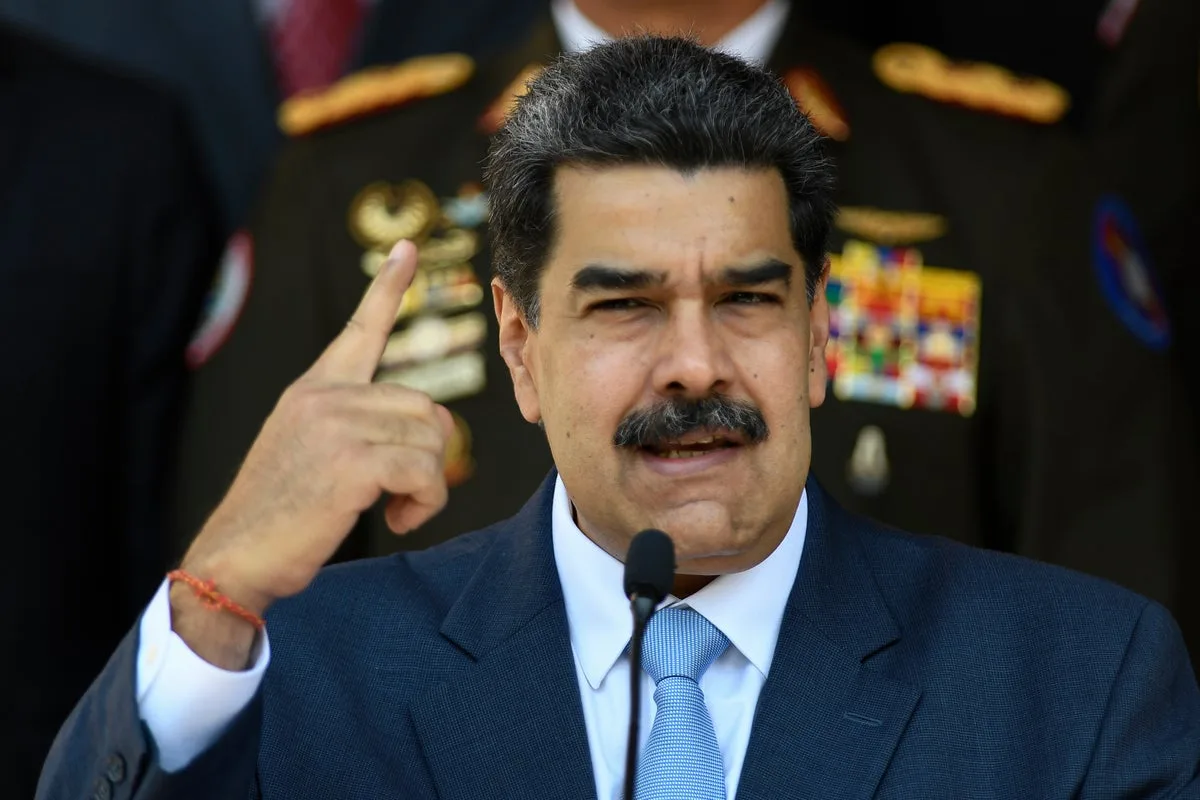
In a significant international legal development, Argentina has formally requested the extradition of former Venezuelan President Nicolás Maduro from the United States. The request centres on serious allegations of crimes against humanity committed during his presidency.
Formal Extradition Request Issued
Argentine federal judge Sebastián Ramos signed the extradition warrant on Wednesday, ordering the urgent translation and processing of the international request. The documentation has been seen by The Associated Press and represents a major escalation in legal proceedings against the former Venezuelan leader.
Basis of the Charges
The case, originally filed in Buenos Aires in 2023 by human rights organisations representing victims, accuses Maduro of overseeing a harsh crackdown on protesters and political opponents during his presidency. Plaintiffs include Venezuelans who suffered torture, arbitrary detention, enforced disappearance and other abuses at the hands of Venezuelan security forces and intelligence agents.
Argentina is pursuing this case under the principle of universal jurisdiction, a legal concept that allows for prosecution in Argentina of individuals from any country who commit serious international crimes like genocide or terrorism anywhere in the world. This legal approach has become increasingly significant in Argentina's judicial landscape.
Current Legal Context
The extradition request comes at a particularly complex moment in Maduro's legal troubles. The former Venezuelan president was captured by U.S. military forces last month and currently faces federal charges of narco-terrorism and conspiracy to import cocaine in New York. He and his wife Cilia Flores await trial in a Brooklyn jail on allegations they worked with drug cartels to facilitate cocaine shipments into the United States over a 25-year period.
Political Dimensions and Challenges
Argentina's foreign ministry must now present the extradition request to the Trump administration, though legal experts suggest compliance is unlikely given Maduro's existing prosecution in the United States. The warrant cites the 1997 extradition treaty between Argentina and the United States while acknowledging Maduro's recent capture.
This development follows an international arrest warrant first issued by an Argentine court in 2024. After the U.S. military operation that ousted Maduro on January 3rd, Argentine federal prosecutors asked Judge Ramos to formally request extradition for the crimes-against-humanity investigation.
Argentina's Expanding International Role
As one of only a handful of countries whose laws permit investigation of crimes-against-humanity cases beyond national borders, Argentina has increasingly taken centre stage in international human rights litigation. The country's judges have aggressively pursued cases ranging from the torture of dissidents under Franco's dictatorship in Spain to atrocities committed against Rohingya Muslims in Myanmar.
Human rights organisations involved in the case have hailed the extradition request as an important milestone. "For Argentina, for justice, and above all, for Venezuelan victims who dared to speak out," noted one organisation. The Argentine Forum for the Defense of Democracy emphasised the significance of "having stood up to the powerful, fiercely defending human rights."
Political Alignment and Regional Implications
The request occurs under the administration of Argentine President Javier Milei, the region's most prominent right-wing leader and an ally of U.S. President Donald Trump. Milei has publicly cheered the U.S. military seizure of Maduro, highlighting the political alignment between the two administrations on this matter.
This extradition request represents another layer in the complex international legal proceedings surrounding the former Venezuelan leader, whose fate now involves multiple judicial systems and significant geopolitical considerations. The outcome will likely have implications for international human rights enforcement and extradition practices between nations.






