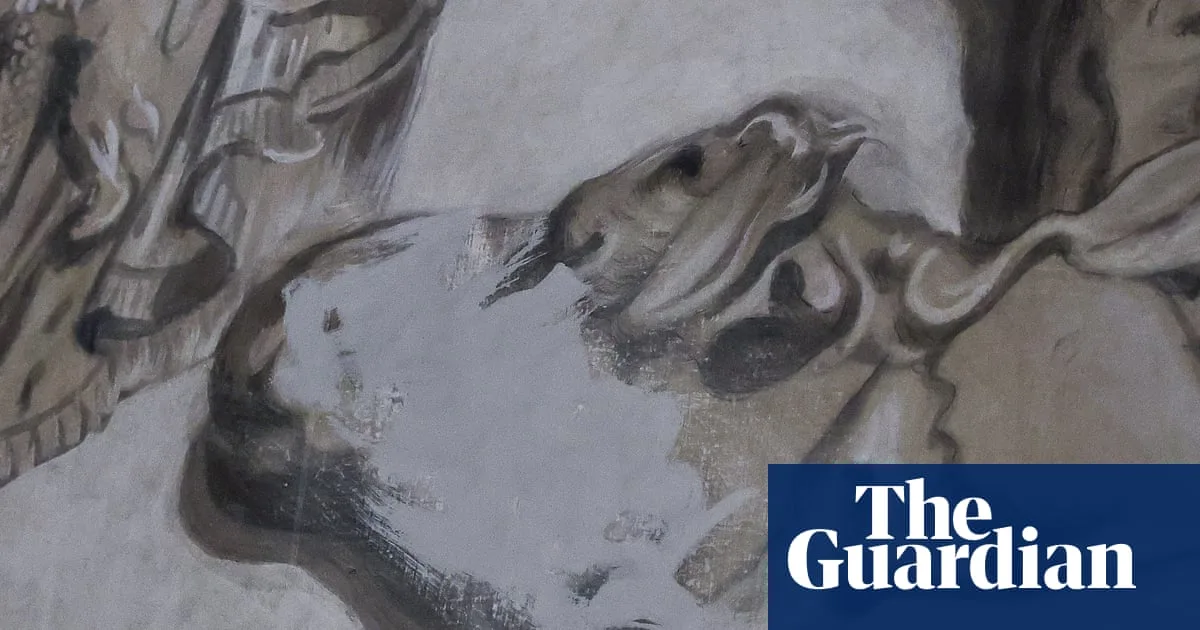
A winged angel fresco that bore an uncanny resemblance to Italian Prime Minister Giorgia Meloni has been completely erased from a historic church in Rome, following what appears to be a direct order from the Vatican. This action brings a swift conclusion to an embarrassing cultural and religious debacle that had drawn international attention and prompted official investigations.
Amateur Restoration Sparks Controversy and Investigations
The controversial image was located on a wall painting within a chapel of the Basilica of St Lawrence in Lucina, situated in central Rome. The angel's face was removed overnight, leaving the cherub figure headless and the surrounding fresco visibly altered. The likeness first emerged following restoration work conducted by amateur artist Bruno Valentinetti, who had been commissioned to repair water damage to the painting.
Valentinetti initially denied deliberately creating the resemblance to Italy's conservative leader, but later confessed to La Repubblica newspaper, stating "Yes, it's the prime minister's face" while maintaining it was similar to the previous artwork. The altered painting, originally completed in the year 2000, was not protected by any heritage preservation regulations, leaving it vulnerable to such modifications.
Vatican Intervention and Ecclesiastical Displeasure
The artist revealed on Wednesday that he had been asked to remove the controversial face by Vatican authorities, though official spokespersons for the Holy See did not immediately respond to requests for comment. The striking resemblance prompted formal investigations by both Italy's culture ministry and the diocese of Rome, with Cardinal Baldo Reina, the diocese's vicar general, expressing profound "bitterness" over the entire incident.
Cardinal Reina emphasised the sanctity of religious art, declaring that "Images of sacred art and Christian tradition cannot be misused or exploited". This sentiment was echoed by Daniele Micheletti, the basilica's parish priest, who acknowledged noticing "a certain resemblance" to Meloni but insisted he had instructed Valentinetti to restore the painting exactly as it was, without intentional alterations.
Political Reactions and Public Fascination
Since the story gained widespread attention, the church experienced an unusual influx of visitors more interested in viewing the controversial fresco than participating in religious services. Micheletti noted with concern that "There was a procession of people that came to see it instead of listening to mass or praying", describing the situation as unacceptable for a place of worship.
Opposition politicians quickly seized upon the scandal, with members of the Five Star Movement issuing a statement warning that art and culture should never become "a tool for propaganda or anything else, regardless of whether the face depicted is that of the prime minister". Meanwhile, Giorgia Meloni herself responded with characteristic humour, posting an image of the painting on her Instagram account with the caption: "No, I definitely don't look like an angel," accompanied by laughing emojis.
Broader Implications for Cultural Preservation
This incident raises significant questions about:
- The regulation of amateur restorations in historically significant religious buildings
- The intersection of contemporary politics with centuries-old religious art
- The appropriate response when sacred spaces become tourist attractions for non-religious reasons
- The balance between artistic interpretation and faithful restoration in ecclesiastical contexts
The swift removal of the controversial image demonstrates the Vatican's determination to maintain control over religious iconography and prevent what it perceives as inappropriate politicisation of sacred art. However, the episode has already sparked broader conversations about artistic freedom, political symbolism, and the preservation of cultural heritage in Italy's countless historical churches.




