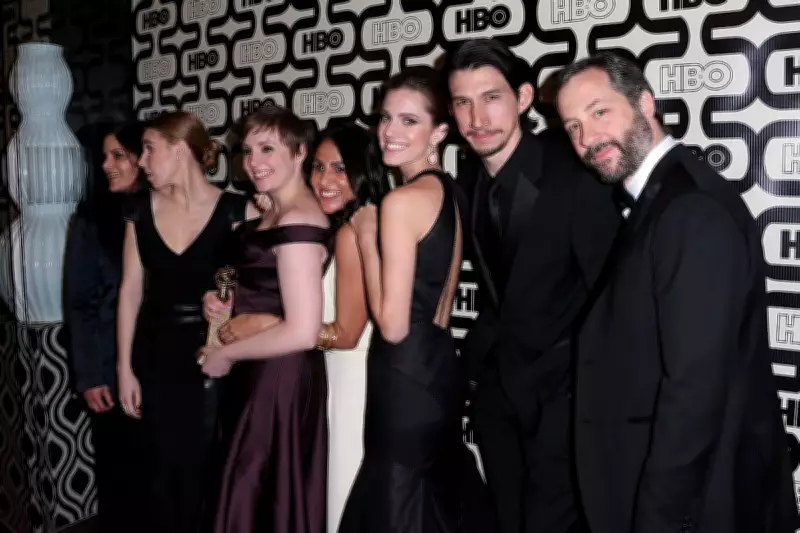
In a recent development, actress Allison Williams has skillfully dodged inquiries regarding claims made by Lena Dunham about their former "Girls" co-star Adam Driver's conduct on set. Dunham's new memoir, "Famesick", alleges that Driver exhibited difficult and volatile behaviour during the production of the hit HBO series.
Allegations of Volatile Behaviour
According to Dunham's account, Adam Driver, who played Adam Sackler, threw a chair during line practice and punched a hole in his trailer wall. She described him as "something feral" and "half-man, half-beast", highlighting an intense and tumultuous dynamic behind the scenes. These revelations have sparked widespread discussion in entertainment circles, raising questions about on-set professionalism and interpersonal relationships in high-pressure filming environments.
Williams' Cautious Response
When pressed for comment, Allison Williams, who portrayed Marnie Michaels, declined to address the specific allegations. She stated that she needed to read more of the book, having only perused up to the first episode's table read. Williams emphasised her close, lifelong bond with Dunham, suggesting a desire to maintain loyalty while avoiding direct involvement in the controversy. This cautious approach reflects the delicate balance public figures often strike when navigating sensitive topics involving colleagues.

Dunham's Detailed Account
Lena Dunham's memoir delves deeper into her relationship with Driver, noting frequent fights and an "intensity" in their connection. She revealed that after his final scene on the show, she "never heard from him again", hinting at a fractured post-production relationship. These insights offer a rare glimpse into the behind-the-scenes tensions that can exist in collaborative creative projects, even among successful casts.
The allegations come as Dunham promotes her upcoming Netflix series "Too Much", starring Megan Stalter, adding a layer of promotional context to the memoir's release. The entertainment industry continues to grapple with discussions about workplace behaviour, making such disclosures particularly resonant in current cultural dialogues.