Brits Describe Harrowing Escapes as Air Raid Sirens Sound During Boarding
British nationals fleeing the escalating Middle East crisis have revealed the terrifying moments they experienced while attempting to evacuate, with air raid sirens blaring as they boarded planes to safety. The situation remains precarious for thousands of Britons stranded across the Gulf region following a series of retaliatory strikes between Iran and Western allies.
Flight Chaos Leaves Thousands Stranded
Transport chaos has gripped the region with multiple flight cancellations creating uncertainty for British citizens. Three London-bound jets failed to depart from Dubai runways, while another faced delays exceeding two hours. Emirates Airlines scheduled four flights from the Middle East to London for yesterday afternoon, but only one ultimately operated as planned.
More than 100,000 British nationals currently in Gulf countries have officially registered with the UK government seeking assistance as Iran continues its retaliatory military actions across the region. The crisis intensified following weekend strikes by US and Israeli forces that resulted in the death of Iran's Supreme Leader Ayatollah Ali Khamenei.

Personal Accounts of Terrifying Evacuations
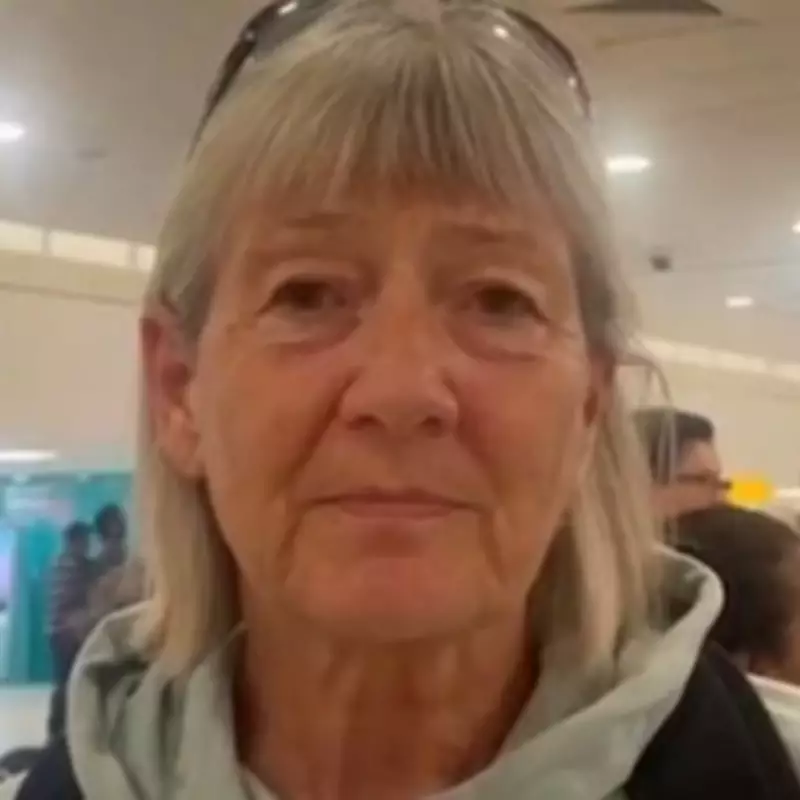
Beverly Pugh, a 65-year-old examination board worker from the New Forest, described her emotional escape from Jordan. "I managed to book with Royal Jordanian," she explained after arriving at London Heathrow's Terminal 3. "As we boarded the plane, air raid sirens were going off. Jordan still felt relatively safe, but the sirens were unmistakable."
Pugh reported witnessing low-flying military jets and debris on the ground during her final days in Amman. Despite the alarming circumstances, she noted that local residents displayed remarkable resilience. "Unfortunately, they've lived in the middle of conflict for such a long time so they're used to it and know how to react," she observed, adding that increased police presence had become normalized over the past two years.
Heartbreaking Scenes at Heathrow Arrivals
The arrivals hall at Heathrow Terminal 3 presented emotional reunions as evacuees finally reached British soil. Twelve-year-old Ahmad Ali, who had spent three nights alone in Dubai Airport while traveling from Pakistan, tearfully embraced his mother Hafsa upon clearing customs.
Other arrivals included Linda Middleditch, who received flowers from her two daughters after arriving on a transit flight, accompanied by fellow evacuees Damini Patel from Harrow and Ourania Righelato from Barnet. These personal stories highlight the human cost of the geopolitical tensions unfolding across the Middle East.
Government Response and Airline Contingencies
Foreign Secretary Yvette Cooper addressed Parliament on Tuesday, assuring MPs that the "safety and security" of British nationals remained the government's "top priority." She announced plans for a government-chartered flight to depart from Muscat, Oman in coming days, prioritizing vulnerable citizens.
"We are working closely with airlines to increase evacuation capacity from Muscat for British nationals," Cooper stated, emphasizing that affected individuals must await direct contact from the Foreign Office regarding evacuation options.
British Airways confirmed it would operate a special flight from Muscat to Heathrow departing Thursday at 02:30 local time. However, a spokesperson acknowledged ongoing limitations: "We currently remain unable to operate flights from destinations including Dubai, Doha, Abu Dhabi, Bahrain, Amman and Tel Aviv. We're continuing to do everything possible to support customers and colleagues in the region."
Regional Impact and Continuing Threats
Satellite imagery reveals significant damage at Saudi Aramco's Ras Tanura refinery following Iranian attacks, while smoke continues to rise from areas east of Tehran after US and Israeli strikes. The conflict has created a dangerous environment for both residents and foreign nationals throughout the region.

As diplomatic efforts continue, British citizens remain caught in the crossfire of escalating hostilities, with evacuation efforts complicated by ongoing security threats and transportation disruptions. The situation underscores the vulnerability of civilians during international conflicts and the challenges of large-scale evacuations under dangerous conditions.