US Indian Health Service Confronts Decades-Old Medical Facility Construction Backlog
The United States Indian Health Service, the federal agency responsible for providing healthcare to Native American populations, is confronting a monumental backlog of medical facility construction that has accumulated over decades. This infrastructure crisis affects healthcare access and quality for millions of patients across tribal nations.
Long-Awaited Albuquerque Medical Center
An empty plot situated between a fire station and a soccer field just outside Albuquerque, New Mexico, is poised to become the site of a federal medical center first promised to Native American patients more than thirty years ago. Earlier this month, Santa Ana Pueblo Governor Myron Armijo led officials from the US Indian Health Service and the Department of Health and Human Services on a tour of the location where patients will eventually receive comprehensive services ranging from dialysis and diabetes care to optometry.
"This will definitely change the game for healthcare in our area," Armijo stated during the tour.

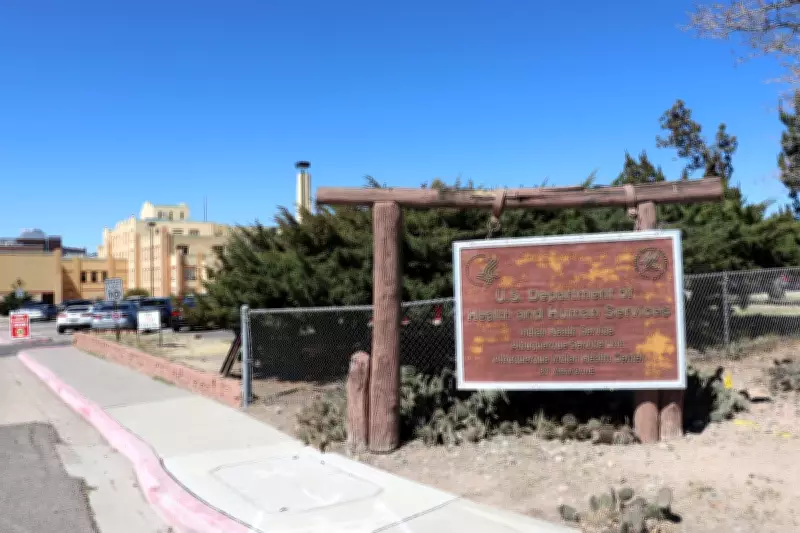
Scheduled to break ground in 2027, the 235,000-square-foot center will be operated by the Indian Health Service. Tribal leaders anticipate it will alleviate pressure on the aging and overextended Albuquerque Indian Health Center, a federal facility originally constructed ninety years ago where some patients report waiting months for appointments.
Historical Backlog and Current Challenges
The Albuquerque facility was among more than sixty clinics and hospitals the agency identified for replacement in 1993 due to their age, deteriorating condition, and inability to serve growing populations. It remains on that list alongside six other projects scattered throughout Arizona and New Mexico. Indian Health Service officials indicate it will eventually be replaced by two new facilities in the Albuquerque area, including the center planned at Santa Ana Pueblo.
In February, Health and Human Services Secretary Robert F. Kennedy Jr. pledged $1 billion toward these long-delayed projects, including $22 million specifically for the Santa Ana Pueblo center. However, the agency estimates that approximately $8 billion is required to complete all remaining projects on the 1993 list, which federal law mandates must be finished before the Indian Health Service can address other major construction needs.
A.C. Locklear, CEO of the nonprofit National Indian Health Board, acknowledged that the $1 billion commitment represents the single largest financial investment by any administration in addressing aging facilities. Yet he emphasized that it simultaneously highlights the federal government's neglect of its legal obligation to provide adequate healthcare to tribal nations.
"It's a drop in the bucket in terms of what's needed to modernize these facilities," Locklear remarked.
Aging Infrastructure Impacts Patient Care
The Indian Health Service serves 2.8 million Native American and Alaska Native patients across twenty-one hospitals and seventy-eight smaller health centers nationwide. According to a 2023 US Government Accountability Office report, the average age of these facilities is approximately forty years, with one-third in "poor" physical condition.
Theresa Nelson, a sixty-two-year-old Navajo Nation citizen who began relying on the Albuquerque Indian Health Center after retiring and losing her health insurance, described the experience as "like going back in time." She noted outdated equipment ranging from X-ray machines to exam rooms and waiting room furniture.
Nelson explained that the center depends on a complex system of outside referrals for treatments and tests that were more accessible in the private sector. She has been waiting eight weeks for Indian Health Service approval for a referral for a 3D mammogram, a diagnostic tool the Mayo Clinic indicates is available at most US healthcare facilities.
While the Indian Health Service states appointment wait times at the Albuquerque center are under fourteen days for patients established with primary care providers, Nelson and other patients report going years without being assigned a doctor and waiting months for preventative care appointments.

Piecemeal Solutions and Growing Concerns
Further west, the Gallup Indian Medical Center operates from a collection of modular buildings and piecemeal renovations. This hospital, which opened over six decades ago and remains on the 1993 replacement list, serves populations including the Navajo Nation. Tribal lawmaker Vince James noted that constant construction and a disjointed layout create navigation difficulties for elderly and disabled patients while hindering healthcare providers' effectiveness.
"These are Band-Aid fixes," James asserted. "Eventually the Gallup Indian Medical Center campus will become unsafe."
Systemic Delays and Legislative Constraints
Senior Health and Human Services adviser Mark Cruz urged Congress to make a special appropriation to complete remaining projects in various planning and design stages. Without such funding, he warned, it could take another forty years to address the priority list.
"It's really unacceptable that we're still working off of that thirty-three-year-old construction list," Cruz declared during the Santa Ana Pueblo tour.
Federal law requires the Indian Health Service to complete the 1993 list before replacing clinics and hospitals that have deteriorated since that time, including two nearly ninety-year-old hospitals in Montana and Minnesota. The agency is also prohibited from constructing new facilities to meet shifting patient demand that has grown and changed geographically in recent decades.
"I can't get to additional projects that have merit across Indian Country or Alaska because I have a statutory obligation to get through the 1993 list first," Cruz explained.
Success Stories Highlight Ongoing Needs
In 2023, the Indian Health Service completed a project in Rapid City, South Dakota, removing it from the priority list. The replacement of the aging and problematic Sioux San Hospital has been "transformational," according to Jerilyn Church, CEO of the Great Plains Tribal Leader's Health Board.
The renamed Oyate Health Center is three times larger than the former hospital and equipped with significantly more modern medical equipment. However, demand for care at the new center already exceeds available space.
"That's what happens when you work from a backlog," Church observed. "In the time between identifying the need and the money finally becoming available, the population grows."