African Leaders Demand Colonial Crime Recognition and Reparations
Africa pushes for colonial crime recognition and reparations

African leaders are mounting a significant push to have historical colonial-era atrocities officially recognised, criminalised, and addressed through comprehensive reparations programmes.

A Continental Gathering for Justice

Diplomats and leaders recently convened at a major conference in Algiers, the Algerian capital, to advance a crucial African Union resolution. This resolution, passed earlier this year, formally calls for justice and reparations for the countless victims of colonialism across the continent.

Algerian Foreign Minister Ahmed Attaf addressed the conference, stating that Africa has a right to demand the official and explicit recognition of the crimes committed against its peoples. He emphasised that this is an indispensable first step toward addressing the consequences of that era.

"African countries and peoples continue to pay a heavy price in terms of exclusion, marginalisation and backwardness," Attaf declared, highlighting the lasting socio-economic damage.

The Legal and Economic Case for Restitution

While international conventions outlaw practices like slavery and torture, the United Nations Charter does not explicitly reference colonialism. This legal gap was a central topic at the African Union's February summit, where leaders discussed defining colonisation as a crime against humanity.

The economic cost is believed to be staggering, with some estimates running into the trillions of pounds. European powers systematically extracted vast quantities of natural resources—including gold, rubber, and diamonds—often through brutal methods. This left local populations impoverished while colonial powers amassed enormous profits.

Attaf argued that a robust legal framework is needed to ensure that restitution is seen as "neither a gift nor a favour" but as a rightful process. In recent years, African states have also intensified demands for the return of looted cultural artefacts still held in European museums.

Algeria's Symbolic Role and Unfinished Business

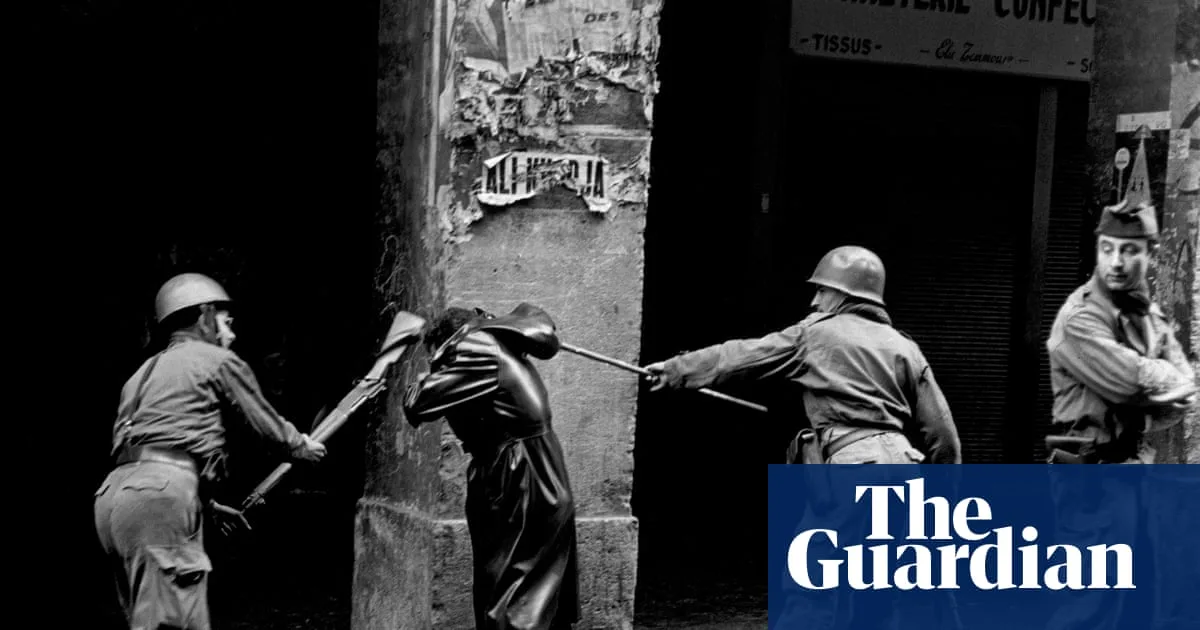
Minister Attaf noted it was no accident the conference was held in Algeria, a nation that endured some of the most brutal forms of French colonial rule. Algeria fought a bloody war for independence, during which hundreds of thousands died.

French forces employed tactics including torture, forced disappearances, and the devastation of villages as part of a counterinsurgency strategy. Nearly a million European settlers in Algeria held superior political, economic, and social privileges, despite Algeria being legally part of France at the time.

Algeria's historical experience continues to inform its foreign policy, particularly regarding the disputed territory of Western Sahara. Attaf framed the situation as a case of unfinished decolonisation, calling it "Africa's last colony" and supporting the Sahrawi people's right to self-determination.

This diplomatic push occurs even as Algeria treads carefully to avoid inflaming tensions with France, where the legacy of the war remains a politically sensitive issue. Although French President Emmanuel Macron has described elements of the history as a crime against humanity, he has stopped short of issuing an official apology.

Mohamed Arezki Ferrad, a member of Algeria's parliament, told the Associated Press that compensation must be more than symbolic, pointing out that looted artefacts like the 16th-century cannon Baba Merzoug remain in France. These calls for reparative justice are gaining momentum globally, with similar movements active in the Caribbean, seeking accountability from former colonisers like the UK.



