Student Exposes Flaws in A-Level Colonial History Teaching
Astrid Barltrop, winner of The Guardian Foundation's 2026 Emerging Voices award and a year 13 student in Oxfordshire, has voiced strong criticism of the A-level history curriculum in England and Wales. She highlights how it presents a skewed perspective on British colonial history, which she believes fosters damaging attitudes towards race and migration.
Questioning the Definition of 'Success' in Empire
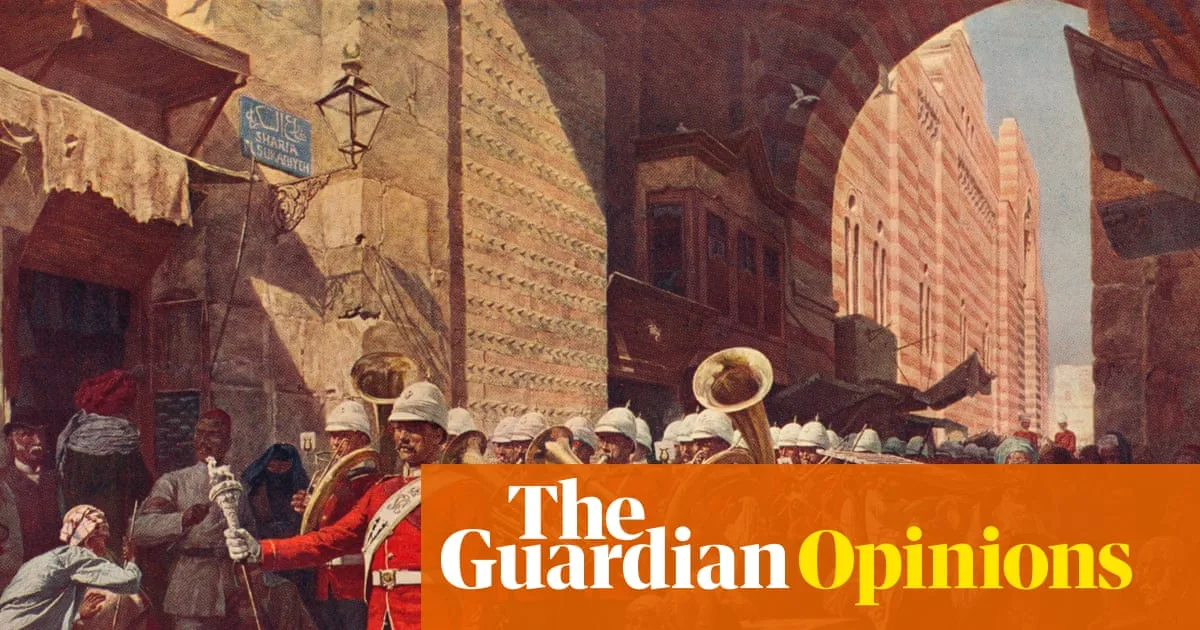
In her history class, Barltrop encountered an essay prompt asking: 'Lord Cromer was a successful consul-general of Egypt. To what extent do you agree?' This led her to question what 'successful' truly means in a colonial context. Evelyn Baring, the 1st Earl of Cromer, served as consul-general from 1883 to 1907, imposing austerity measures that benefited British financiers while viewing Egyptians as 'subversive demagogues' and 'subject races'.
Although Barltrop could argue against Cromer's success by citing his unfair land tax system and restrictions on education, she notes that the essay still operates under the implicit assumption that colonial rulers can be beneficial. She argues that discussions should instead focus on the legitimacy of colonial rule itself.
Curriculum Gaps and Selective Amnesia
Barltrop points out that while students memorise details like kings, queens, and Cold War treaties, significant historical events are omitted. For instance, her Edexcel module Britain: losing and gaining an empire, 1763-1914 covers the 1857 Indian uprising but ignores the British role in the 1770 Great Bengal famine, which killed 10 million people.
She compares this to Germany's approach of Vergangenheitsbewältigung, or 'working-off the past', which has strengthened national identity through honest reckoning with historical crimes. In contrast, British curricula often project selective amnesia, possibly due to fears of diminishing British identity. However, Barltrop asserts that this erasure divides society by silencing the voices of colonised populations and their descendants.
Global Repercussions and Classroom Dilemmas
The legacies of British colonialism, from the Balfour Declaration to the Great Irish Famine, continue to resonate worldwide. Barltrop notes that former colonies often have a more critical understanding of this shared history than Britons do, as seen in reactions to the Queen's death in 2022 across the Commonwealth.
She references historian David Olusoga's view that British history is a dialogue, not a monologue, but current teaching practices exclude many perspectives. This creates a moral dilemma for teachers: they can choose optional GCSE modules on migration and empire, taken by only 4% of students, or go beyond flawed A-level specifications at the risk of hindering exam performance and increasing workload.
Political and Social Implications of Ignorance
Barltrop warns that this educational gap fuels far-right narratives and anti-immigration populism. Claims of Britain being 'colonised' by migrant 'invasions' gain traction because students are not taught what real colonisation entails. The demonisation of migrants persists due to a lack of education on the positive historical role of migration to Britain.
She cites the late scholar-activist Ambalavaner Sivanandan: 'We are here because you were there,' a fact she never learned in school. Instead, she educated herself through books and podcasts. Barltrop calls for urgent curriculum reform to include critical colonial history, arguing it is politically, socially, and morally necessary to prevent the growth of harmful narratives.
A Call for Change
As Barltrop prepares for her A-level exams in June, she expects to write essays focusing on the 'successes' of imperialists like Cromer rather than broader questions about empire. With a recent curriculum review underway, she hopes for a long-overdue shift towards more inclusive and reflective history teaching that equips students with a deeper understanding of Britain's colonial past.






