
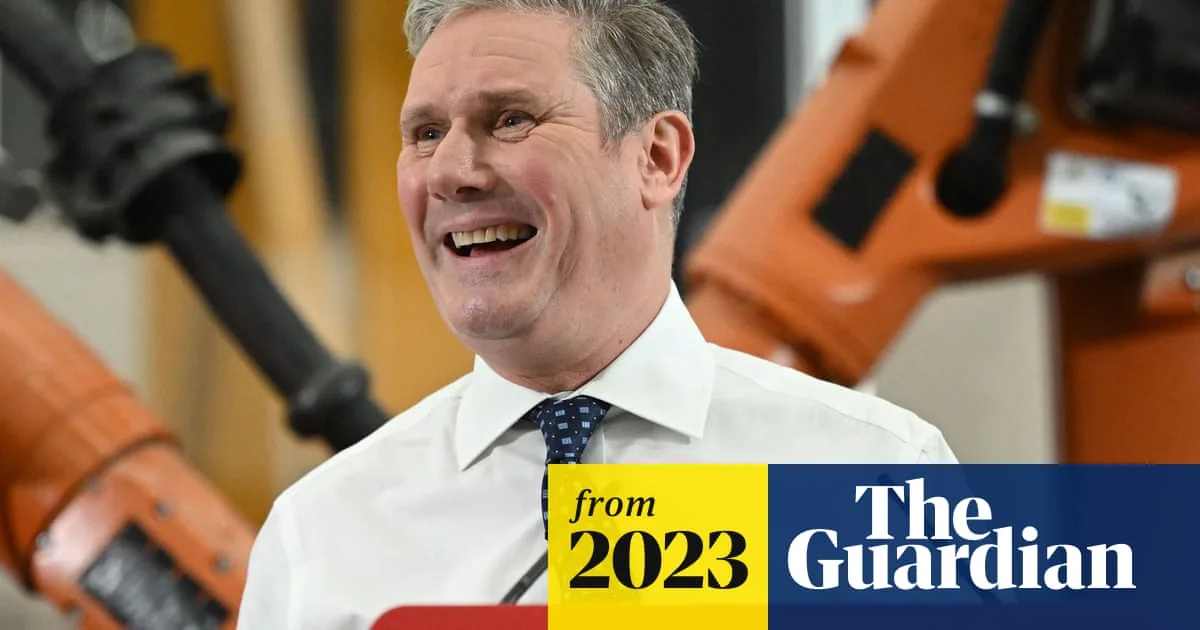
Labour leader Sir Keir Starmer has pledged to launch a 'take back control' bill in his party's first term if it wins the next election, aiming to devolve sweeping powers to local communities. In a speech setting out his vision for a future Labour government, Starmer promised a major push to shift power away from Westminster, describing it as an 'end to sticking-plaster politics'.
Starmer argued that the answer to problems plaguing Britain's public services was not to open the 'big government chequebook' but to stop power being hoarded by a handful of people in Westminster. Referring to the Brexit vote and the push for Scottish independence, he said it was 'not unreasonable for us to recognise the desire of communities to stand on their own feet'. He added: 'We will embrace the 'take back control' message, but we'll turn it from a slogan into a solution.'
The proposed devolution would cover employment support, transport, energy, climate change, housing, culture, childcare provision and how councils run their finances. Communities would also gain a new right to request powers beyond that. Starmer's drive reflects a desire to improve public services while sticking to relatively strict spending constraints, saying: 'We won't be able to spend our way out of their mess.'
Both main parties have put devolution at the heart of their plans, with Michael Gove recently announcing a £1.4bn devolution deal for north-east England. Akash Paun of the Institute for Government said Starmer's analysis was 'pretty sound' but added it remained to be seen how much this would differentiate Labour from the Conservatives. Labour sources say they will be less prescriptive than the government over which powers are devolved.
Starmer also signalled a greater role for the private sector, including in the NHS, saying he was 'relaxed' about business involvement. He promised a 'decade of national renewal' and an 'active state working in partnership with private business'. Sharon Graham of the Unite union expressed concern that Labour's approach must not lead to further austerity.




