
Indonesia has delayed publication of a series of controversial history books after historians and activists accused the government of attempting to whitewash past atrocities, describing the project as “historical amnesia”. The 10-volume “official history” set, announced in May by Culture Minister Fadli Zon, was intended to remove colonial bias and promote a “positive” national narrative. It will now be released in November instead of on Independence Day (17 August).
Critics fear the revised accounts omit significant events, particularly those involving President Prabowo Subianto, who was dismissed from the military in 1998 over allegations of involvement in the kidnappings of pro-democracy activists. Early drafts reportedly gloss over those events and also downplay or omit major human rights violations, including the killings of up to half a million suspected communists between 1965 and 1966, and the mass rapes of ethnic Chinese women during riots that led to the fall of President Suharto in 1998.
The delay follows a backlash from figures including former attorney general Marzuki Darusman, who warned the rewrite risked a return to the tightly controlled narratives of the Suharto era. Activist Ita Fatia Nadia called the project “amnesia history”, an attempt to “whitewash and cleanse” Indonesian history. Historian and opposition MP Bonnie Triyana criticised the project’s secrecy, “flawed methodology” and political bias. In response, the culture minister has defended the process, saying public reviews had been held at four universities and more would follow.
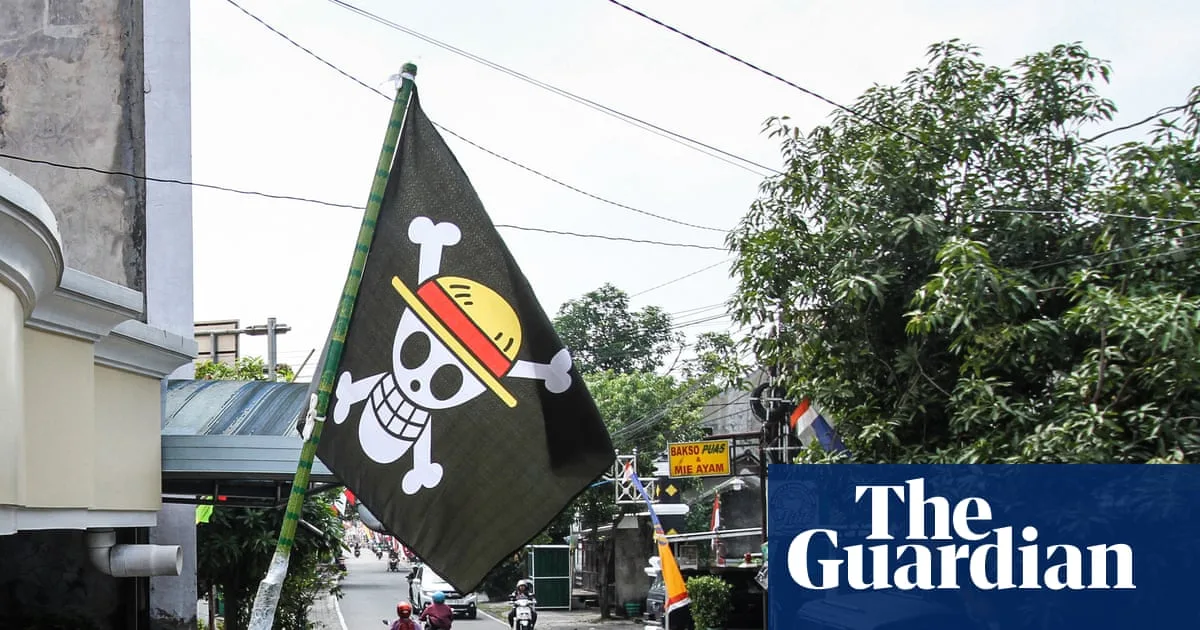
The controversy comes as Indonesia, the world’s third-largest democracy, witnesses a separate protest: ahead of Independence Day, some young people are hoisting black pirate flags, including the “One Piece” Jolly Roger, instead of the national red-and-white flag. The movement is widely seen as a critique of declining democratic freedoms under Prabowo, including attacks on the press and the growing role of the military in civilian affairs. Prabowo has said he has no objection as long as the flags are not raised above the national flag, but parliamentarians and police have expressed outrage.
Researcher Dominique Nicky Fahrizal, of the Centre for Strategic and International Studies, described the flag protest as a “unique tactic for political critique” using a pop culture icon. He added that Indonesia’s democracy was “essentially treading water, if not regressing”, as authoritarian mindsets and tactics moved into the mainstream.




