Ukraine's Urgent Plea for Air Defence as Winter Approaches
President Volodymyr Zelenskyy has made an urgent request for 25 Patriot air defence systems from the United States as Ukraine struggles against relentless Russian aerial assaults that have plunged much of the country into rolling blackouts. The announcement came on Monday 10th November 2025, with Ukraine facing its most severe energy crisis since the conflict began.
Desperate Measures for Air Protection
Zelenskyy openly acknowledged the significant challenges in acquiring such a large number of advanced defence systems, noting both their substantial cost and the years it would take to manufacture them. He proposed an alternative solution where European nations could immediately transfer their existing Patriot systems to Ukraine while awaiting replacement units from the United States.
"We would not like to wait," Zelenskyy emphasised, highlighting the critical nature of Ukraine's current situation. The president did confirm that Germany has recently provided additional Patriot systems, though the exact number currently operating in Ukraine remains undisclosed.
Strategic Shift in Russian Attack Patterns
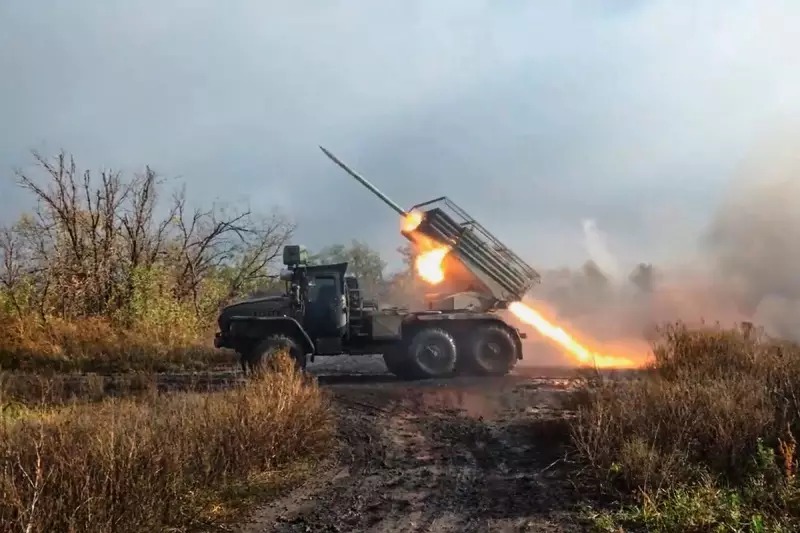
Russian forces have dramatically increased the effectiveness of their energy infrastructure assaults by employing new tactics. They now deploy hundreds of drones simultaneously, many equipped with advanced cameras for improved targeting accuracy. This saturation approach overwhelms Ukrainian air defences, particularly in regions with weaker protection.
Unlike previous campaigns that targeted Ukraine's centralised national grid, Russian strikes now focus systematically on regional infrastructure. They methodically attack local switchyards and substations region by region, causing cascading failures across the energy network.
Ukraine's Energy Ministry confirmed on Monday that recent Russian attacks had inflicted further damage to power infrastructure, necessitating scheduled blackouts across most regions. Officials have urged citizens to ration electricity consumption, especially during peak morning and evening hours.
Battlefield Pressure and International Context
The energy crisis coincides with intense fighting in eastern Ukraine, where Russian forces have assembled approximately 170,000 troops for a renewed offensive aimed at capturing the strategic stronghold of Pokrovsk in the Donetsk region. According to the Institute for the Study of War, there has been a temporary lull in fighting, though analysts anticipate Russian forces will accelerate their attacks in coming days as they deploy additional troops to the city.
International peace efforts have largely dissipated nearly four years after Russia's initial invasion. NATO continues coordinating regular deliveries of substantial weapons packages to Ukraine, with European allies and Canada purchasing much of this equipment from the United States. The current Trump administration has notably diverged from previous policy by not providing direct arms shipments to Ukraine, unlike the preceding Biden administration.
With Ukraine's air defences stretched dangerously thin across vast territories and winter conditions intensifying, the provision of reliable heating and running water has become an acute concern for millions of civilians. The situation represents one of the most severe tests of Ukraine's resilience since the conflict began.