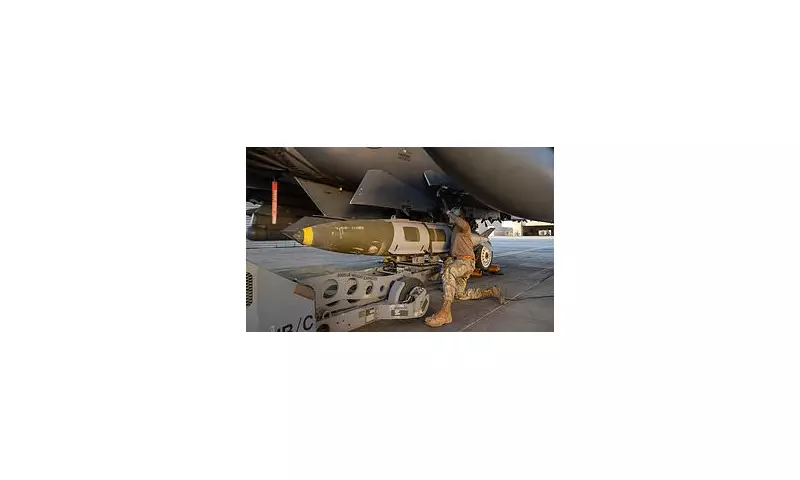
The United States, with support from Jordan, has executed a significant retaliatory air campaign against Islamic State (ISIS) targets in Syria. The operation, dubbed Operation Hawkeye Strike, was launched in direct response to a deadly attack on an American convoy the previous week.
Operation Hawkeye Strike: A Vengeful Response
On Friday, US forces struck 70 Islamic State targets across central and north-eastern Syria. The coordinated assault focused on ISIS fighter compounds, weapon storage facilities, and other critical infrastructure. Jordanian fighter jets provided support, conducting strikes in southern regions of the country.
The action was a direct retaliation for an incident on December 13 in the town of Palmyra. A suspected ISIS member attacked a US convoy, killing two National Guard soldiers and an American civilian interpreter. The fallen soldiers were identified as Sgt Edgar Brian Torres Tovar, 25, and Sgt William Nathaniel Howard, 29. Three other American troops were wounded in the ambush.

Political and Military Statements
Speaking at a rally in North Carolina following the operation, former President Donald Trump declared he had "ordered a massive strike on the terrorists that killed our three great patriots." He added that the US had hit "every site flawlessly" and was restoring peace through strength.
In a stark social media post, Defense Secretary Pete Hegseth framed the operation not as the start of a new war, but as a "declaration of vengeance." He warned: "If you target Americans – anywhere in the world – you will spend the rest of your brief, anxious life knowing the United States will hunt you, find you, and ruthlessly kill you."
Regional Dynamics and Broader Context
The Syrian government, while not directly involved in the strikes, expressed its full support for the action. A foreign ministry statement reiterated Damascus's commitment to fighting ISIS and denying it safe haven. Analysts suggest the Palmyra attack has pressured the Syrian regime to increase cooperation with international partners, including the US and Jordan.
Jordan's participation is driven by its own history with the terror group. The kingdom has been a steadfast ally in the coalition against ISIS since 2015, when one of its pilots was brutally executed by the militants.
Approximately 1,000 US troops remain stationed in Syria as part of the ongoing mission to counter ISIS. Although the group has held no formal territory since 2018, it continues to carry out sporadic, deadly attacks. The US has vowed that Operation Hawkeye Strike is not an isolated event, promising continued assaults on the terror network.