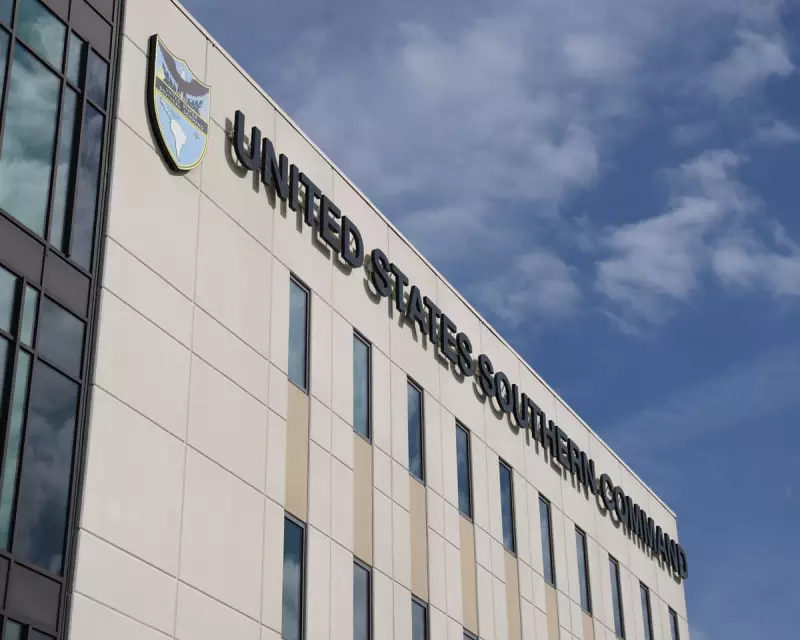
The United States military has confirmed a new series of lethal strikes targeting vessels suspected of smuggling narcotics in international waters. The operation, conducted by US Southern Command (SouthCom), resulted in the deaths of eight individuals aboard three boats in the Eastern Pacific.
Details of the Deadly Engagement
In a statement released on social media platform X on Monday, US Southern Command stated that intelligence had confirmed the vessels were transiting known narco-trafficking routes and were actively engaged in illicit drug trafficking. The command posted black-and-white footage showing the boats moving through the water before being destroyed by large explosions.
This latest action is part of a significant escalation in maritime interdiction efforts under the Trump administration. To date, more than 20 vessels have been struck in the Pacific and Caribbean near Venezuela, leading to the deaths of at least 90 suspected drug smugglers.

A Controversial and Escalating Strategy
The use of military force to attack suspected drug smuggling vessels represents a stark shift in policy. This aggressive tactic has drawn increasing scrutiny from legal experts and human rights advocates, with many arguing the strikes constitute unlawful extrajudicial killings.
The Pentagon has moved to defend the operations. Earlier this month, press secretary Kingsley Wilson asserted that "our operations in the SouthCom region are lawful under both US and international law, with all actions in compliance with the law of armed conflict."
Fentanyl Designated a 'Weapon of Mass Destruction'
The military strikes followed an executive order signed by President Trump earlier on Monday, which formally designated the synthetic opioid fentanyl as a "weapon of mass destruction." This move symbolises the administration's hardening approach, framing the fight against drug smuggling as a national security issue requiring militarised solutions.
The combination of the executive order and the deadly naval engagements underscores a clear and controversial pivot in US drug enforcement policy, moving it firmly into the realm of armed conflict with significant legal and ethical questions remaining unanswered.