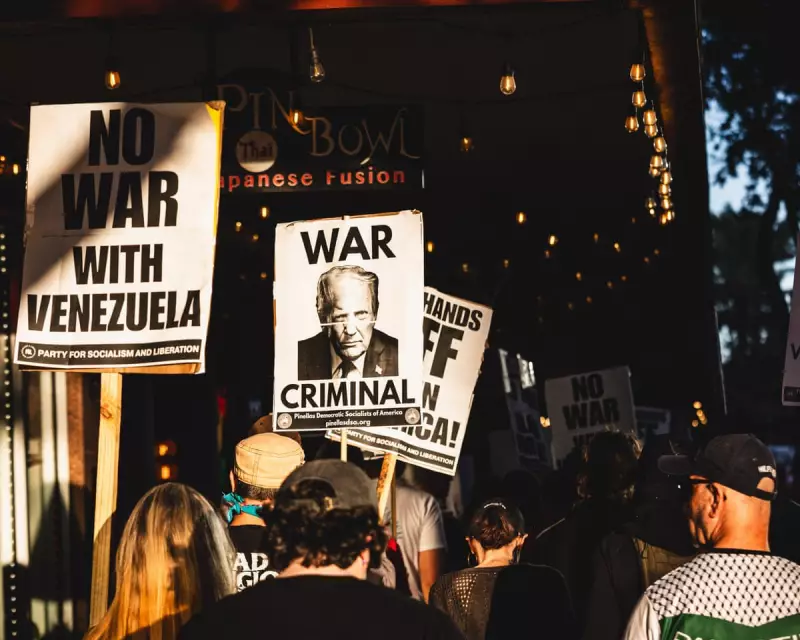
Allegations of war crimes and extrajudicial killings are mounting against the Trump administration following a series of deadly US military strikes on small boats in the Caribbean and eastern Pacific.
A Deadly Pattern of Engagement
According to investigations, the US military has conducted 22 separate strikes on vessels it claims were trafficking drugs. These operations have resulted in the deaths of at least 87 people. The issue was thrust into the political spotlight after a Washington Post probe into the first such incident on 2 September.
That initial attack involved a controversial "double tap" strike. Reports indicate US forces hit a target boat, then launched a second strike that killed two survivors who were clinging to the wreckage. The Post alleged that Defence Secretary Pete Hegseth issued a verbal command to "kill them all," a claim Trump loyalists have denied.

Legal and Moral Quagmire
The operations have sparked intense congressional scrutiny, with even some Republican lawmakers expressing unease. The core legal objection centres on the US Defence Department's own Law of War manual, which explicitly states that the wounded, sick, or shipwrecked "shall be respected and protected in all circumstances."
Legal experts argue the administration is operating in a grey zone of its own making. Sarah Yager of Human Rights Watch told the Guardian that a president "can't just make up a conflict." The administration defends the strikes by labelling drug traffickers as part of a "designated terrorist organisation" and treating the long-standing "war on drugs" as an actual theatre of war.
However, critics counter that the small, often defenceless boats pose no conventional military threat and should be handled as a policing matter involving interception and arrest, as under previous administrations.
Broader Geopolitical and Ethical Concerns
The controversy over the Caribbean strikes is set against a wider backdrop of alarm regarding the Trump administration's foreign policy. European allies have grown increasingly concerned by its approach to the Ukraine war, particularly after the unveiling of a peace plan that closely mirrored Kremlin interests.
A Wall Street Journal investigation suggests the driving force behind these diplomatic manoeuvres may be financial. Negotiations involving Trump's personal envoy, Steve Witkoff, and a Putin-appointed counterpart reportedly centre on a grand bargain to reintegrate Russia's $2tn economy, offering US businesses access to frozen assets and Arctic mineral wealth.
This blurring of lines between national interest and private gain is a recurring theme. The case of Jared Kushner's investment fund receiving billion-dollar infusions from Gulf states he once negotiated with as a White House official is cited as a prime example. A meeting on a Sardinian superyacht between Witkoff and a UAE royal, following a $2bn investment in a Trump-linked cryptocurrency firm and a subsequent White House decision to grant the UAE access to restricted AI chips, further fuels accusations of transactional diplomacy.
The response from Defence Secretary Hegseth to the growing scandal—posting a mocked-up children's book cover titled "Franklin Targets Narco Terrorists"—has been dismissed by critics as grotesquely flippant given the gravity of the allegations.
As congressional inquiries proceed, the administration faces a damning dual charge: not only of potential legal corruption through bribery and self-dealing, but of a deeper corrosion of moral and legal standards that once governed the use of lethal force and the conduct of international relations.