In a move set to dramatically heighten geopolitical tensions, the administration of US President Donald Trump has formally approved a colossal package of arms sales to Taiwan. The deals, with a total value exceeding $10 billion, were confirmed by the State Department on Wednesday, 18 December 2025.
Breaking Down the Multi-Billion Dollar Package
The substantial military aid package comprises several major agreements. A central component is the sale of 82 High-Mobility Artillery Rocket Systems (HIMARS) alongside 420 Army Tactical Missile Systems (ATACMS). This specific arsenal, valued at over $4 billion, mirrors systems previously supplied by the United States to Ukraine for its defence against Russian forces.
Further bolstering Taiwan's artillery capabilities, the package includes 60 self-propelled howitzer systems and associated equipment, carrying another price tag of more than $4 billion. The modernisation effort extends to the aerial domain, with unmanned aerial vehicles – drones – accounting for over $1 billion of the total.

Additional Systems and Software
Beyond the major hardware, the sales encompass a range of other critical military assets. These include:
- Military software valued at more than $1 billion.
- Javelin and TOW anti-tank missiles worth over $700 million.
- Helicopter spare parts with a value of $96 million.
- Refurbishment kits for Harpoon missiles, priced at $91 million.
Diplomatic Fallout and Regional Implications
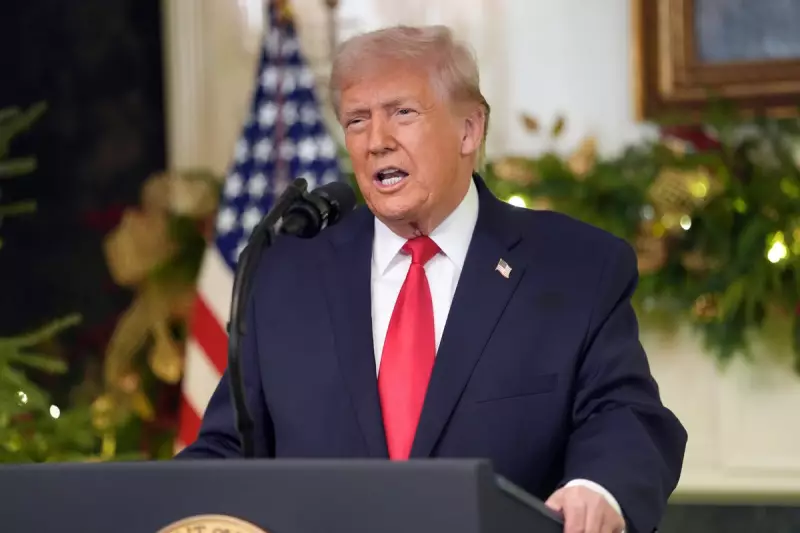
The announcement, made during a nationally televised presidential address where President Trump gave little focus to foreign policy, is guaranteed to provoke a fierce reaction from Beijing. China views Taiwan as a breakaway province and consistently opposes any foreign military support for the island, considering such actions a grave infringement on its sovereignty.
This $10 billion arms sale represents a significant escalation in US support for Taipei's defence and is poised to become a major flashpoint in the already strained relations between Washington and Beijing. The deal underscores the ongoing strategic competition in the Indo-Pacific and raises immediate questions about China's potential retaliatory measures.