
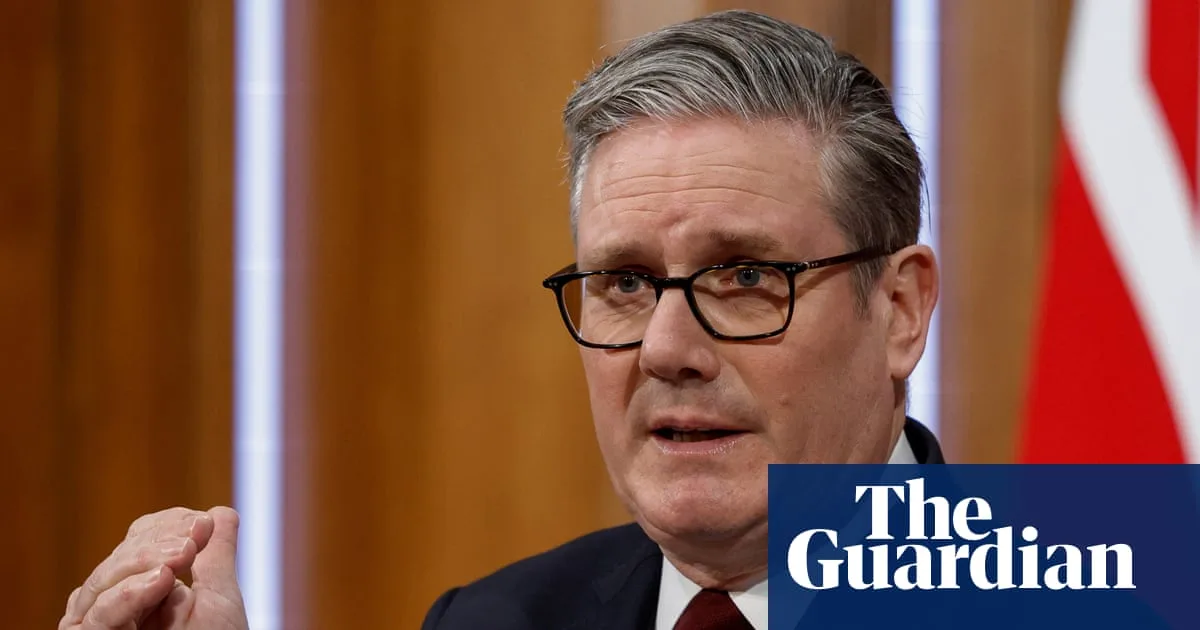
Prime Minister Keir Starmer has insisted that the UK will not be drawn into the wider war in the Middle East, as European leaders ruled out sending warships to the Strait of Hormuz. In his clearest signal yet of divergence from US President Donald Trump's attack on Iran, Starmer said the decision was "difficult, there's no hiding that" but that Britain would stand firm.
Trump criticised Starmer's refusal to provide minesweepers, saying he was "very surprised" and "not happy" with the UK. Starmer told a Downing Street press conference he was "looking through the options" after a phone call with Trump, but stressed that while taking necessary action to defend allies, "we will not be drawn into the wider war."
Ministers are drawing up plans to send aerial minesweeping drones to help clear the strait, amid concerns that sending ships could escalate the crisis. Britain's last minesweeping vessel in the region, HMS Middleton, left Bahrain for maintenance days before the war began, sparking a government row over preparedness.
Iran's threat to target ships using the strait—through which a fifth of the world's oil normally passes—has sent oil prices soaring from about $65 to over $100 per barrel, with economists predicting higher inflation and lower growth. Starmer announced £53m in support for lower-income households reliant on heating oil to help with bills.
Starmer said his refusal to join the initial US offensive was based on "principles" and a "calm, level-headed assessment of the British national interest." He said the UK was working with allies on a plan to reopen the shipping lane, but gave no indication it was imminent, adding: "We cannot allow the war in the Gulf to turn into a windfall for Putin."




