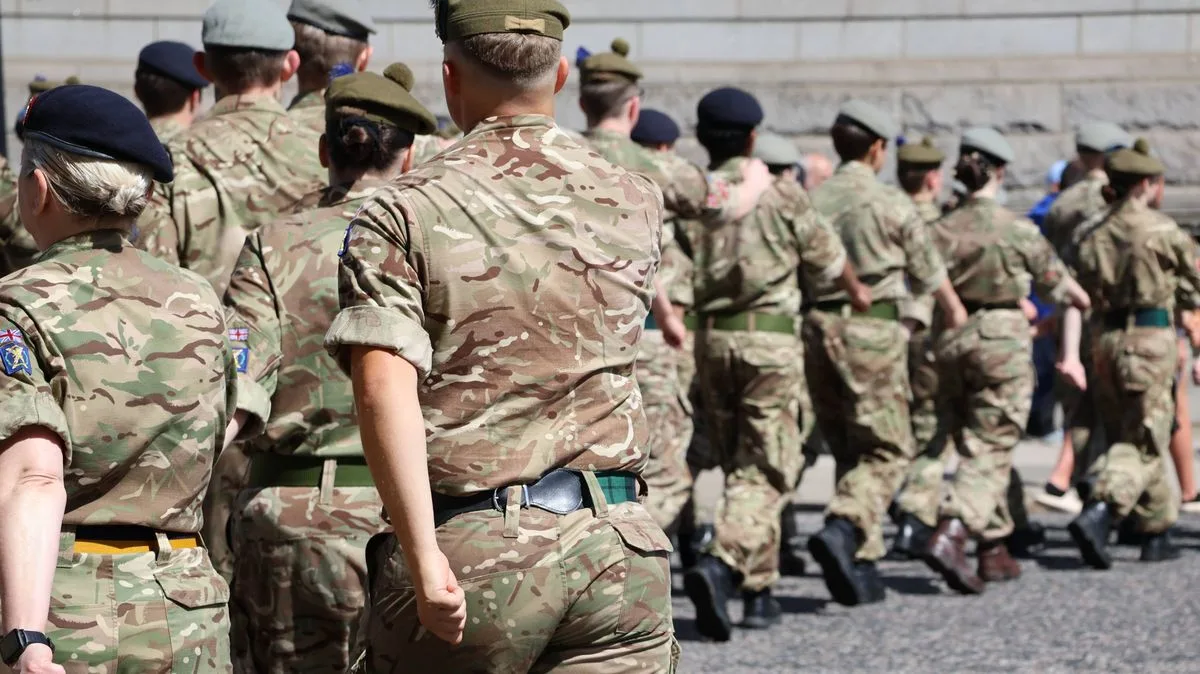
UK Conscription Could Target Unemployed Graduates While Exempting Key Workers
UK Conscription May Target Graduates, Exempt Key Workers

As the conflict between Iran and coordinated US-Israeli forces intensifies, raising global tensions to unprecedented levels, discussions about potential conscription in the United Kingdom have gained urgency. The devastating retaliatory strikes by Iran across Middle Eastern territories, including popular destinations like Dubai frequented by British nationals, have amplified fears of the conflict escalating into a broader global confrontation.

Historical Context and Modern Implications

Conscription, the mandatory enlistment of citizens into military service by government decree, has been implemented only twice in the UK over the past 126 years. The first instance occurred from 1916 to 1920 during World War I, followed by a second period from 1939 to 1960 encompassing World War II and the subsequent Cold War era. The current Iran crisis, marked by the killing of Iranian leader Ali Hosseini Khameini in weekend bombardments and subsequent widespread retaliatory attacks, presents a dramatically different geopolitical landscape for considering such measures in 2026.

Targeted Conscription Strategy

Historian and author David Swift has provided exclusive insight into how contemporary conscription might be structured should Britain require rapid military mobilization. Swift indicates that any conscription policy would likely focus initially on one specific demographic group while granting exemptions to workers in two crucial sectors.

"Today, since there is such an urgent need to rebuild Britain's defence industries and industrial capacity, I would expect that people in these important occupations would be exempt," Swift explained. "Or even that people could be 'conscripted' into working in these industries, and that military conscription would target unemployed graduates - this would be very popular with lots of people and especially the Blue Labour thinkers behind Starmer."

Military Readiness Concerns

These observations emerge against a backdrop of significant concern about the current state of British military preparedness. Retired Army major and military historian Robert Lyman recently warned that the British Army is in its most weakened condition in over seven decades, potentially since the Napoleonic wars of the early 19th century.

"Our armed forces have never been so denuded of power since the Napoleonic wars," Lyman stated. "It's really hard to describe how poorly-prepared we are - we have an Army that is probably smaller than it was during the Napoleonic wars."

Lyman challenged contemporary military thinking that emphasizes technological solutions over traditional force strength: "We all talk about the need for technology and how cyber and drones will win the next war. All of that is palpable nonsense. The way that wars are won are by mass of intelligence, infantry, armour and artillery, well-coordinated using technology to assist them. You can't win wars using small armies."

Strategic Considerations

The potential targeting of unemployed graduates for military conscription while exempting defence and industrial workers reflects strategic priorities in a modern conflict scenario. This approach would address both military manpower needs and critical homefront industrial production simultaneously. The exemption of workers in defence industries and essential manufacturing sectors acknowledges their vital role in sustaining military capabilities and national infrastructure during prolonged conflict.

As smoke continues to billow over Tehran from ongoing strikes and Middle Eastern territories experience devastating attacks, the UK faces complex decisions about military preparedness and potential citizen mobilization. The historical precedent of conscription, combined with contemporary geopolitical realities and expert assessments of military readiness, creates a multifaceted challenge for British defense planning amid escalating global tensions.




