Pirates Return to Somali Waters After 18-Month Hiatus
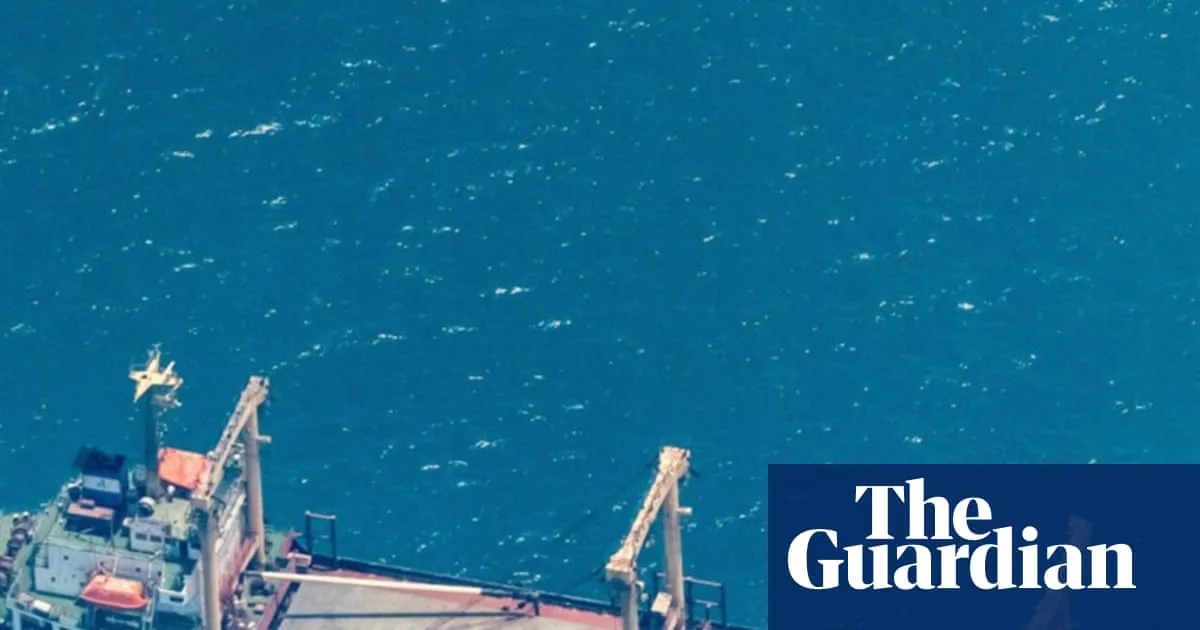
In a concerning development for international maritime security, Somali pirates have successfully hijacked a commercial vessel for the first time in eighteen months. The Malta-flagged tanker Hellas Aphrodite, carrying gasoline from South Africa to India, was boarded this week following multiple pirate attacks according to its owner, Latsco Marine Management Inc.
EU Naval forces reached the vessel on Friday and confirmed that all crew members remained safe despite the harrowing ordeal. This incident represents the first successful boarding since the Liberian-flagged Basilisk was hijacked in May 2024 approximately 380 nautical miles east of Mogadishu.
Growing Concerns About Pirate Resurgence
The UK Maritime Trade Operations centre reported another close call on Friday, where a different vessel successfully outran a pirate attack in the same region. Security experts now warn that Thursday's seizure could herald further assaults in the strategically important shipping lanes.
Timothy Walker, a senior maritime researcher at the Institute of Security Studies, told The Associated Press: "What we are seeing is also increasing reports of pirate groups hijacking vessels and recruiting new pirates, as well as arming themselves."
Walker identified several contributing factors to the renewed threat: "Those were major signs that attacks were likely, with the fact that there was less deterrence than before, and some have taken the chance and succeeded with some of the attacks."
Historical Context and Modern Challenges
The roots of Somali piracy trace back to the brutal civil war that began in the 1980s and briefly paused in 1991. The conflict, which arose from opposition to the Siad Barre-led military junta, fractured the East African nation, leaving it with multiple armed groups controlling different territories.
The disbandment of the Somali Navy created undefended territorial waters, which foreign vessels exploited for industrial waste dumping. Local fishermen initially banded together for protection but gradually evolved into armed groups that began kidnapping crew members for ransom in the early 2000s.
Piracy reached its peak in 2011 with 243 recorded hijackings, though the frequency had significantly decreased in recent years. While exact figures remain elusive, UN agencies confirm that pirates have collected hundreds of millions of dollars in ransom payments. In April 2024 alone, Bangladeshi owners SR Shipping Lines paid $5 million to secure the release of MV Abdullah.
Threat to Global Commerce and Countermeasures
The strategic location of Somalia along key global shipping routes makes piracy there a severe threat to the world economy. Military authorities and international agencies have struggled for decades to counter the problem, hampered by the vastness of the Indian Ocean and Gulf of Aden.
Somali pirates have demonstrated the capacity to operate approximately 1,000 kilometres from shore by using mother ships that launch smaller skiffs into deep waters. Their typical approach involves confronting vessels with heavy ammunition to slow them down, then boarding using light ladders before moving captured ships toward Somalia for ransom negotiations.
Analysts note that coastal patrolling has been neglected as Somalia's fractured government focuses on battling internal armed groups. Walker emphasised the fundamental challenge: "That is why you can have as much protection at sea, but if you are not preventing pirates from forming groups offshore and launching attacks, you are not really able to stem the problem. You are only dealing with the symptom."
International efforts to combat piracy include the UN Monitoring Group on Somalia, established in 2003 to document arms embargo violations, and coalitions such as the European Naval Force Somalia and NATO's Standing Group. More recently, Turkey and Somalia signed a 10-year defence and economic cooperation deal that includes combating piracy and building a Somali naval force.




