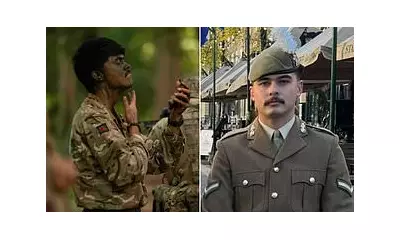
Remembrance Hypocrisy: SAS Veterans Targeted Decades After Loughgall
As the nation prepares to honour its war dead this Remembrance Sunday, a stark contrast is emerging between the government's words of gratitude and its actions towards military veterans. The solemn promise to never forget those who fought to defend our freedom, recently echoed by David Lammy at PMQs, rings hollow for the ageing SAS soldiers now facing a fresh legal ordeal.
The Loughgall Operation: A Successful Mission Under Scrutiny
At the heart of this controversy lies the events of May 1987 in Loughgall, County Armagh. An heavily armed IRA gang attempted to carry out mass murder by driving a digger loaded with explosives into a remote police station. SAS troops lying in wait courageously fought back, resulting in the deaths of eight terrorists in what remains regarded as the most successful anti-paramilitary operation of The Troubles.
Multiple inquiries have previously exonerated the soldiers involved. Yet now, nearly four decades later, ministers have resurrected plans for an inquest that could see veterans - all now in their 70s and 80s - hauled before the courts to explain their actions once more.
The Human Rights Law Controversy and Its Consequences
The potential consequences for these elderly veterans are severe. If a coroner rules the deaths were unlawful - based controversially on human rights law that did not exist at the time - they could face prosecution. This legal approach raises fundamental questions about applying contemporary standards to historical conflicts.
Critics argue this represents a perversion of justice that panders to Irish Nationalist lobbying efforts seeking to rewrite history by portraying the IRA as victims and the Army as villains. The eagerness to pursue elderly soldiers stands in stark contrast to the treatment of former terrorists who received secret letters granting them immunity from prosecution.
Broader Implications for Military Service and Recruitment
This development comes at a particularly sensitive time, both with Remembrance Sunday approaching and while the government seeks to boost Armed Forces recruitment. Allowing such 'lawfare' to be used as a weapon against ex-servicemen has deep repercussions for military morale and national security.
As one defence analyst noted, 'Who would now sign up to wear the uniform - or dare to pull a trigger to defend us - knowing they might face prosecution decades later for actions taken in the heat of conflict?'
Political Fallout and Ethical Questions
The controversy extends beyond defence matters into political ethics. While Labour ministers will stand solemnly at the Cenotaph tomorrow honouring those who served, their government's actions tell a different story. The Attorney General, Lord Hermer, previously represented former Sinn Fein president Gerry Adams in court, raising questions about potential conflicts of interest.
This situation forms part of a broader pattern concerning the government's approach to ethical standards. Having pledged to clean up politics, Sir Keir Starmer has already lost multiple ministers over various offences including tax-dodging and corruption allegations. Most recently, Culture Secretary Lisa Nandy breached ethics rules by failing to declare donations from a media executive she later appointed as the new football regulator.
As the nation pauses to remember its fallen heroes this weekend, many will question whether the current government's treatment of living veterans truly honours their sacrifice or represents a profound betrayal of those who risked everything to protect our country.