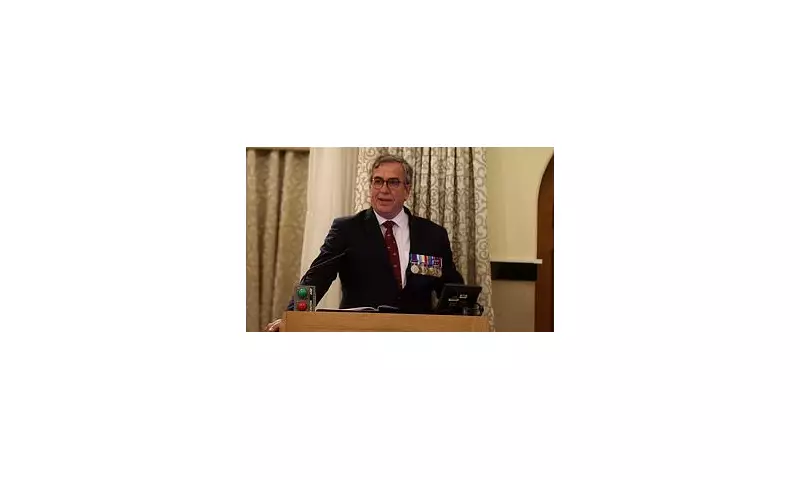
A decorated SAS veteran has issued a stark warning that the United Kingdom could be placed 'in peril' if the government continues to pursue prosecutions of special forces soldiers for historic allegations related to the Northern Ireland Troubles.
Veteran's Dire Warning on Recruitment and Morale
Robert Craft, 68, who served for 14 years in the SAS's renowned B Squadron, stated that the threat of historic investigations is causing a severe crisis in elite force recruitment and retention. He revealed that the number of SAS operatives is 'dwindling significantly' due to a lack of recruits from regular forces and dropping retention rates.
Mr Craft directly linked this decline to the government's new legacy legislation, which has opened the possibility of veterans being tried for actions during past conflicts. 'At such a dangerous time as this, with so many war risks ongoing, the threat from Russia, pressure on the SAS could be putting the UK in peril,' he told the Sunday Mirror. He fears the situation could leave the nation vulnerable if the SAS struggles to deploy sufficient personnel.

The Legal Battle Over Legacy Investigations
The legal landscape for veterans has been turbulent. The Conservative government's Legacy Act of 2023 initially blocked inquests, but last year, courts in Belfast ruled its immunity clause unlawful and incompatible with the European Convention on Human Rights (ECHR).
In response, the government introduced The Northern Ireland Troubles Bill, aiming to create a new framework for addressing Troubles-related deaths. Despite promises of protections, former SAS soldiers in their late 60s and 70s now face investigations into decades-old operations.
'A number of my former colleagues... are facing investigation many years after they have left the Armed Forces, and are now in retirement,' said Mr Craft, highlighting the toll on veterans suffering from PTSD and other mental health issues. He argues the new framework contains gaps and that decision-makers fail to grasp the operational complexities soldiers faced.
Political Promises and Veteran Distrust
Prime Minister Sir Keir Starmer has stated he is 'absolutely confident' the new Bill will not lead to 'vexatious prosecutions' of former soldiers. Labour's legislation, agreed with the Irish Government, seeks to replace the defunct Legacy Act with a reformed Legacy Commission.
However, the SAS Regimental Association has threatened legal action, arguing the Bill offers minimal new protections and could breach veterans' rights under Articles 6 and 8 of the ECHR. Trust has been further eroded by cases like that of Soldier F, a former paratrooper cleared of all Bloody Sunday charges last month after a judge criticised the prosecution's evidence.
Veterans are now calling for legislation to disapply the ECHR and Human Rights Act from troops' actions during active service. A Government spokesperson insisted their 'commitment to our Operation Banner veterans is unshakeable,' citing six new protections developed in consultation with veterans, including anonymity at inquests.
Nevertheless, Mr Craft summarised the core grievance: 'When you treat the soldier and the terrorist as equals you don't strengthen the terrorist but you do disarm the soldier.' This sentiment underscores a deepening rift between the state and its elite forces over how to address the past without compromising future security.