
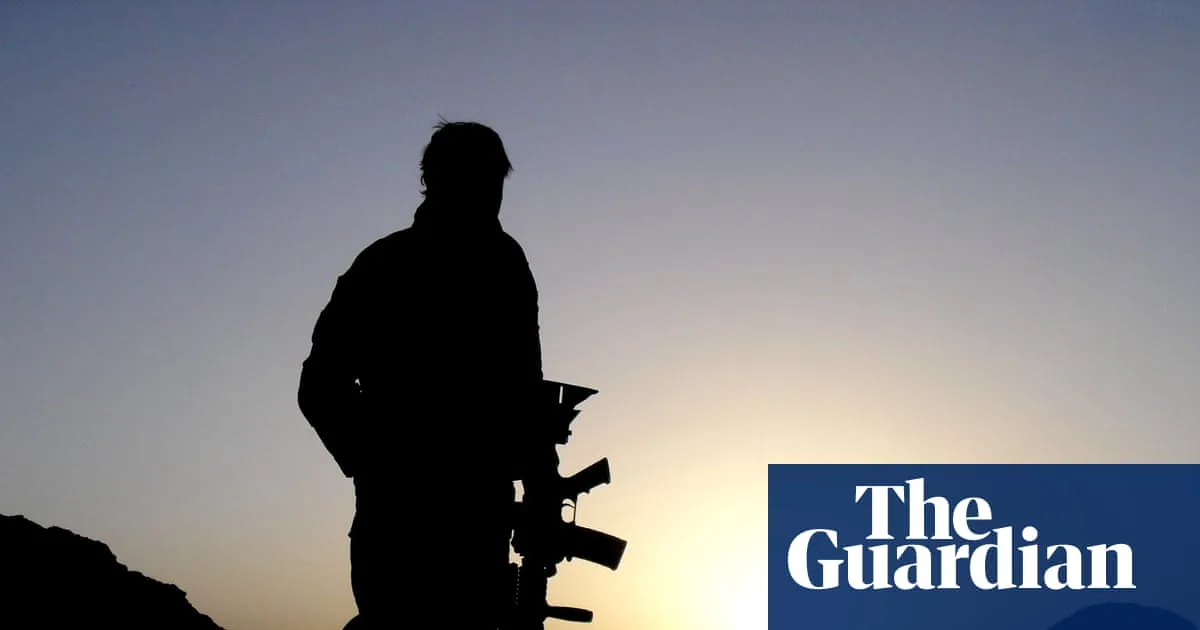
A former director of UK special forces and other senior military officers attempted to conceal concerns that SAS units were committing unlawful killings in Afghanistan, an inquiry has heard. The allegations, described as among the most severe raised at the ongoing probe, suggest extrajudicial shootings continued for two years after being first flagged in early 2011.
The whistleblower, identified only as N1466, told the inquiry that he raised concerns about potential war crimes to the director of special forces in February 2011. He stated: 'We could have stopped it in February 2011. Those people who died unnecessarily from that point onwards, there were two toddlers shot in their bed next to their parents.' The incident is believed to refer to the 2012 shooting of Imran and Bilal, children of Hussain Uzbakzai and Ruqquia Haleem, who were killed during a night raid in Nimruz province.
N1466 alleged that the director ordered a review of tactics, techniques and procedures as a 'fake exercise' to avoid external scrutiny. He said: 'It was blatantly clear from the statistics and the patterns that there was something wrong here... The root problem was the intent [to kill].' After leaving and returning in 2014, he found killings had continued into 2013.
In one raid, special forces shot at a mosquito net until there was no movement; when uncovered, it contained women and children. The incident was allegedly covered up, and the shooter received an award. N1466 expressed regret for not reporting suspicions earlier, saying he 'lost all faith that the chain of command would be minded to support a transparent and accountable investigation.'
The inquiry, led by Lord Justice Haddon-Cave, examines claims that 80 people were summarily killed by three SAS units. N1466 noted a sharp rise in kill-to-weapon ratios, with nine Afghans killed and only three rifles recovered in one raid. He described the actions as 'war crimes,' including taking detainees on raids and executing them, breaching Geneva conventions.




