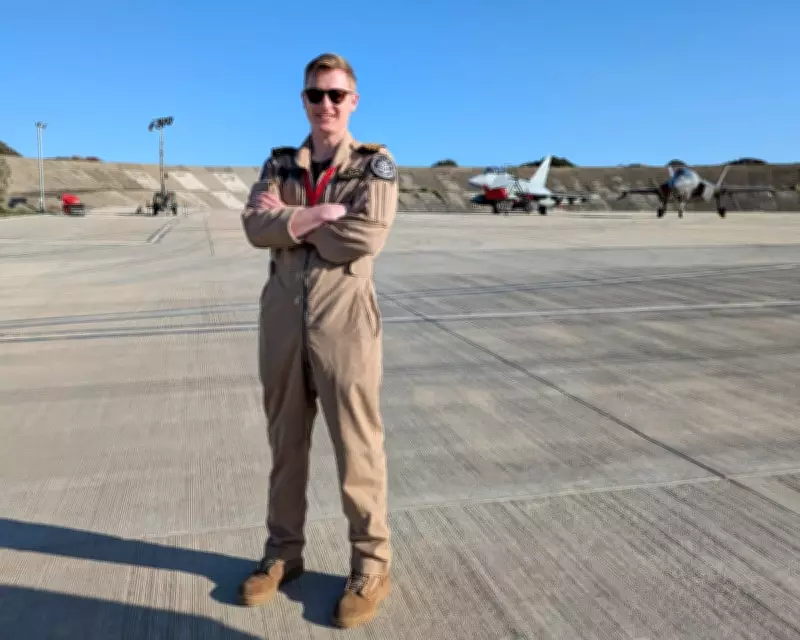
RAF F-35 Pilot Makes History by Downing Iranian Drones in High-Stakes Mission
In the clear skies above Jordan on Monday night, a British F-35 pilot etched his name into the annals of Royal Air Force history. Flying for four hours alongside two Typhoon jets, the pilot detected two Shahed drones on radar and successfully engaged them with Asraam missiles. This marked the first time an RAF stealth fighter pilot has destroyed a target in combat, a milestone achieved under intense pressure.
No Euphoria, Just Duty: The Pilot's Perspective
The pilot, a squadron tactics instructor whose identity remains undisclosed, described the mission as fraught with high stakes. He emphasised the critical need for accurate identification before firing, given the presence of numerous allied assets from the United States and Israel in the operational area. "There's a lot of assets from America, from Israel that are going to and from area of operations. So I'm a little bit more concerned about identifying it first before taking any shots," he explained, noting that coordination with the Typhoons provided sufficient time to ensure precision.
Reflecting on the moment of success, the pilot revealed there was no immediate celebration. "It's not a euphoric sense of success. I just get out the way and get back on to doing the job again," he stated. His focus shifted swiftly to repositioning the aircraft and scanning for additional threats, underscoring the relentless demands of combat aviation.

Challenges and Context: The Cyprus Base Under Threat
The mission originated from RAF Akrotiri in Cyprus, a base that has recently faced direct threats. Just 24 hours prior to the interception, a drone believed to be deployed by the Iranian-backed Hezbollah militia struck the base, targeting a hangar housing US spy planes. This incident is part of broader regional retaliations following US-Israeli strikes on Iran.
The pilot highlighted the technical difficulties of intercepting such drones, noting their small size and low speed made detection and engagement particularly challenging. "Because they're so small and difficult to detect, we don't know if there's any more out there," he said, adding that the drones he engaged were "very different" from the one that hit the base, possibly indicating a different adversary.
High Alert and a Modest Celebration
Amidst this tense environment, the base has experienced three potential missile alerts in the past 24 hours, all of which proved to be false alarms. Defence Secretary John Healey visited troops during this period, highlighting the heightened state of readiness. The pilot described the operational tempo as "pretty high," leaving little time for reflection.
Upon returning to base in the early hours, the pilot and his colleagues shared a single Keo beer, a local Cypriot brew, as a modest mark of the historic achievement. "We have one beer at sunrise and then I had to go to bed because I was on duty the next day," he recounted. He added that a proper celebration would await the conclusion of the ongoing operations, whenever that may be.
This mission not only showcases the advanced capabilities of the RAF's F-35 fleet but also underscores the complex and perilous nature of modern aerial warfare in a volatile region.