Diplomatic efforts to end the war in Ukraine have hit a significant hurdle, with a key envoy for Donald Trump admitting that Vladimir Putin has yet to show genuine interest in peace. The admission comes as the Russian president risked a fresh confrontation with the US by pledging an "uninterrupted supply" of fuel to India during a visit to Delhi.
Putin's Provocative India Visit Amid Diplomatic Strain
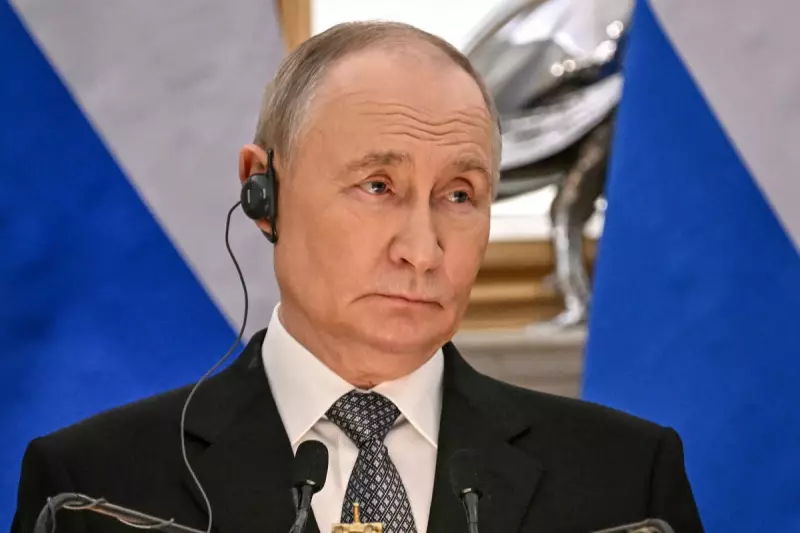
During a summit with Indian Prime Minister Narendra Modi on Friday, Vladimir Putin signed new cooperation agreements and declared Russia ready to provide "uninterrupted shipments" of fuel to India. This move directly challenges pressure from the Trump administration, which has urged allies to stop buying Russian oil in a bid to cripple Moscow's war finances.
The US has already imposed an extra 25 per cent tariff on Indian goods over its continued purchases of Russian energy. Despite this, a joint statement from Modi and Putin asserted that their strategic partnership remained "resilient to external pressure".

This diplomatic provocation unfolded as US special envoy Steve Witkoff and Ukrainian officials held a third day of security talks in Florida. A statement from the negotiations stressed that any "real progress toward any agreement depends on Russia's readiness" to commit to long-term peace.
Overnight Barrage and Stalled Negotiations
As diplomats talked, violence escalated on the ground. In the early hours of Saturday, Russia launched one of its largest combined assaults in recent months. Ukraine's air force reported 653 drones and 51 missiles were fired in a wide-reaching attack, triggering air raid alerts across the country.
Ukrainian defences managed to shoot down 585 drones and 30 missiles, but 29 locations were still struck. The attack targeted energy infrastructure in eight regions, causing blackouts, according to Ukraine's energy ministry. A railway hub near Kyiv was also damaged.
The head of the Ukrainian armed forces, General Oleksandr Syrskyi, told Sky News that it would be "unacceptable" for Ukraine to "simply give up territory" in any future peace deal. He defined a "just peace" as one "without preconditions, without giving up territory", suggesting a halt along the current line of contact.
Military Shifts and European Warnings
The nature of the conflict continues to evolve, with technology reshaping roles on the battlefield. There is a noted trend of more Ukrainian women taking up combat positions, particularly as operators of first-person view (FPV) drones, a shift enabled by new warfare technologies.
Meanwhile, a leading Russia expert, Keir Giles, has issued a stark warning to Europe. He argues that the continent must stop its "magical thinking" and urgently prepare for the possibility of a wider conflict with Russia, stating that European leaders are still seen in Moscow as a "soft target".
As the war grinds on, the gap between diplomatic gestures and military reality appears wider than ever. With Putin strengthening ties with partners like India and showing no sign of territorial compromise, the prospect of a near-term breakthrough in peace talks remains distant.