

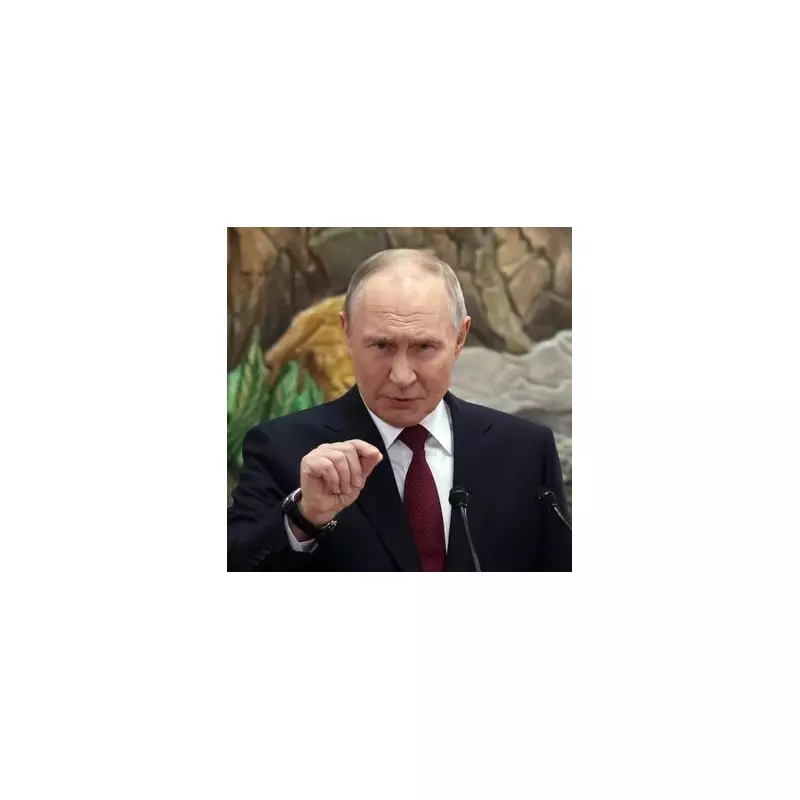
Vladimir Putin has long been accused of orchestrating the brutal silencing of his most prominent critics, with a grim catalogue of deaths officially labelled as accidents or suicides. As a fresh inquiry examines the 2018 Novichok poisoning in Salisbury that killed British woman Dawn Sturgess, the alleged tactics of the Russian leader and his security apparatus have come under renewed scrutiny.
The Salisbury Attack and British Soil
The use of a military-grade nerve agent on UK territory marked a stark escalation. In March 2018, former Russian double agent Sergei Skripal and his daughter Yulia were found critically ill in Salisbury. They survived, but the attack had deadly collateral damage. Months later, Dawn Sturgess, a 44-year-old mother of three, died after spraying what she believed was perfume from a discarded bottle. It contained a "significant amount" of Novichok. Her partner, Charlie Rowley, and police officer Nick Bailey were also seriously injured. The UK government blamed Russian intelligence, accusations Moscow denies.
Signature Strikes: Poison, Punches, and Plane Crashes
The methods attributed to Kremlin operatives are varied and often brazen. Anti-corruption campaigner Alexei Navalny was poisoned with Novichok in August 2020 but survived after treatment in Germany. Upon returning to Russia, he was imprisoned and died suddenly in an Arctic penal colony in February 2024, aged 47. A year later, his wife Yulia Navalnaya stated analysis of smuggled samples proved he was "murdered".

Russian exile Vladimir Osechkin told The Times that sources indicated Navalny was killed by "a single blow to the heart", describing it as an old KGB method. Others pointed to alleged bruising and exposure to freezing conditions in solitary confinement.
Other high-profile cases include the 2006 poisoning of ex-spy Alexander Litvinenko with radioactive polonium-210 in a London hotel, and the 2015 and 2017 poisonings of British citizen and opposition activist Vladimir Kara-Murza, who survived. Journalist Anna Politkovskaya was shot dead in her Moscow apartment lift in 2006, and opposition leader Boris Nemtsov was gunned down near the Kremlin in 2015.
In August 2023, Wagner Group chief Yevgeny Prigozhin died in a plane crash two months after leading a mutiny against Moscow. US and Western officials suggested the crash was caused by a deliberate explosion.
A Growing Hitlist and UK Warnings
Following Navalny's death, human rights campaigner Bill Browder warned that Putin had "lost all restraint". He told the Mirror he believed at least a dozen people in the UK were at risk of being targeted. "They will focus on high-profile ones," Browder stated, suggesting a potential "international killing spree" against enemies abroad.
Kremlin spokesman Dmitry Peskov has consistently dismissed such allegations as "a complete lie". However, former Kremlin speechwriter Abbas Gallyamov observed: "Putin has demonstrated that if you fail to obey him without question, he will dispose of you without mercy." With the Salisbury inquiry reopening old wounds, the shadow of these alleged tactics continues to loom far beyond Russia's borders.






