
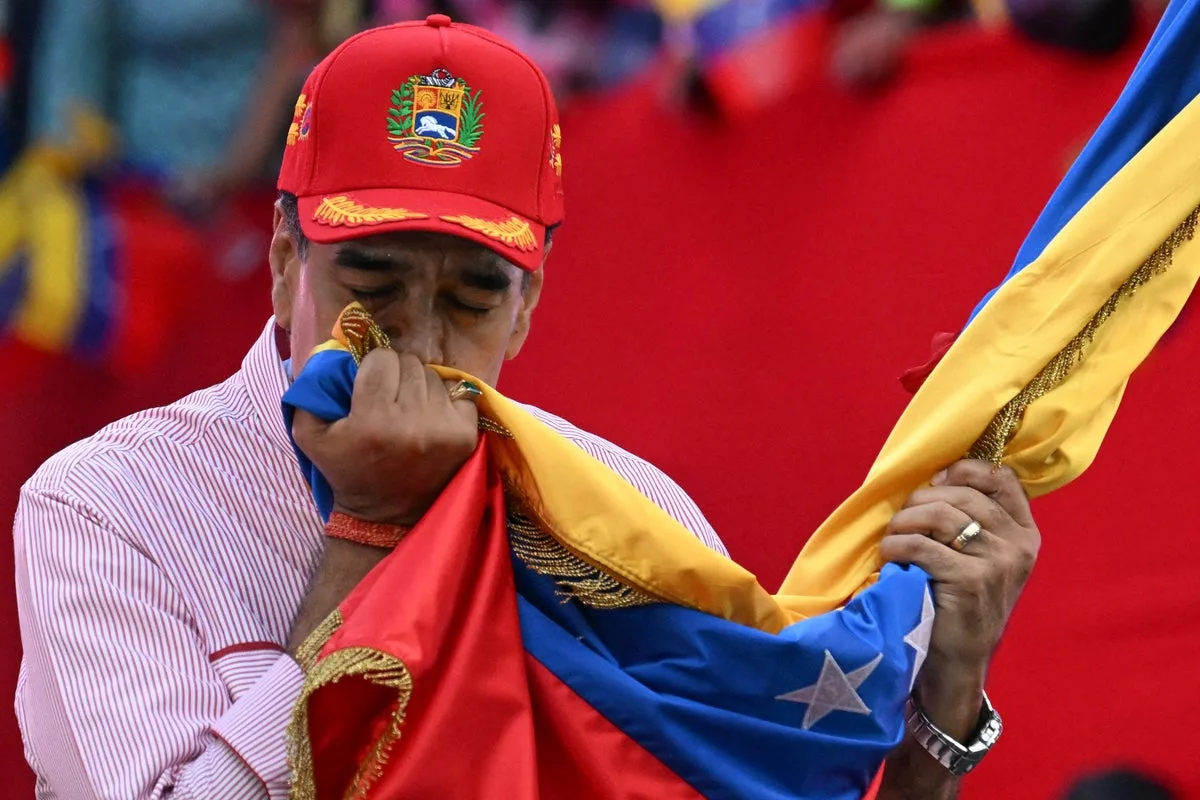
Venezuelan President Nicolás Maduro is reportedly sleeping in different beds each night and frequently changing phones to evade potential US military strikes, according to sources close to his government cited by The New York Times. The measures, intensified since September, come as Donald Trump threatens direct action against Maduro's regime.
Maduro has also expanded his Cuban security detail and brought in additional foreign counterintelligence officers to counter US operations, amid a significant naval buildup off Venezuela's coast. The president's inner circle remains tense and concerned, with no signs of Trump backing down.
Maduro, 63, has limited public appearances recently, sparking speculation he might have fled the country before returning to announce talks with Trump. However, tensions persist, with Trump warning on Tuesday that his administration could attack accused drug traffickers across Latin America 'very soon.'
Trump's administration accuses Maduro of facilitating drug trafficking, which he denies. The US has deployed around 15,000 troops and over a dozen warships to the region under 'Operation Southern Spear.' Despite domestic opposition, the buildup continues, and Venezuela is reportedly preparing guerrilla-style resistance.
US Secretary of War Pete Hegseth addressed reports of a strike on an alleged drug boat that killed survivors, attributing it to the 'fog of war' and denying knowledge of survivors when the order was given.




