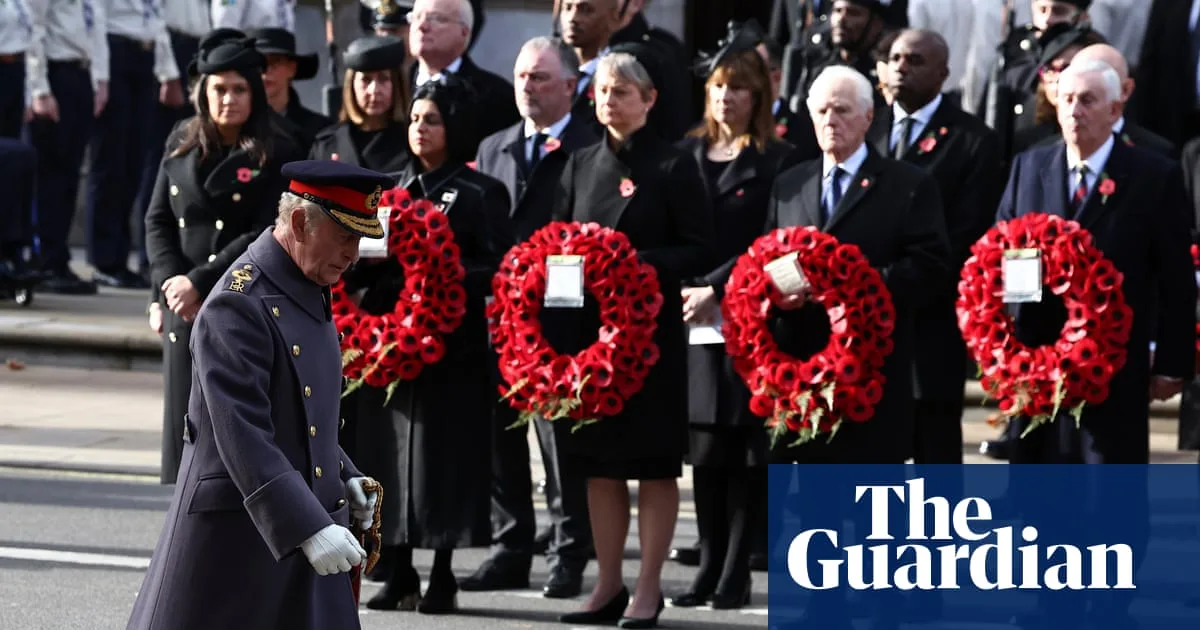
A Nation Remembers: Solemn Ceremony at the Cenotaph
A profound sense of duty and national unity prevailed yesterday as King Charles III led the country in Remembrance Sunday ceremonies at the Cenotaph on Whitehall. More than 10,000 spectators had gathered along the pavements from 8am to pay their respects to the fallen.
The atmosphere grew particularly moving when spontaneous applause broke out following the conclusion of the National Anthem. Many observers felt the timing of this most solemn day in Britain's calendar couldn't have been more appropriate given recent national challenges.
Royal Presence and Political Unity
The King's leadership at the ceremony came after what sources describe as a trying fortnight for the monarch, during which he made the unprecedented decision to strip his younger brother, Andrew Mountbatten Windsor, of his royal titles.
The royal delegation, led by the King and followed by Princes William and Edward, entered Whitehall shortly before 11am, just as the sun emerged after hours of autumnal chill. The timing coincided perfectly with the Foot Guards Band's performance of Elgar's rousing Nimrod.
Queen Camilla and the Princess of Wales, both dressed in black, watched proceedings from the central balcony of the Foreign and Commonwealth Office. Princess Anne, currently in Australia, observed Remembrance at the Anzac Memorial in Sydney.
Political leaders stood united during the two-minute silence, with Prime Minister Keir Starmer and Tory leader Kemi Badenoch standing side by side. Behind them stood a remarkable gathering of living former prime ministers, creating a visual timeline of British political leadership.
Veterans' Poignant Stories
This year's ceremony held special significance as it marks the 80th anniversary of Victory in Europe and the end of the Second World War. Around 20 veterans who fought Axis forces in 1945 were present, with the oldest being 101-year-old Arthur Oborne.
Flight Sergeant Jack Ruck, celebrating his 100th birthday, participated in the march past for the first time. "I usually watch it on the TV," the visibly moved veteran confessed. "But I wanted to come and pay my respects to the blokes that made this country what it is."
The diminishing number of Second World War veterans was starkly evident - only three D-Day veterans represented the Spirit of Normandy Association, half last year's number.
Following the two-minute silence, which concluded with The Last Post played by buglers of the Royal Marines, the King laid a wreath composed of 41 poppies mounted on black leaves, completed by a ribbon in his royal racing colours of scarlet, purple and gold.
The March Past organised by the Royal British Legion saw 10,000 veterans, many in wheelchairs, process past the Cenotaph to dignified applause that continued for a full hour. The emotional highlight came as veterans individually removed their berets in tribute to fallen comrades when passing the Portland stone monument.
Among the participants was eight-year-old Evie Roots, the youngest member of this year's march, walking in honour of her late father Adam Roots who died in a parachute accident in July 2018.
Supporting the Armed Forces Community
London's black cab drivers played a crucial role in the day's success, collectively donating approximately 1,000 free journeys to help veterans attend the commemoration through the 'Poppy Cabs' initiative.
The Royal British Legion hopes to raise over £50 million through this year's Poppy Appeal to support the Armed Forces community across Britain. Last year alone, the RBL provided welfare support to more than 22,000 people in need.
The ceremony served as a powerful reminder of the importance of remembrance beyond annual wreath-laying - of the ongoing duty to cherish the freedom for which so many made the ultimate sacrifice.




