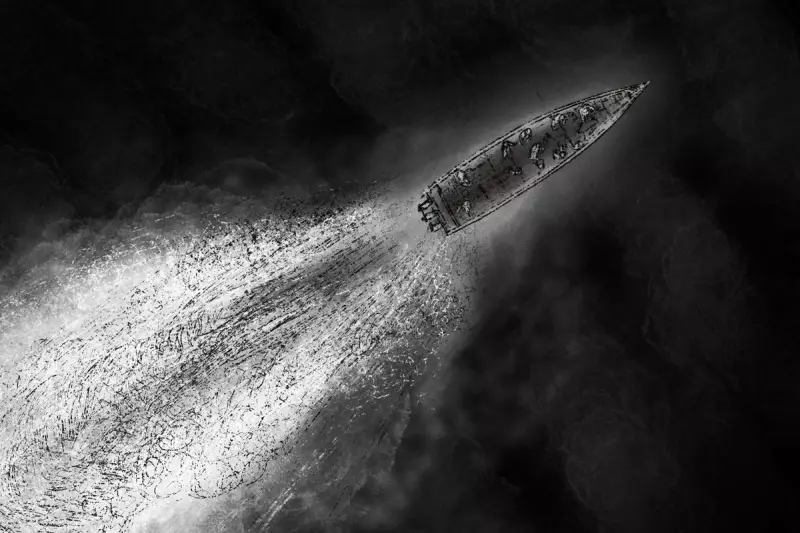
An exhaustive investigation by The Associated Press has uncovered the human stories behind recent US military strikes on alleged drug-smuggling boats off Venezuela's coast, revealing stark contrasts between official accounts and ground realities.
The Investigation That Challenged Official Narratives
Regina Garcia Cano, the journalist behind the groundbreaking report, conducted dozens of interviews in villages along Venezuela's northeastern coast where the targeted boats originated. Her work provides the first comprehensive account identifying some of the men killed in these controversial operations.
Local residents and relatives told a different story from the Trump administration's characterisation of the victims as "narco-terrorists" or cartel leaders. While confirming the men had been involved in drug running, they described them as first or second-time crew members earning approximately $500 per trip rather than high-level operatives.
Profiles of the Victims
Among the nine men killed were a fisherman, a struggling bus driver, a former military cadet, and a local crime boss. Others included labourers and a motorcycle driver - painting a complex picture of individuals drawn into the drug trade by circumstance rather than career choice.
The investigation faced significant challenges, primarily due to sources' genuine fears of punishment from Venezuelan authorities for speaking with journalists. This climate of repression has intensified under President Nicolás Maduro's government, particularly since last year's contested presidential election.
More than 2,000 people were detained following the election, some merely for critical social media posts. Relatives of strike victims proved especially fearful after police and state intelligence agents searched their homes shortly after their loved ones' deaths.
Verification and Lasting Impressions
Garcia Cano and AP video journalist Juan Arraez verified accounts by speaking with multiple people across different communities who knew the men at various life stages. They supplemented these interviews with social media posts and publicly available information to corroborate details.
What left the most lasting impression on the reporter was how the lack of official information continues to affect entire villages. Families cannot properly mourn their loved ones because the Venezuelan government refuses to confirm the deaths and might punish them for holding funerals.
"I know how important mourning can be," Garcia Cano reflected. "I've lost loved ones in recent years, and mourning rituals helped make sense of each loss. These families may never get that chance."
Relatives described suffering from what they called an "ambiguous loss" - knowing their family members are dead but being unable to obtain closure through traditional grieving processes.
The investigation also revealed the stark poverty gripping the region, with shuttered businesses, abandoned homes, long queues for fuel, and crumbling infrastructure contrasting sharply with Venezuela's breathtaking natural beauty.