
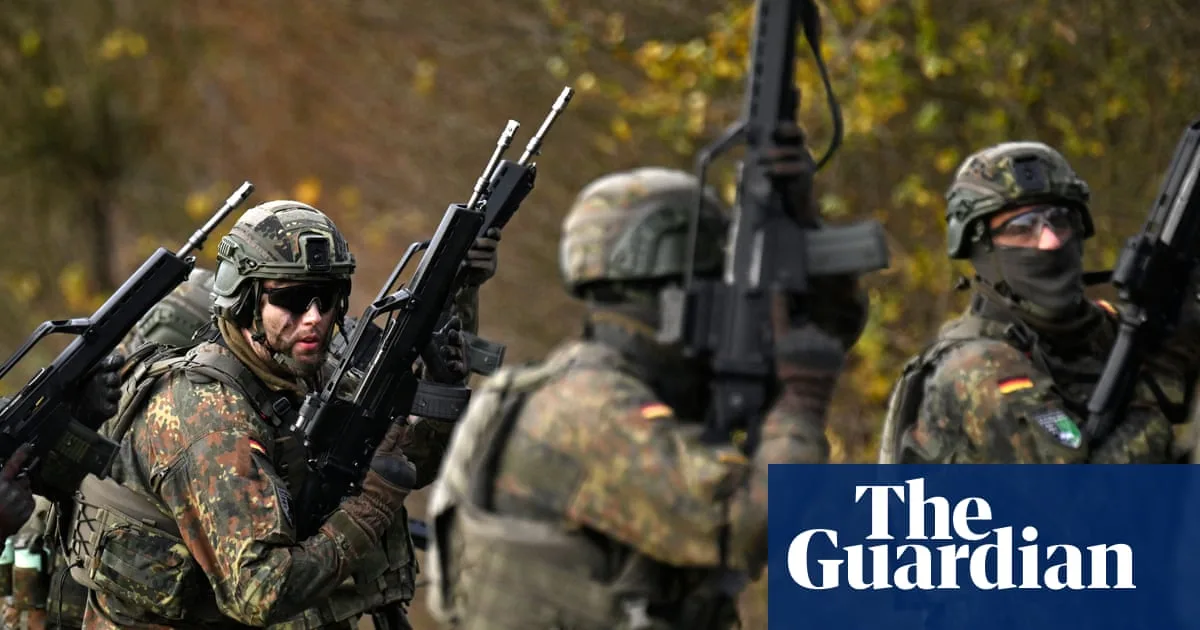
Nearly 6,000 young men in Germany have applied for conscientious objector status in the first half of 2026, exceeding the total for all of last year and complicating efforts to rebuild the armed forces.
Figures released by the federal office of family affairs and civil society functions show 5,862 applications were received by 30 June, compared with 3,879 in 2025 and 2,249 in 2024. Of those submitted this year, 2,667 had been granted by the end of May, against 2,830 approvals for the whole of last year.
The increase follows the introduction of a "conscription lite" policy in January, which requires all men aged 18 to complete a form indicating their readiness to serve and undergo a medical examination. Women are encouraged to volunteer but are not obliged to participate. The scheme was introduced by defence minister Boris Pistorius of the Social Democrats.
The co-ruling conservative Christian Union parties (CDU/CSU) have said conscription, suspended since 2011, could be resumed if the goal of 260,000 active volunteer soldiers by 2035 is not met. Germany currently has about 186,000 active soldiers. The rise in applications has been attributed to the new policy and to concerns about potential deployments in security hotspots such as the Strait of Hormuz and a peacekeeping operation in postwar Ukraine.
Meanwhile, the number of people waiving previously granted objector status is also rising, with 233 doing so in the first quarter of 2026, after 781 in all of 2025. Those granted conscientious objector status could be called up for civilian duties in a security emergency. Thousands of young people have held protests and school strikes against the policy, accusing the government of turning them into "cannon fodder", although polls indicate broader public support for rearmament.




