European Nations Split Over Proposal for Separate Joint Army
Countries across Europe are deeply divided on plans to establish a separate joint European army, with NATO Secretary-General Mark Rutte firmly dismissing calls for such a force. The debate highlights stark contrasts in defence strategies among member states, particularly between Portugal and Spain, as uncertainties over US commitments under President Donald Trump fuel discussions on European security autonomy.
Portugal's Firm Rejection of a European Army
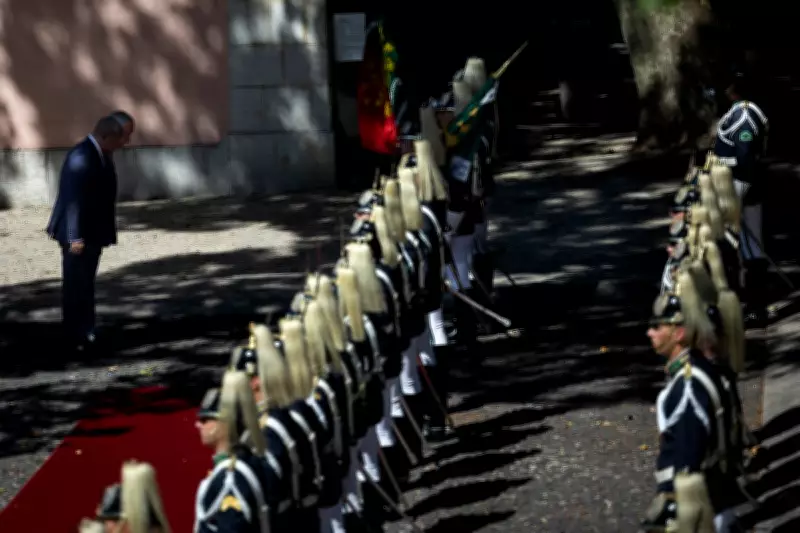
Portugal has unequivocally rejected the notion of a standalone European army, with Defence Minister Nuno Melo stating on Tuesday that the country, as a founding NATO member, highly values the United States as a fundamental transatlantic partner. In a parliamentary committee hearing, Melo emphasised, "We're not in favour of a single European army," adding that Portugal must invest in its military to ensure it can fulfil assigned missions within NATO. This position underscores Portugal's commitment to the existing alliance framework rather than pursuing an independent European defence structure.
Spain's Advocacy for a Joint European Force
In contrast, Spain has urged the European Union to move towards creating a separate joint army as a deterrent, particularly amid growing doubts over US President Donald Trump's commitment to Europe's security. Madrid's stance reflects concerns about potential US troop withdrawals and a desire for greater European self-reliance in defence matters. However, Spain has indicated it could meet its defence commitments by spending 2.1 per cent of GDP, below the 5 per cent target agreed by other NATO countries for 2035.

NATO Chief Mark Rutte's Cost Concerns
NATO Secretary-General Mark Rutte has dismissed calls for a European army, arguing it would impose significantly higher costs on member states compared to the 5 per cent of GDP spending target set by NATO countries, excluding Spain, for 2035. Rutte highlighted that such a move could strain defence budgets and undermine collective security efforts. During a meeting with President Trump at the White House, Rutte noted that allies were initially slow to provide assistance but are now offering substantial support on basing and logistics, reinforcing the value of NATO's existing framework.
Defence Spending and Modernisation Efforts
Portugal has increased its defence spending under NATO criteria to 6.12 billion euros, or 2 per cent of GDP, in 2025, achieving this target four years ahead of schedule. In 2024, spending was approximately 4.5 billion euros, or 1.58 per cent of GDP. Similarly, Spain reached its 2 per cent GDP target last year, with spending at 33.5 billion euros, marking a 44.5 per cent increase from 2024. Portugal has applied for 5.8 billion euros in low-cost EU loans through the Security Action for Europe (SAFE) initiative, a 150-billion-euro EU programme aimed at reinforcing defence capabilities, closing critical gaps, and jointly procuring equipment. This includes new frigates, armoured vehicles, satellites, and drones, with delivery expected by 2030 if all proceeds as planned.
US Troop Withdrawal Deliberations
On Thursday, President Donald Trump discussed with his advisers the option of removing some US troops from Europe, according to a senior White House official. These internal deliberations follow Trump's discontent with NATO allies' perceived lack of action in securing the Strait of Hormuz and the failure of his plans to acquire Greenland from Denmark. This development adds urgency to the European army debate, as nations weigh the implications of reduced US military presence on the continent's security landscape.
The ongoing split over a European army underscores broader tensions within the EU and NATO, with Portugal and Spain representing opposing views on defence integration. As countries navigate these challenges, the focus remains on balancing national interests with collective security needs in an increasingly uncertain geopolitical environment.