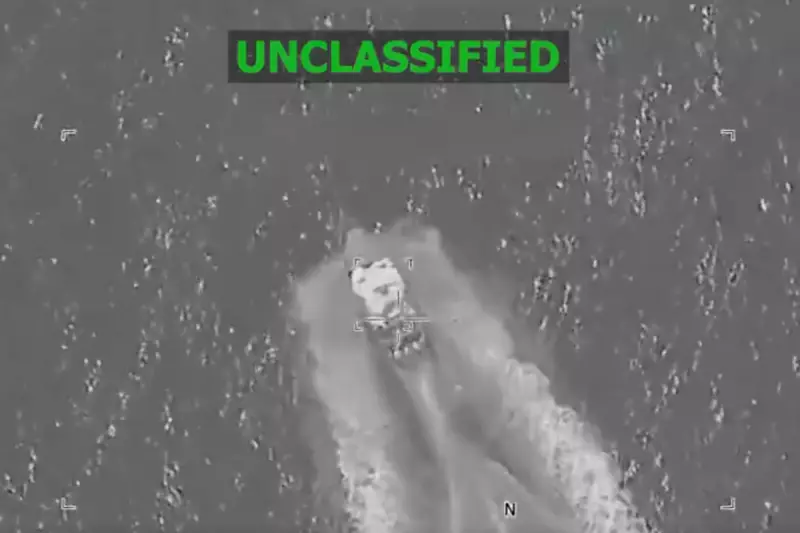
A recent US military operation in the eastern Pacific Ocean has resulted in the deaths of at least eight individuals, marking a significant escalation in Washington's maritime campaign against drug trafficking. The strike, which targeted three vessels allegedly involved in narco-trafficking, was ordered by US official Pete Hegseth.
Details of the Pacific Confrontation
The incident occurred along known drug smuggling routes, with the US Southern Command justifying the action as a necessary measure against narco-trafficking networks. This latest attack brings the total number of fatalities from similar US operations in recent weeks to a staggering 95. The move comes amidst a broader strategic shift, following the previous Trump administration's designation of the synthetic opioid fentanyl as a 'weapon of mass destruction'. This classification is seen as a potential lever to broaden military powers in the region, particularly as tensions with Venezuela continue to simmer.
Mounting Political and Legal Backlash
The aggressive tactic has sparked fierce criticism both domestically and internationally. In the United States, prominent lawmakers, including Senate Minority Leader Chuck Schumer, have condemned the strikes. Schumer labelled the actions as 'rogue and reckless' and joined calls for greater transparency and accountability from the current administration.

Parallel concerns have been raised by United Nations officials and independent legal experts. They argue that such military actions against non-state actors on the high seas could constitute 'extrajudicial killings', bypassing international legal norms. Some experts have gone further, suggesting Pete Hegseth could face accusations of 'war crimes' for authorising the deadly strikes.
Implications for Regional Security
The escalating campaign represents a hardening US approach to combating the flow of illicit drugs, primarily towards North America. By employing military force against suspected 'narco-terrorist' boats, the US is testing the boundaries of its authority in international waters. The situation is further complicated by the geopolitical friction with Venezuela, a nation often cited by US officials as a hub for drug trafficking operations. This confluence of anti-narcotics policy and military strategy sets a precarious precedent for future engagements in the Pacific and Caribbean theatres.
As the body count rises, the debate intensifies over the proportionality and legality of using lethal force in the so-called 'war on drugs'. The international community watches closely, awaiting the US administration's response to the growing demands for justification and a clear legal framework governing these controversial operations.