
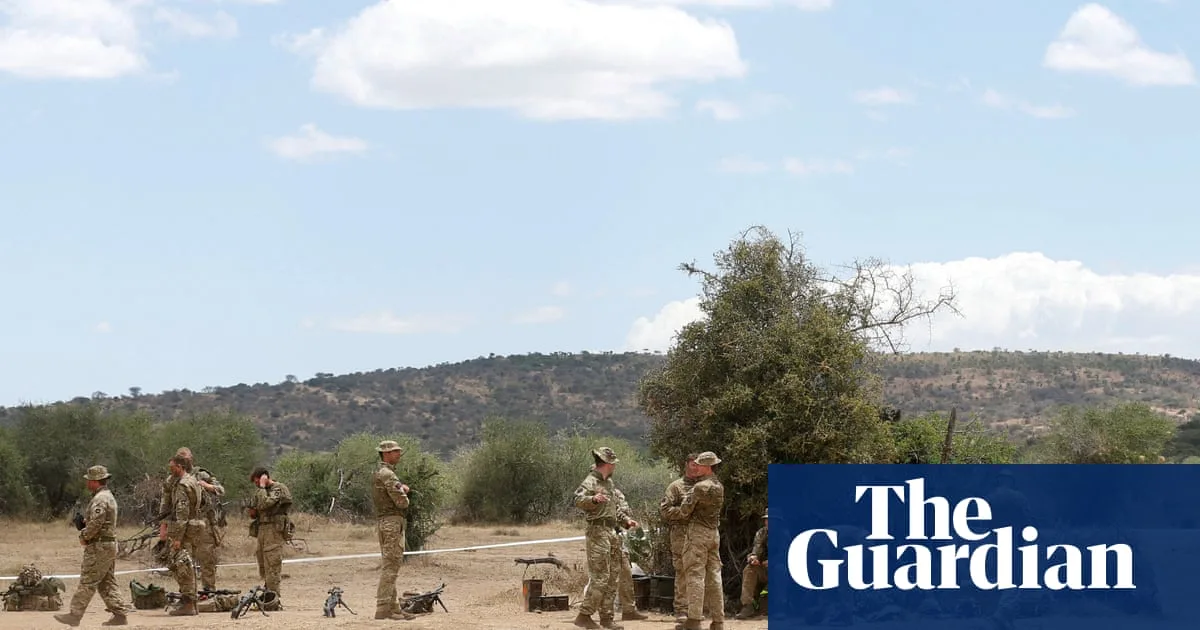
A Kenyan parliamentary inquiry has accused British soldiers stationed at a military base near Nanyuki of human rights violations, sexual abuse, and environmental destruction. The report, by the departmental committee on defence, intelligence and foreign relations, gathered testimony from affected civilians, community leaders, and civil society organisations in Laikipia and Samburu counties.
The inquiry, chaired by MP Nelson Koech, uncovered a pattern of sexual misconduct by personnel from the British Army Training Unit in Kenya (Batuk), including rape, assault, and abandonment of children fathered by soldiers. It noted that survivors often faced dropped or mishandled cases, and an internal Batuk inquiry from 2003 to 2004 dismissed most rape complaints as false without publishing findings.
The report also highlighted the killing of Agnes Wanjiru, whose body was found in a septic tank in 2012 after she had been drinking with British soldiers. It alleged undue interference and obstruction in the investigation by Batuk personnel. A former British soldier has been arrested and denies the charge, with extradition proceedings underway.
Other allegations include the shooting of a herder named Tilam Leresh by a Batuk officer, injuries from unexploded ordnance, and deliberate frightening of livestock by military aircraft. The committee received extensive evidence of environmental degradation from military exercises, including bushfires, disruption of wildlife habitats, and a 2021 fire that engulfed over 10,000 acres.
The inquiry recommended a visiting forces code of conduct with zero tolerance for sexual violence, a survivor liaison unit for legal aid, mechanisms for child support accountability, and a taskforce to investigate crimes by foreign military personnel. Batuk declined to appear before the committee, citing diplomatic immunity.




