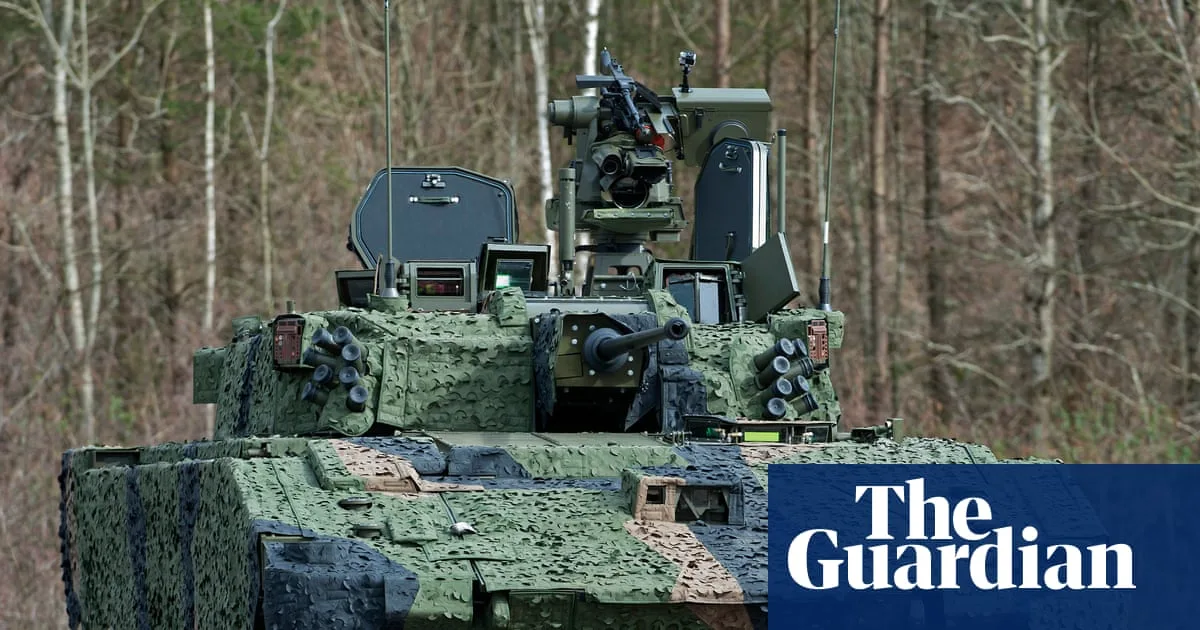
British Army's Ajax Programme Faces Scrapping After £4bn Investment Fails to Deliver Working Vehicles
British Army's £4bn Ajax vehicles face scrapping

The British Army's flagship Ajax armoured vehicle programme stands on the brink of collapse after years of technical failures and a staggering £4 billion investment that has failed to produce a single operational vehicle, The Independent can reveal.

A Troubled Procurement Saga

Originally conceived as the future backbone of the Army's reconnaissance capabilities, the Ajax programme has been plagued by persistent problems that have rendered the vehicles unsafe for troops. Military sources confirm that vibration and noise issues remain so severe that soldiers cannot travel in them for extended periods without risk of injury.

Despite nearly a decade of development and substantial taxpayer investment, not one of the 589 planned vehicles has entered full operational service. The Ministry of Defence now faces the embarrassing prospect of cancelling the programme entirely, raising serious questions about defence procurement processes.

Safety Concerns and Technical Failures

Internal assessments have identified multiple critical flaws in the Ajax vehicles:

  • Extreme vibration levels causing potential long-term injury to crew members
  • Unacceptable noise levels exceeding safety thresholds and damaging hearing
  • Persistent technical faults affecting mobility and combat systems
  • Failed safety tests preventing deployment in training or combat scenarios

An Army source disclosed: "The vehicles simply aren't fit for purpose. We cannot in good conscience send our soldiers out in equipment that might injure them before they even reach the battlefield."

Financial and Strategic Implications

The potential scrapping of the Ajax programme represents one of the most significant military procurement failures in recent British history. With £4 billion already spent and contractual obligations potentially requiring additional payments for cancellation, the financial impact could extend well beyond the initial investment.

Defence analysts warn that the Army's capability gap continues to widen, leaving Britain's reconnaissance forces relying on aging equipment that urgently requires replacement. The ongoing delays have forced military planners to reconsider the Army's future structure and operational capabilities.

Political Fallout and Future Options

The Defence Secretary faces mounting pressure to make a final decision on the programme's future. Options under consideration include:

  1. Complete cancellation and writing off the substantial investment
  2. Further attempts to rectify the technical issues with manufacturer General Dynamics
  3. Seeking alternative vehicles from other suppliers or allied nations
  4. A hybrid approach combining limited Ajax use with other vehicle types

Whitehall insiders suggest that senior officials are increasingly leaning toward cutting losses rather than pouring additional resources into what many consider a fundamentally flawed design.

The ongoing saga of the Ajax programme highlights systemic challenges in British defence procurement and raises urgent questions about how such substantial projects can be better managed to deliver effective equipment for Britain's armed forces.




