War Detectives Uncover Identities of Fallen Soldiers
Ahead of Remembrance Sunday, the Ministry of Defence has revealed the successful identification of 52 British and Commonwealth personnel who fell during the First and Second World Wars. This poignant work, carried out by the MOD's Joint Casualty and Compassionate Centre (JCCC), also led to the rediscovery and proper burial of a further 33 soldiers who remain unnamed.
Using a combination of meticulous historical research and cutting-edge DNA analysis, the so-called war detectives have been able to put names to the remains of servicemen who have lain in anonymity for decades. This year, they have facilitated funeral and rededication services for a total of 85 individuals.
The Faces of the Fallen: From Teenage Trooper to Career Soldier
Among those now identified are men from the British Army, Royal Marines, and Royal Air Force. Their stories span the breadth of the conflicts.
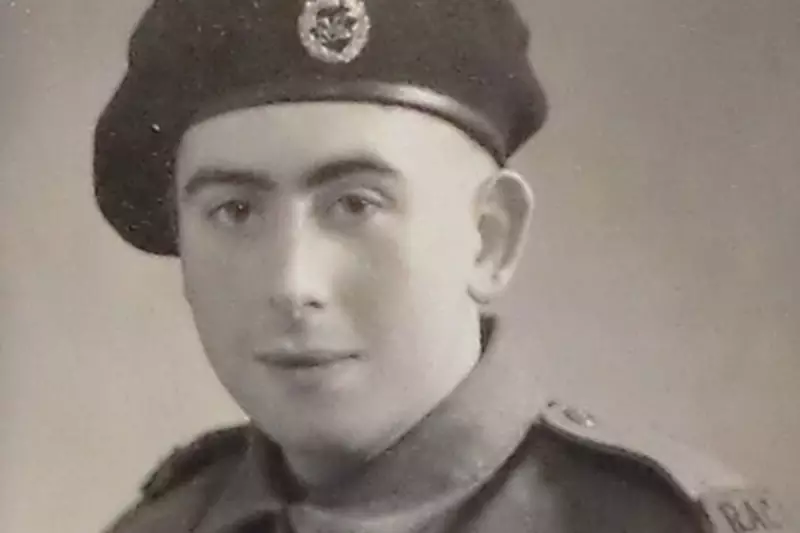
The youngest casualty given back his name is Trooper Francis Dominic. He was merely 19 years old when he was killed in action in Normandy in August 1944.
At the other end of the spectrum was Serjeant Henry Ashton, a 44-year-old career soldier and former railway worker from Derby. He died in Lens, France, in 1917. The investigation covered a wide temporal range, with 74 men having fought in the First World War and 11 in the Second.
Rededication Services in Belgium Honour the Brave
To honour these rediscovered heroes, a series of rededication services are scheduled at the St Symphorien Military Cemetery in Mons, Belgium, on November 12 and 13.
A particularly significant service will be held for Serjeant William Augustus Fritz of the 4th Battalion, The Royal Fusiliers. Sgt Fritz was killed on November 13, 1914, in one of the first actions of the First World War. His battalion was attacked by German forces north of Mons, sustaining around 150 casualties. He was 34 years old and left behind a wife and children who never learned his fate.
Other services will honour Lieutenant Norman Frederick Hunter, Serjeant George Goodson Moore DCM, and Private George Hall, all killed in the First World War.
A Privilege to Bring Stories to a Close
Rosemary Barron, a commemorations case worker for the JCCC, expressed the profound significance of this work. She stated, "It is a privilege to be able to do the work we do and bring these soldiers' stories to a fitting conclusion."
She added that as the nation pauses to remember, it is a poignant time to rededicate the graves of these brave men, all of whom left families mourning without answers.
Defence minister Lord Coaker emphasised the lasting importance of this effort, noting that the work of the MoD's war detectives is vital for keeping the memory of our fallen heroes alive and inspiring today's armed forces.
This extensive project was a collaborative effort involving the armed forces, the National Army Museum, and the Commonwealth War Graves Commission.