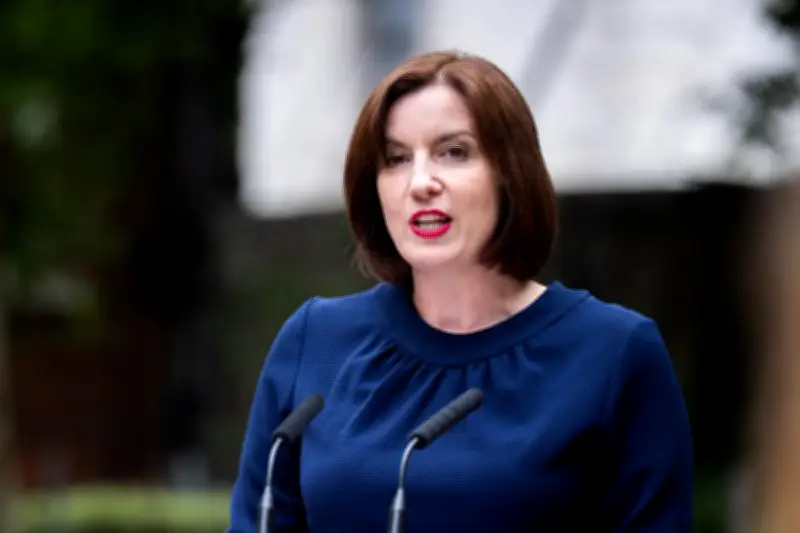
Survivors of forced adoption will receive a "full apology on behalf of the state," Education Secretary Bridget Phillipson has announced. An estimated 185,000 children were taken from unmarried mothers and adopted between 1949 and 1976 in England and Wales.
Apology Announcement
Ms Phillipson described the historical practice as a "shameful period" in the country's history. Speaking to the Education Committee on Wednesday, she said: "I know that you and the committee will want to hear that this Government will very soon be making a full apology on behalf of the state to all of those affected by historic forced adoption in England. The Prime Minister will have more to say on this shameful period in our history, reflecting the gravity of what has happened. But here and now, let me say to all of those affected, you will get the apology that you so profoundly deserve."
Background and Previous Calls
Administrations in Cardiff and Holyrood have previously apologised to those impacted, but campaigners have long sought an apology from the Westminster Government. The committee had previously called for a formal, unqualified apology as a step towards providing survivors with "peace."

Previous Government Response
In 2022, a report by the UK Government's Joint Committee on Human Rights (JCHR) recommended ministers apologise to unmarried women who were "railroaded" into unwanted adoptions. However, in 2023, the then-Conservative government expressed regret "on behalf of society" but deemed a formal apology inappropriate "since the state did not actively support these practices." The JCHR described the lack of apology as "disappointing."
Wider Period and Recommendations
Earlier this year, education minister Josh MacAlister acknowledged the state's role, noting that the practice "went on for decades, forcibly removing children from these women in homes that were sometimes run by the state, enabled and overseen by social workers employed by the state." A March report from the committee urged that an apology cover a wider period, as evidence showed forced adoptions occurred before 1949 and after the Adoption Act 1976. The report also called for improved access to records and trauma-informed support, but stopped short of recommending financial redress. Instead, it urged the Government to assess how other countries handled the issue, particularly redress mechanisms in Australia, Northern Ireland, and the Republic of Ireland.