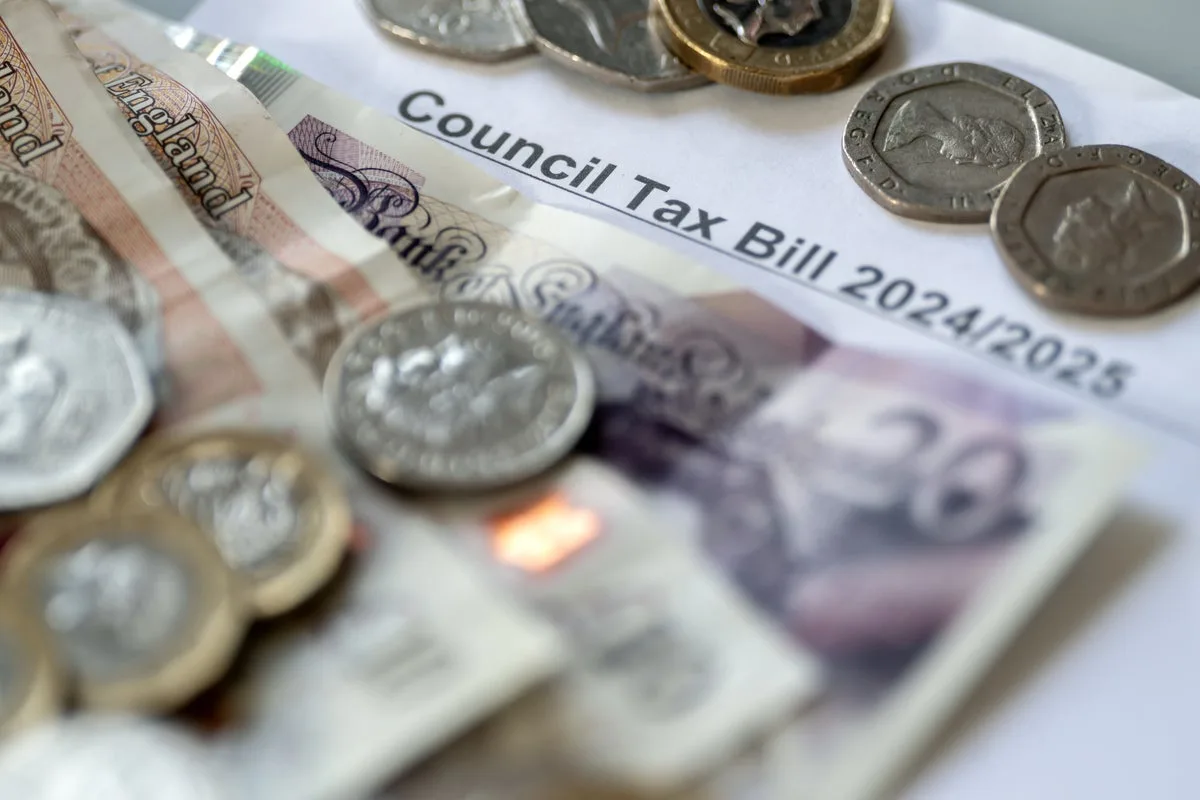
Six councils in and around London have been authorised to increase council tax by more than five per cent for two years without holding a residents' referendum. The move follows the government's decision to reallocate funding towards more deprived areas in England.
The affected authorities are Kensington and Chelsea, Westminster, Wandsworth, Hammersmith and Fulham, the City of London, and Windsor and Maidenhead. These councils currently have some of the lowest council tax rates in the country but face significant reductions in government funding under the new settlement.
Local government minister Alison McGovern told the Commons that the exemption would “improve fairness” because taxpayers in those areas pay up to £1,280 less than the average council taxpayer. She said it would allow the government to allocate more than £250 million more fairly, rather than subsidising bills for half a million households.

The Institute for Fiscal Studies estimates that Wandsworth and Westminster would need to raise council tax by as much as 75 per cent to balance their budgets after the reforms. The government’s multi-year funding settlement gives English councils almost £78 billion for essential services next year, with a 23 per cent increase in core spending power by 2028-29. The most deprived ten per cent of councils will see a 24 per cent per head boost.
Shadow local government secretary Sir James Cleverly accused the government of punishing councils that keep council tax low while moving funding to “badly-run Labour councils”. The Conservatives argue the changes will force affected councils to cut services or raise taxes significantly.