

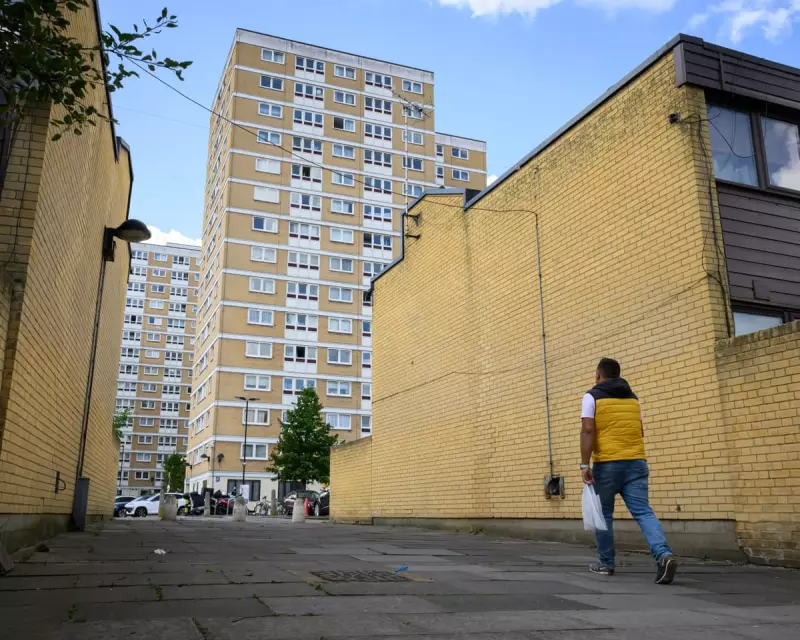
The government has unveiled a new three-year funding settlement for local authorities in England, marking a significant shift in resources towards some of the country's most deprived urban areas. The deal, announced by Housing and Communities Secretary Steve Reed, is designed to prioritise councils with high social needs, often at the expense of more affluent areas in the leafy south-east.
Winners and Losers in the Funding Shake-Up
Under the new "fairer" system, major urban centres including Manchester, Birmingham, Luton, Bradford, Coventry, and Derby are set to receive substantial increases in their spending power. Several outer London boroughs, such as Haringey and Enfield, are also among the significant beneficiaries. Ministers have framed the redistribution as a move to "restore pride and opportunity in left-behind places" after a decade of austerity cuts.
Steve Reed stated the settlement presents "a chance to turn the page on a decade of cuts," allowing local leaders to reinvest in essential services like libraries, youth clubs, street cleaning, and community hubs.

Backlash from Councils North and South
However, the announcement has been met with criticism from both ends of the political and geographical spectrum. Some northern and midlands urban councils expressed disappointment, arguing that London's suburbs emerged as the "biggest winners". Sir Stephen Houghton, chair of the Special Interest Group of Municipal Authorities, criticised the use of housing costs as a key deprivation measure, which he said leaves many of the most-deprived communities facing further cuts.
Conversely, leaders of county councils in the home counties and rural areas have labelled the settlement as unfair, claiming it disproportionately favours urban authorities. The County Councils Network accused ministers of "cherrypicking" and warned the deal could push many of its member councils into deeper financial trouble.
Council Tax Rises and Reform's Dilemma
The settlement includes notable provisions for council tax. A group of wealthy central London authorities with low tax rates and high reserves—Wandsworth, Westminster, Kensington and Chelsea, the City of London, and the Royal Borough of Windsor and Maidenhead—will be permitted to raise council tax above the standard 4.99% cap from April to offset grant losses.
The deal also presents a political challenge for several Reform-led councils. In Kent, leader Linden Kemkaran has expressed a desire to avoid full council tax rises to demonstrate Reform's governing competence. However, internal papers from other Reform-led authorities like Durham and Warwickshire suggest that lower tax rises would necessitate millions in further service cuts, potentially risking the councils' viability.
Unresolved Issues and Future Crisis
Despite the three-year plan, the settlement is unlikely to fully resolve the ongoing crisis in local government finance. An increasing number of councils are expected to seek special financial assistance from ministers this year to balance their books. Crucially, the announcement provided little detail on how the government will tackle the £14 billion forecast deficit in special educational needs (SEND) services by 2028.
The final deal followed months of negotiation and a late formula change that considered London's high housing costs and child poverty concentrations, a move that reduced the capital's losses but angered some in Labour's northern heartlands. As councils now digest their allocations, the fundamental tension between need, political ambition, and financial sustainability remains starkly unresolved.






