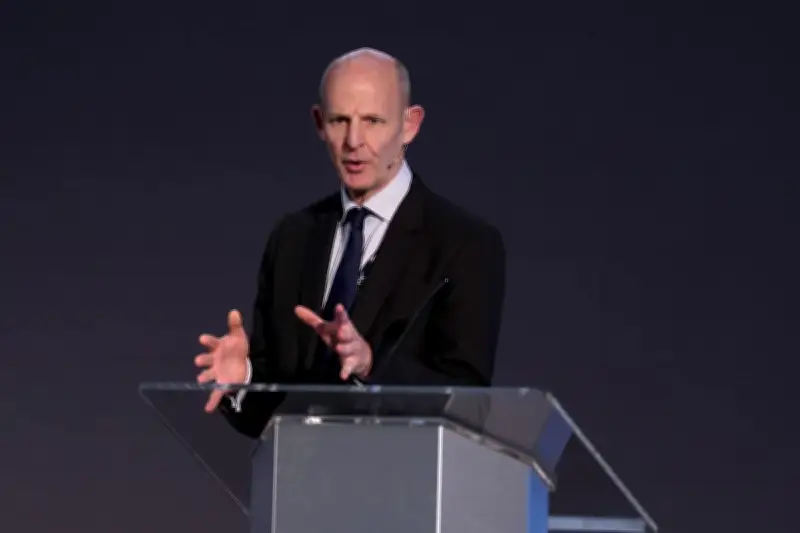
The UK national armaments director, Rupert Pearce, has cautioned that cutting funds from Whitehall departments to support the delayed defence investment plan (Dip) would be a "zero sum game". Speaking before the Lords International and Defence Committee, Mr Pearce described the delay in publishing the Dip as "regrettable", but warned that reducing expenditure in areas such as energy or transport investment "could come back to haunt us in defence".
Zero Sum Game Warning
Mr Pearce stated: "If you can’t borrow and you won’t tax, it becomes a zero sum game when, for defence to get more money someone else must lose, and that’s a very difficult decision to make politically." He emphasised that the UK's resources are measured as a percentage of growth, and undermining growth investments in other ministries could ultimately harm defence capabilities. "I’m a firm believer that one of the best forms of deterrence is a strong economy, so we need to think of this holistically as well," he added.
Political Context
New Defence Secretary Dan Jarvis has pledged to secure necessary funding for the armed forces, following the resignation of his predecessor John Healey over the issue. Mr Healey and armed forces minister Al Carns stepped down, arguing that the proposed funding for the Dip was "well short of what’s required".

Urgency of Defence Spending
Mr Pearce highlighted the pressing need to boost defence spending as a percentage of GDP, citing "enormous intensity at the front end of the plan". He noted: "The Dip is a big challenge in an environment where money is in short supply, we can’t grow our way economically out of this, and that’s the constraint." The delay in publishing the Dip, he suggested, could affect the UK's reputation with industry and allies. "I think it goes to reputation with industry, with our allies – everybody is waiting for this to come out," he said.
Time Running Out
Mr Pearce stressed that the need to increase defence spending is urgent, with limited time to enhance military capability in response to threats. "The biggest issue I face is I’m very conscious we don’t have a lot of time to transform our armed forces," he explained. "They are, to some extent, hollowed out. They need to be grown, regrown." He added that a complete transformation of capabilities is required to be ready for potential conflict by 2030, and every day without resources is a lost day.
Prime Minister Sir Keir Starmer has not ruled out tax hikes to fund defence spending. Reports indicate that the Prime Minister and Chancellor are advocating for a £15 billion package, far less than the £28 billion over four years that defence officials have requested. The government's defence investment plan is expected to be published before the Nato summit in Turkey on July 7, after being repeatedly delayed since last autumn.