
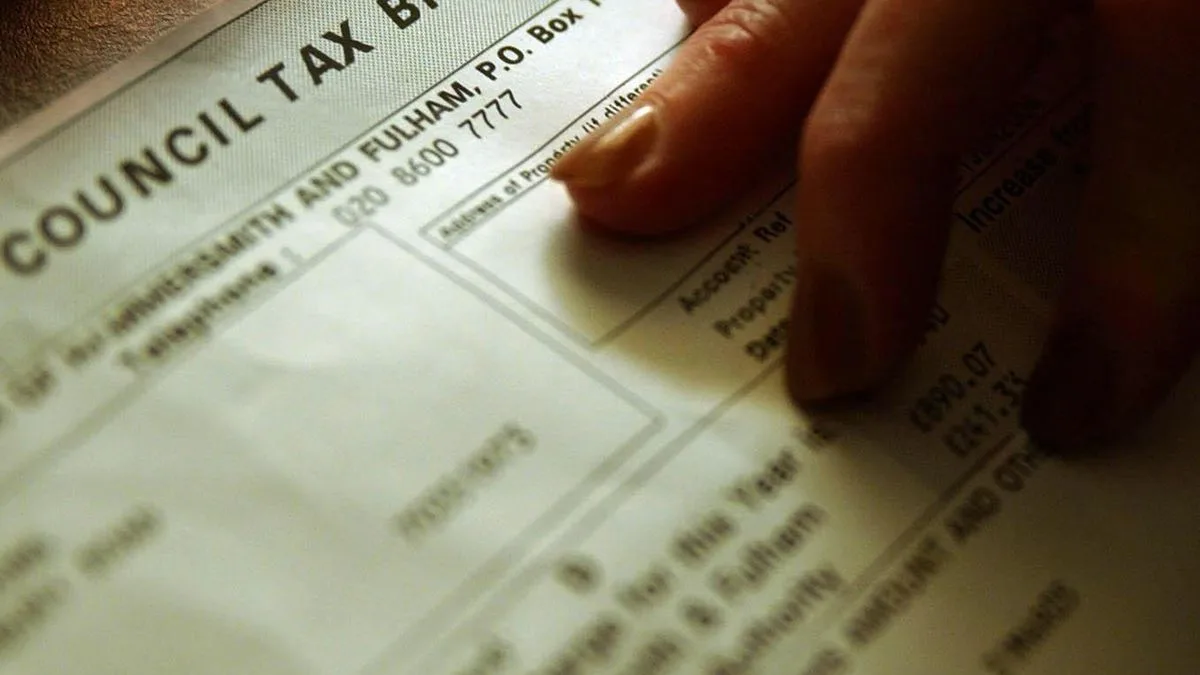
Thirty families who challenged their council tax bills last year ended up paying more after the Valuation Office Agency (VOA) ruled they had been undercharged. The cases emerged amid a wider review of council tax bands, with thousands of households appealing their bands in hopes of reducing their bills.
New figures show the VOA decided 35,370 cases in England and Wales last year. Of these, 10,120 were successful, resulting in lower bands and reduced bills. However, 30 households saw their bills increase after it was found they were paying too little. The VOA did not disclose precise locations, but cases were recorded in Nottingham, Crawley, Tower Hamlets, York, Exeter, and Bristol.
The success rate varied widely, from 56% in Wrexham and Knowsley to just 8% in Stoke-on-Trent, Barnsley, and Tameside. Most appeals resulted in no change to the band. The data excludes challenges related to new builds, demolitions, or property conversions.
In March, the government announced an average council tax increase of 5.1%, pushing the average band D bill to £1,671. Some households saw rises of up to £86. A previous case in 2015 saw an entire street in Hull upgraded from band A to band B after one resident complained their bill was higher than neighbours', costing each household an extra £160 a year.
Residents can still reduce their bills through discounts, such as 25% off for single occupants or those living with students or carers. Paying by direct debit may also offer discounts. Those struggling to pay should contact their council immediately, as many have hardship funds available.




