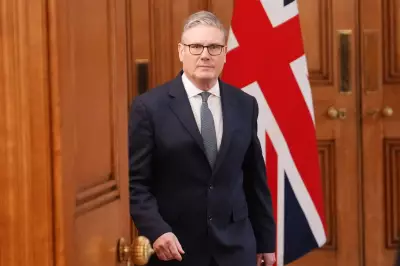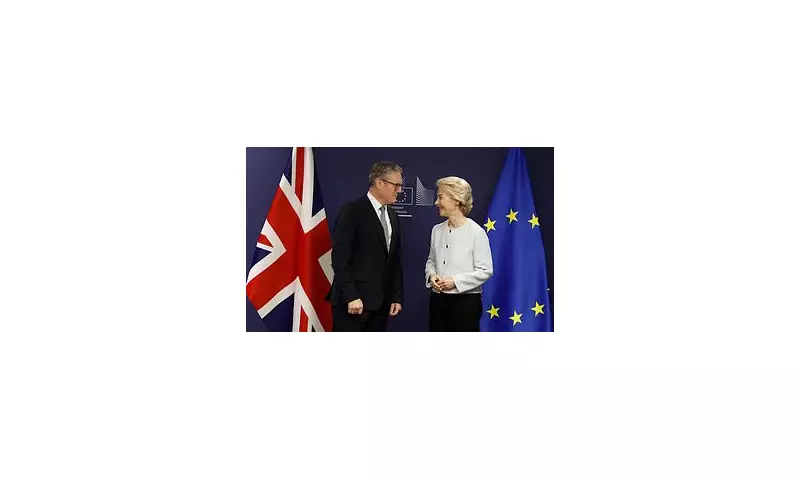
Prime Minister Keir Starmer is pursuing a significant reset of the UK's relationship with the European Union, a move that could see Britain hand over substantial sums to Brussels in exchange for improved access to the single market. This policy shift comes amid considerable pressure from pro-European Labour MPs and ministers who argue that closer alignment will boost the UK economy.
The Price of Proximity: Budget Contributions and Rule-Taking
According to sources in Brussels, the Labour government's ambition for a deeper partnership will come at a significant cost. The EU's firm position is that the UK must 'pay to play' if it wishes to dismantle more trade barriers. Diplomats speaking to the Financial Times have outlined the bloc's red lines, which include the UK adhering to EU regulations and making financial contributions to the EU budget.
Legislation expected as early as next month could formally commit Britain to EU standards on food safety, animal welfare, and pesticide use. While this has been presented as implementing a deal agreed last year, Sir Keir has signalled his desire to go further. However, he has explicitly ruled out fully rejoining the single market or the customs union.
Erasmus Return Sets a Costly Precedent
The financial stakes of this new approach are already becoming clear. Before Christmas, the government confirmed it is paying £570 million to rejoin the Erasmus+ student exchange programme. This annual fee is double the amount Boris Johnson rejected as too expensive in 2021.
Worryingly for the Treasury, Brussels has indicated that a previous 30% 'discount' offered will not be repeated. This means the future annual cost could soar to approximately £810 million. The deal also expands eligibility, meaning students from associate members like Turkey will be able to come to the UK from 2027, with the EU aiming to include nations such as Egypt, Algeria, and Morocco.
EU Fatigue and Domestic Pressure
Sir Keir's push faces challenges on multiple fronts. Within the EU, officials question whether there is any appetite for another major renegotiation. 'Brussels is now preoccupied with the Ukraine war, European rearmament and internal negotiations over the next budget cycle,' one official stated, adding that the bandwidth for UK talks that might have existed in July 2024 has now gone.
Domestically, the Prime Minister sparked controversy over the weekend by telling the BBC he was exploring better single market access. 'I think we should get closer and if it's in our national interest to have even closer alignment with the single market, then we should consider that,' he said. Critics fear this stance, driven by a need to bolster his leadership, will force him into making ever-greater concessions.
Further proposals from the EU could include a youth mobility scheme, potentially leading to increased numbers of young Europeans coming to work in the UK. As the government navigates this complex reset, the core dilemma remains: balancing the economic benefits of closer ties against the political and financial costs of aligning with Brussels.