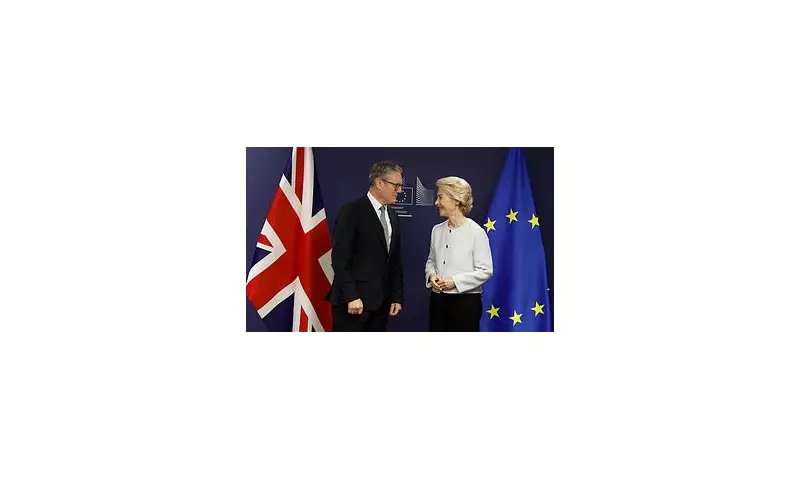
Prime Minister Keir Starmer's drive to forge closer economic ties with the European Union could see Britain hand over substantial sums to Brussels in exchange for better access to the single market. The move, described as a 'reset', is being pursued under significant pressure from pro-European Labour MPs and ministers who argue it will boost the UK economy.
The Price of Closer Alignment
Legislation expected as early as next month could commit the UK to aligning with EU regulations covering food standards, animal welfare, and pesticide use. While the government frames this as implementing a deal agreed last year, Sir Keir has signalled a desire to go further. However, he has stressed that fully rejoining the customs union or single market is not on the table.
Sources in Brussels have been unequivocal, indicating that if Labour wants to dismantle more trade barriers, the UK will have to 'pay to play'. Diplomats speaking to the Financial Times outlined the bloc's firm position, stating that enhanced access would require the UK to obey EU rules and contribute to the EU budget. One official questioned whether there is any appetite in Europe for another major renegotiation, noting that Brussels is currently preoccupied with the war in Ukraine, European rearmament, and internal budget talks.
Mounting Costs and Concessions
The financial implications are already becoming clear. Before Christmas, the government confirmed it is paying £570 million to rejoin the Erasmus+ student exchange programme. This annual sum is double what Boris Johnson rejected as too expensive in 2021. Worryingly for the Treasury, Brussels has indicated that a previous 30% 'discount' offered to the UK will not be repeated, meaning the annual cost could rise to £810 million in future years.
Furthermore, the EU is pushing for a youth mobility scheme, which could facilitate greater numbers of young people coming to work in the UK. The expanded Erasmus deal also has wider ramifications. Because Turkey is an associate member of the scheme, its students will become eligible for exchanges to the UK from 2027. Brussels has declared its intention to extend these arrangements to cover other nations, including Egypt, Algeria, and Morocco.
Leadership Pressures and Economic Gambit
Sir Keir sparked intense debate over the weekend by telling the BBC he was actively exploring better single market access. "I think we should get closer and if it's in our national interest to have even closer alignment with the single market, then we should consider that," he stated. Critics, however, fear the Prime Minister may be forced into making further concessions as he seeks ways to bolster both the economy and his political standing.
The government insists that part of the Erasmus funding will support travel for British youngsters. Nevertheless, the emerging picture is one of a costly strategic pivot. With Brussels setting firm red lines and the UK government hunting for economic growth, Starmer's EU 'reset' is poised to define his premiership and reopen fundamental questions about the UK's post-Brexit financial relationship with Europe.