
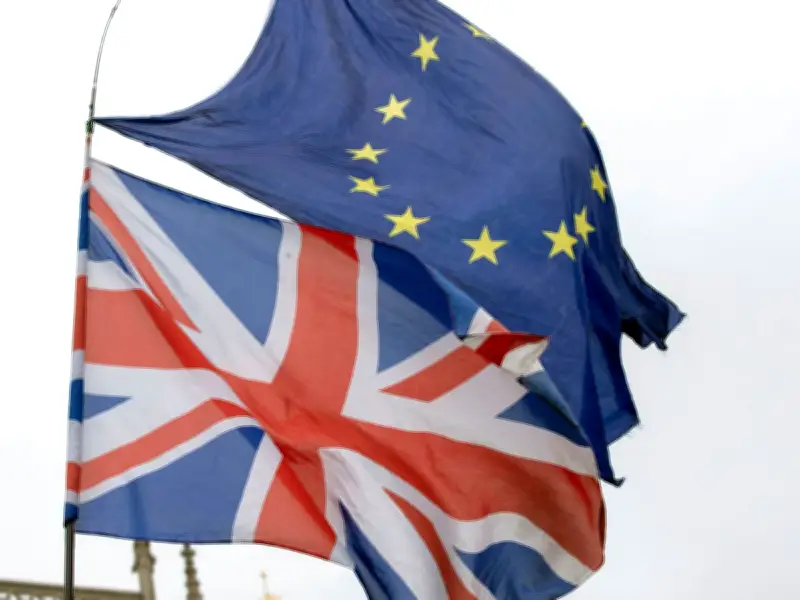
On Tuesday, June 23, it marks ten years since the UK voted to leave the EU. The 52:48 referendum result revealed a divided nation, but new polling shows a dramatic shift. More than half (53%) of the public now favour the UK becoming an EU member, with fewer than a third (32%) opposed—a gap ten times the size of the original result.
Growing Support for Rejoining
According to Naomi Smith, chief executive of Best for Britain, the organisation has tracked shifting public views over the past decade. Their research, conducted by YouGov, shows that more than three in five (62%) Brits say Brexit has been more of a failure than a success. Over half (57%) of those cite the huge damage to the economy as the primary reason.
Smith writes: "While pay fails to keep up with inflation, household goods cost £870 more a year, and there’s been a £250 increase in annual food bills." She emphasises that the impact has been felt hardest by those least able to afford it, including parents struggling to buy school shoes and families unable to take holidays.
Economic Toll
The economic consequences are stark. The UK is 8% poorer due to Brexit, with a 10% drop in the value of the pound. Almost 2 million jobs were lost by 2023 as firms struggled to export. Medicine shortages have increased, and Brexit means £90 billion in tax revenue lost every year—money that could fund the NHS, schools, and armed forces.
Smith notes: "Brexit in 2016 was an idea, not a reality. Now it is our daily reality—bleak and expensive." She contrasts the promises of Leave campaigners, including Nigel Farage, with the outcomes: less money for the NHS, less control over immigration, and fewer trade deals.
A New Fork in the Road
As the UK reaches June 23, 2026, Smith argues there is another choice: "We can choose to continue with decline, or we can choose to be ambitious. There’s another, better vision of how Britain could be." The polling suggests public opinion is increasingly aligned with that vision.




