
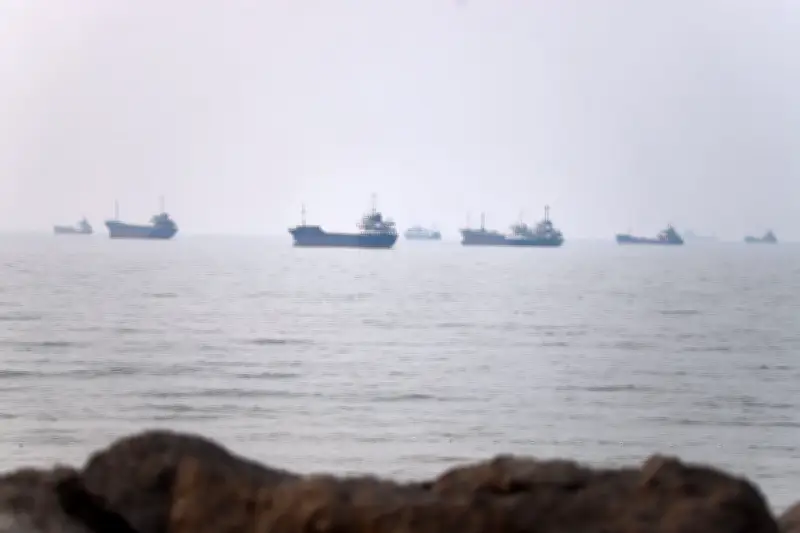
Shipping traffic through the Strait of Hormuz has fallen sharply following a fresh escalation of hostilities between the United States and Iran, according to UK-based maritime data firm Lloyd's List Intelligence. The monitoring group reported that transit by traceable vessels through the US-co-ordinated sea lane off Oman has "effectively ground to a halt" in response to the latest violent confrontation.
US Strikes Target Iranian Capabilities
President Donald Trump warned Tehran that attacks could "get much worse" after the American military carried out a second wave of strikes late on Wednesday, hitting around 90 targets aimed at degrading Iran's ability "to threaten freedom of navigation" through the narrow Gulf channel. In retaliation, Tehran fired at Bahrain, Kuwait and Qatar, all of which host US forces.
The renewed hostilities erupted on Tuesday after Iran targeted three tankers in the strait, a flashpoint in the fragile truce. Trump has declared the interim ceasefire deal with Iran over.
Impact on Global Energy Supplies
The latest trading of strikes has caused severe disruption in the waterway, a vital oil and gas supply route, and cast doubt on securing a permanent end to the conflict launched by the US and Israel on February 28. Lloyd's List posted on X: "Traffic through the Strait of Hormuz has fallen sharply following the latest escalation between the US and Iran, with traceable vessel transits through the US-co-ordinated Omani lane effectively grinding to a halt."
Political Reactions
In his latest comments, Trump insisted Iran wanted to reach an agreement "so badly," but added: "I don't know that they're going to honour the deal. That's the problem." Iranian Deputy Foreign Minister Kazem Gharibabadi countered that the president's remarks "are not a sign of power but an admission of the failure."
Prime Minister Sir Keir Starmer has urged a return to the ceasefire and warned that UK household bills would likely be hit unless the situation improves. Ending Tehran's stranglehold on the strait, which disrupted global oil and gas supplies and drove up fuel and food prices, had been a key demand in previous negotiations.
Fragile Truce and Future Uncertainty
The initial deal reached between the US and Iran only provides for safe, toll-free passage of the waterway for 60 days, pending the outcome of a final agreement on Tehran's disputed nuclear plans. The pact also leaves it to Iran and Oman, in conjunction with other Gulf states, to "define the future administration and maritime services in the Strait of Hormuz." In the meantime, Iran has continued to try to exert leverage over the channel, including demanding ships seek permission to transit and raising the spectre of future charges.




