
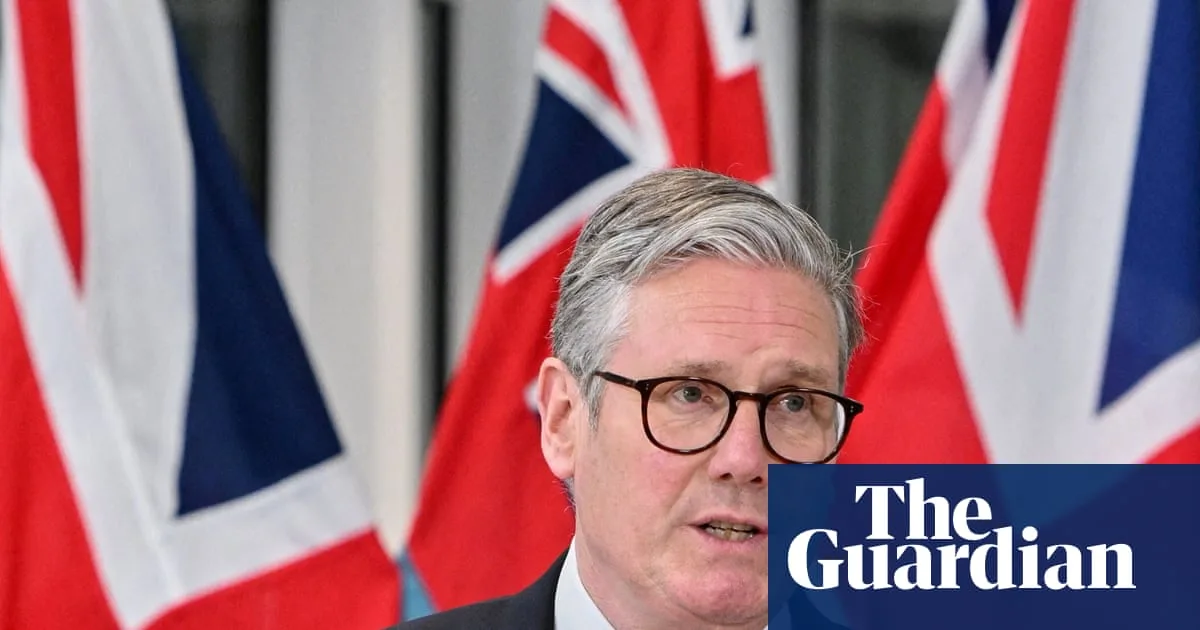
Prime Minister Keir Starmer has told parliament that the economic and security benefits of closer ties with the European Union are “simply too big to ignore”, as the government prepares to introduce a bill enabling dynamic alignment with EU rules by default. Speaking after his visit to the Gulf and amid the Iran conflict, Starmer argued that renewed ties with Europe are essential given global instability and Donald Trump’s unpredictable US administration.
The Guardian has revealed that ministers plan to use so-called Henry VIII powers to adopt changes to EU single market rules without full parliamentary scrutiny each time. The proposed bill, expected in next month’s King’s speech, would allow negotiators to align with EU rules on sectors from cars to farming via secondary legislation, which parliament can approve or reject but not amend. This could mean MPs “rubber-stamp” new deals rather than debating each one.
Starmer said lessons must be learned from shocks to the cost of living, including Brexit, Covid and the Ukraine war, and that the response “must and will be different”. He emphasised efforts to reduce energy bills and strengthen economic ties with Europe, stating: “Brexit did deep damage to the economy, and the opportunities we now have to strengthen our security and cut the cost of living are simply too big to ignore.”
The plans have drawn sharp criticism from the Conservatives and Reform UK. Shadow business secretary Andrew Griffith accused Starmer of refusing to accept the 2016 referendum result, with parliament “reduced to a spectator while Brussels sets the terms”. Reform UK leader Nigel Farage called the alignment “a total betrayal of the Brexit vote” and “a complete breach of the Labour manifesto”.
Starmer defended the move, urging opponents to “look forward now, not backwards”. He argued that a stronger relationship with Europe is in the UK’s best interest in a volatile world. The bill is expected to add billions to the economy, temper the cost of the Iran conflict, and boost productivity, according to government sources.




