
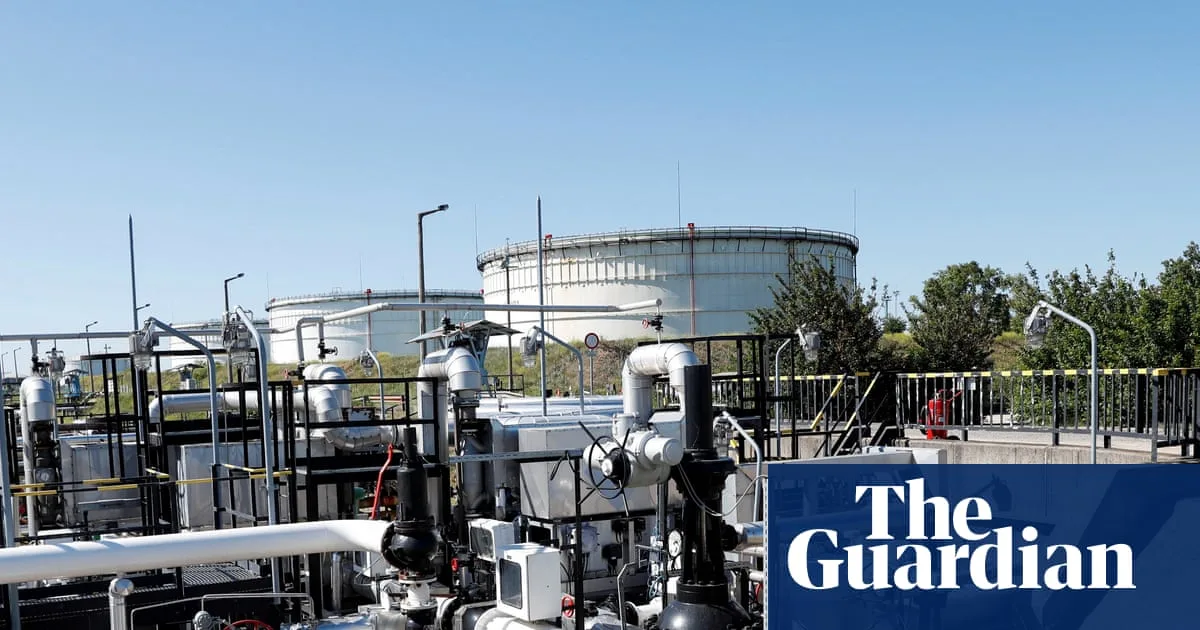
Hungarian Prime Minister Viktor Orbán has threatened to veto a €90bn ($106bn) EU loan to Ukraine unless Kyiv restores Russian oil deliveries through the Druzhba pipeline. The pipeline, which runs from Russia through Ukraine to Slovakia and Hungary, was shut down after being damaged during a Russian attack in January, according to Ukrainian authorities. Orbán stated on Facebook on Friday: 'As long as Ukraine blocks the Druzhba pipeline, Hungary will block the €90 billion Ukrainian war loan. We will not be pushed around!'
Slovakian Prime Minister Robert Fico has also expressed anger over the disruption, declaring a state of emergency over supplies and threatening retaliatory measures. Slovakian Economy Minister Denisa Sakova said Ukraine had postponed the resumption of oil deliveries until 24 February. Hungary's Foreign Minister Peter Szijjarto confirmed the country's opposition to the EU loan, accusing Ukraine of violating the EU-Ukraine Association Agreement and engaging in 'blackmail'.
Meanwhile, Ukrainian President Volodymyr Zelenskyy has insisted that Ukraine is not losing the war against Russia, claiming that its forces have liberated hundreds of square kilometres in a new counteroffensive. Speaking to Agence France-Presse ahead of the war's fourth anniversary on 24 February, Zelenskyy said: 'You can't say that we're losing the war. Honestly, we're definitely not losing it, definitely. The question is whether we will win.' He added that European troops should deploy on the frontline after any ceasefire.
In a separate development, five European military powers—Britain, France, Germany, Italy and Poland—have announced a joint programme to rapidly develop low-cost drones, reflecting the growing importance of unmanned aerial vehicles in modern warfare. The initiative, named low-cost effectors and autonomous platforms (Leap), aims to strengthen Nato cooperation and produce new systems within 12 months. UK Minister of State Luke Pollard said each member has made a 'multimillion' dollar commitment to advance the necessary technology.




