
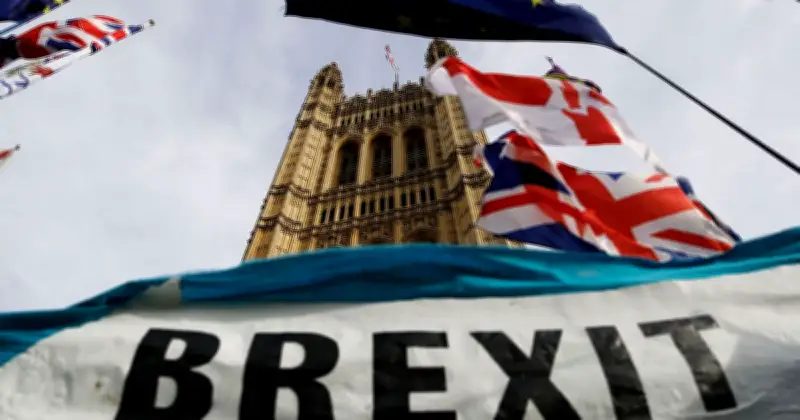
In a few days, it will officially be 10 years since the historic referendum where the United Kingdom voted to leave the European Union took place. On June 23, 2016, 51.9% of voters opted to leave the EU, while 48.1% voted to remain. However, according to a brand new report by UK in a Changing Europe, the Policy Institute and Ipsos, almost half of Brits say Brexit is going worse than they expected.
Growing Disappointment
In 2021, 28% felt Britain’s exit from the EU was working out worse than they predicted. Five years later, this has risen to 48% – for the first time greater than the share of the public who feel Brexit is going about as well or better than expected (43%). The report also found that 48% now support a second referendum in the next five years, including three in 10 (28%) who strongly support another vote. This compares to 27% who oppose one.
Economic Impact
Research from the US National Bureau of Economic Research led by economist Nicholas Bloom shows that UK GDP per head is between 6% and 8% lower than it would have been without Brexit. According to the study, this macroeconomic shortfall was driven by long-term declines across key metrics: business investment fell by 12–18%, productivity by 3–4%, and private-sector employment by 3–4%.
Timeline of Events
David Cameron called the referendum in 2016 but it wasn't until January 31, 2020, that the UK actually left the EU. Two years of complex negotiations under Theresa May then resulted in repeated rejections by the UK Parliament, leading to multiple extensions and ultimately May's resignation. Following the official exit in 2020 under Boris Johnson, the UK entered an 11-month transition period to keep trade flowing normally while both sides scrambled to write a brand new free-trade agreement, which took effect on January 1, 2021.
Historical Context
The UK's relationship to the EU has always been a complex one. The UK was often described as an "awkward partner" in Europe. Successive British governments sought to balance the significant economic advantages of membership such as access to the single market, increased trade opportunities, and cooperation with European partners with a strong desire to preserve parliamentary sovereignty and national independence. This tension was reflected in several key decisions, including the UK's choice to remain outside the euro currency and the Schengen free-movement area. Over time, disagreements over issues such as immigration, regulatory authority, and the extent of EU influence on domestic policymaking fueled growing political debate, ultimately leading to the decision to hold a referendum on the UK's membership of the European Union in 2016.




